
Natalia Camino and Maria Caamano explore latin music.
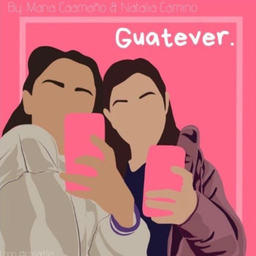
Guatever
Claim This Podcastby North by Northwestern
11 episodes
Updated Daily
Accepts GuestsHas SponsorsLocation 🇺🇸
Podcast Overview
Natalia Camino and Maria Caamano explore latin music.
Language
🇺🇲
Publishing Since
11/8/2018
1 verified contact email on file for Guatever
Pitch yourself as a guest, propose sponsorships, or reach out directly to the host.
Recent Episodes
January 26, 2022
Guatever Ep. 7: We DO Talk About Bruno
<h1>Episode Notes</h1> <p>[“Colombia, Mi Encanto,” from Encanto] Maria & Natalia: Hello! Welcome to Guatever. Maria: And Happy New Year. Natalia: Welcome to 2022. Maria: I’m Maria Caamaño. Natalia: And I’m Natalia Camino. Maria: And today we are talking about Disney’s Encanto. Natalia: We know that we usually only talk about music. But overall, we think this movie is just really important for the Latino community. And we want to talk about it. Maria: Also, the songs are really good. Natalia: Yes, also, the songs are really good. Maria: So first up, let’s discuss Encanto. For those of you who do not know, Encanto is a movie released by Disney. It takes place in Colombia. It’s one of the – possibly the third – Latino household [movie] with Kuzco from Emperor’s New Groove being the first and Coco being the second. Natalia: Yes, even though like Coco for me, obviously, it was a very important movie because it was one of the first times I could actually see my culture or my traditions represented. And like, it all felt very familiar for me. Obviously, like… Maria: That is not the complete, like… Maria & Natalia: Latino experience. Natalia: Yeah. And so I think it’s really cool that Disney is just expanding. Maria: It’s also nice to see a movie that just represents another Latin American country, but also in a sense… Natalia: …represents all Latinos. Maria: Yeah, it’s like a win for all Latinos, because I feel like the styles of some of the songs are representative of also different styles of music that all Latinos enjoy like Salsa… Natalia: And like Cumbia. Maria: Yeah, and like Latin rock. But yes. Natalia: Yeah, I think also because something – we’ll get more into this later – but something that Encanto does well is showcase… Maria: The immigrant experience in Latin America. Natalia: Yeah. Because there’s not just immigrants coming into the US. There’s also people, as Encanto showcases, that have to leave either their hometown and go into another area of that country for political reasons or any other type of reason. Maria: Well, yeah, cause in Encanto they never really say. Yeah, we’re gonna try and not spoil for anyone, also. So if you haven’t seen it, do not worry. But you will understand the main idea. Natalia: But also go watch it! Maria: It’s so good. It is so good. It’s such a good movie. I think that everyone should watch it. Like, just because I think that it does a really good job in representing not only like the immigrant experience, but – me and Nat talked about this – so it shows a lot of the fact that in Latin America, there’s not really a racial monolith. Natalia: It’s a mixture of various races. And I think this is important because there’s usually just this one Latino stereotype or this one Latina stereotype. Maria: I think that it does a good job because that’s the reality. There’s so much racial diversity in Latin America. So it does a really good job of also showcasing that I think, which is nice to see for once. Natalia: And I think it’s important. Maria: Yeah. Let's move on to the songs in the soundtrack. And we’re gonna start with “We Don’t Talk About Bruno”. [“We Don’t Talk About Bruno,” from Encanto] Maria: So this is my personal favorite of the film. I think it is so fun and it finally showcases Pepa’s side of the family – like Pepa and Félix’s side of the family. Natalia: Because like throughout the movie you don't really understand their dynamic. Maria: Yeah, but also like you don’t really get to see like Camilo or Dolores really until that point. Their voices are amazing. Like Dolores’ part is so cool. And then Camilo’s part – the raspiness of this man’s voice. I would have loved to have them have their own songs because they killed it so much in this song. But this is also the song that went viral on TikTok. Like if you haven’t heard of this song, honestly, don’t know what to tell you. Natalia: Go listen to it. Go listen to it. Maria: Literally. It’s like, it <a href="https://hiplatina.com/encanto-talk-about-bruno-spotify-hit/" rel="nofollow">went number one</a> on the charts. I think it went number one on Spotify even so, like, everyone loves the song. It’s so good. I – Yeah, I’ll make the generalization. Yes. People… Maria & Natalia: …love it. Maria: But also what me and Nat find funny is that every Latino household has that like one relative… Natalia: That you don’t talk about. Maria: So it was really funny to see that kind of like… Natalia: Like, it’s not really a trope, because no one talks about it. But yes. Do you have a relative you don’t talk about? Maria: I think that my family doesn’t have one, really. Because we talk about everyone. We’ll like say everything in front of each other. So maybe that’s why? If not, maybe, I don’t know who it would be but… you know, maybe it’s me! Natalia: What if it’s you? Natalia: But yeah. I do have one relative we don’t talk about so.. And I know other people also have relatives they don’t talk about. Maria: No, I definitely know people who like, they don’t talk about maybe like an uncle or an aunt. Or like they get invited once in a while and it gets awkward when they’re invited. Like stuff like that. Natalia: And it’s like for various reasons, obviously, usually it’s not because they cast… because they can like see the future. Maria: Obviously. I mean, everyone’s family has their own business. Everyone has their own stuff. Yeah. So moving on to the next song. Natalia: “What Else Can I Do?” [“What Else Can I Do?,” from Encanto] Natalia: Which is a great song. Maria: It is a great song. I think – when I was watching, I got really into this movie. Natalia: Yes. Maria: So I dove into Lin-Manuel’s interviews about the songs. Natalia: Also, for context. We didn’t say this earlier, but Lin-Manuel Miranda wrote… Maria: Oh, all! Natalia: All of the songs. Maria: He did the entire – I think he wrote all the songs. Natalia: The majority. Yeah. Maria: Except for maybe like… I think he didn’t – obviously – compose the songs that go in the background. But, like, I think he did most of the songs that characters sing. But yeah, so I was watching Lin-Manuel’s interviews, and he said that for “What Else Can I Do?” he really wanted to do a tribute to Latin rock. Like old time Latin rock from the ‘90s. And like… Natalia: I thought that was really cool. Maria: Yeah, I know. I knew you were gonna like that. Natalia: Yeah, because I think the history of Latin rock in Latin America is just really cool. There’s a <a href="https://www.netflix.com/search?q=latin%20rock&jbv=81006953" rel="nofollow">great documentary on Netflix</a> that everyone should watch! Maria: Oh, my God. Natalia: But I think it’s really cool that he did this because Colombia as a country played a really big role in the upbringing of Latin rock, along with various other countries such as Mexico, Argentina, and Chile. So I think it’s really cool. Maria: I also just think it’s a really cool song. Like, if you listen to it, you can definitely tell that it has those influences. Natalia: Yeah. Maria: But it doesn’t feel out of place in the film. Natalia: Yeah. Maria: ‘Cause sometimes when you play with genres, I feel like it feels really out of place. And especially in children’s movies, because you want everything to be something that can cater to children. But he did a really good job. Natalia: I think it also just juxtaposes the character very well. Maria: Oh, yeah, that’s so true. So let’s talk about Miss Isabela. She is supposed to be like the perfect one in the family. Or like, that’s what we think when you meet her. Natalia: We won’t spoil it. Maria: Exactly. So we’ll just leave it at that. She’s supposed to be very perfect. And so for them to have given her the song that’s like… Natalia: Latin rock… Maria: Was very interesting. But it makes sense, also – with the storyline. Yeah, so once you like… if you haven’t seen it, it will make more sense. Natalia: Everything will make more sense if you watch the movie. Maria: Obviously. Then we’re moving on to – so this song, this next song for me was hilarious, because… So storytime: when I saw this movie, I didn’t see it with Natalia. I saw this movie on the plane on my way back to Evanston from home for Winter Break. And I was on the plane sobbing just watching this movie. But I remember hearing this song and I just thought “Oh, no… Natalia.” Natalia: Because then we did watch the movie together when Maria got back. When we were both back from break. Maria: And I just warned her. Natalia: And she just goes, “Natalia. Just be careful with this next song.” And I go, “What do you mean?” Maria: So we’re talking about “Surface Pressure”. This song is about Luisa, who’s supposed to be like the strongest – not only like physically, but I guess… Natalia: Also emotionally. Maria: Also emotionally – in the family. And she’s kind of having a moment of vulnerability, telling her sister that all that pressure isn’t very good for her. And it kinda showcases that classic older child… Natalia: It’s like… I think something this movie does very well, and that a lot of people picked up on, is showcasing the immigrant experience. And I think like, especially this song, showcases like the oldest sibling – I guess in this case the oldest daughter. In my case, the oldest daughter. And so I think this song resonated with a lot of people. Maria: It was funny, because we were watching it in our apartment and I just looked at her. Natalia: And I was like, “What do you mean?” And they’re like, “You don’t know how to relax. You don’t know how to not stop working.” Maria: Which is true. If you know Natalia, you know that this is true. Natalia: And maybe this song did speak to me. Maria: Warning, if you are an older sibling, maybe… maybe just be careful when you watch. Natalia: Don’t watch it with your family. Don’t watch it with your family, and you'll be fine. Maria: Oh, my God. [“Surface Pressure,” from Encanto] Natalia: Kind of also with the trauma of the immigrant experience is that idea… I think, like why there’s so much pressure sometimes on like the oldest immigrant sibling is because it’s the idea that usually the parents or the grandparents sacrificed a lot or had a big sacrifice in order to migrate. And so they have to make it worth it. And so I think that’s like one reason why Luisa probably – or the entire family – feels so much pressure to appease Abuelita is because she’s sacrificed so much that they have to make it worth it. And so then with the song “Dos Oruguitas”... Maria: So “Dos Oruguitas” is this song where it kind of like, after some stuff goes down, explains the background of Abuelita, who’s the matriarch of the family. And it kind of breaks down what she went through and being forced out of her home. As we said, we’re not trying to give spoilers so that’s the only thing I’ll say. And it kind of like taps into what Nat was saying, like the trauma of being displaced from your home and having to like, I guess, like build everything from… Natalia: …scratch. Maria: Yeah. Natalia: Yeah. So I think like, overall the movie or – even I saw this on Tik Tok a lot – like it really spoke to a lot of immigrants and people who have gone through that immigrant experience. And like that it showcases the Latino immigrant experience in a way that like the family dynamics sometimes are not talked about because it’s so – they’re so accepted. Maria: I think it’s just normalized. Natalia: Yes. Maria: Like the expectations for everyone in a family. But also just talking about “Dos Oruguitas” in general, this is one of the only songs other than like “Colombia, Mi Encanto” that’s in Spanish. And it is… Natalia: It is a… Maria: It is… Natalia: A sentimental song. Maria: It is tragic. It is so sad. I – Natalia does not cry. And I heard her going sniffle sniffle the entirety of “Dos Oruguitas.” And then I just look at her and I just go, “Are you crying?” And she just goes, “Yes.” Natalia: Okay, I don’t show emotions, but that doesn’t mean I’m heartless. Maria: It’s such a sad song. I feel like no one can get through that one and not cry. Natalia: For people who don’t know, “Dos Oruguitas” means two caterpillars. Maria: Yeah. Natalia: And so the song slowly transforms and at the end like it’s supposed to show growth. Maria: Yeah. So like they turn into butterflies. Natalia: Yes, like a metaphor. [“Dos Oruguitas,” from Encanto] Maria: If you should take anything away from this episode, it’s that you should go watch Encanto. If you haven’t, it’s such a good movie. Natalia: It has an amazing soundtrack. It talks about the Latino experience, it showcases Latinos in an… Maria: It has amazing actors! Natalia: Amazing actors. It showcases Latinos in a non-stereotypical way. Maria: So true, man. Natalia: And overall, you should just go watch it. Maria: Yes. You know what, honestly, one of the things that I just realized is that there’s not any like stereotypical Latino character in this movie. Natalia: Because you think – Wait, we didn’t talk about this. But, the love interest of Isabela throughout the movie is voiced by… Maria & Natalia: Maluma. Natalia: But Maluma does not sing. He literally has like three lines. Maria: First of all, why would they not give Maluma…? He’s literally a singer. And they did not give him a singing part. But it’s okay. Because it makes sense. I wouldn’t want his character to sing. Natalia: Yes. Maria: He’s terrible. He’s like the Latino lover, I guess. Natalia: Yeah, he’s the Latino like stereotype. But then he ends up like… Maria: Not. Natalia: And like you think that Isabela is also going to kind of feed into that stereotype. Maria: They don’t embody any of those stereotypes. And like, none of the characters are what they seem. They have so much more depth to them. Natalia: Because usually with Latino characters, when they play like a supportive role, they’re very flat characters whose entire personality’s either 1) they’re Latino, 2) they can cook or 3) they’re attractive. So like for this one, there’s so much like – there’s so much more to them and their relationships are so much deeper. Maria: Yeah. Natalia: It was just very refreshing. We’ll end with this. Maria: Who’s your favorite character? Natalia: I think Bruno’s the funniest and I like that. He’s funny. Maria: My favorite other than Bruno is Camilo. That moment when he’s looking for Mirabel and he accidentally turns into a baby is hilarious to me. He’s just funny. Natalia: But yes, I just think the fact that he says, “Sana, sana colita de rana” is funny. It reminds me of my dad. Maria: So, thank you so much for tuning into this episode. Natalia: We know it's a little bit different from what we usually do. Maria: But we wanted to… we wanted to come into the new year with something new! 2022! Our podcast is about to turn two years old this year, which is… Maria & Natalia: Crazy. Maria: Um, but yes! Thank you so much for tuning in. We hope you like this episode, and we will be bringing you much more content in the year of 2022. Natalia: Please let us know your thoughts and if you have anything you’d like us to talk about. Maria: Yes, just message us. We always say this but just find us on social media. Natalia: Also because we are running out of ideas. Maria: This has been Maria Caamaño. Natalia: And Natalia Camino. Maria: For NBN Audio. [“Colombia, Mi Encanto,” from Encanto]</p> <p>This podcast is powered by <a href="https://pinecast.com" rel="nofollow">Pinecast</a>.</p>
November 23, 2021
Guatever Ep. 6: "MALAMENTE"
<h1>Episode Notes</h1> <p>[“MALAMENTE,” by Rosalía] Maria & Natalia: Hi! Natalia: Welcome to “Guatever.” Maria: I'm Maria Caamaño. Natalia: And I'm Natalia Camino. Maria: And today we are talking about something that's… Natalia: A little controversial. Maria: A little bit spicy! Natalia: But we have very strong opinions. Maria: Yes, very...I think strong is the right word. Natalia: Right? Look at me with my adjectives. Maria: This has been kind of like...honestly, I think that it's received enough attention, but I… Natalia: It still doesn’t have a lot of attention. Maria: Yeah, exactly. So, if y'all didn't know, on September 12th of this year, the VMAs took place. And one of the categories that was in there is “Best Latin Song”. So, the nominees for this category were Shakira and the Black Eyed Peas’ “Girl Like Me,” Maluma’s “Hawái,” Karol G’s “Bichota,” J. Balvin, Dua Lipa, Bad Bunny, and Tainy’s “Un Dia,” and Bad Bunny and Jhay Cortez’s “Dákiti.” And of course… Natalia and Maria: Billie Eilish and Rosalía. Maria: For, I don't even know the song. Natalia: I don't even know the song Maria: Literally. For “Lo Vas A Olvidar.” Natalia: And so what's interesting about this predicament in a sense is that, keep in mind this is the best Latin song... Maria: Yes. Natalia: And one of the song nominations includes no Latin artists. Maria: Literally. So naturally, that was the song that won. Natalia: Yes. I think...So we want to dive deeper into Rosalía and kind of like what she represents within the Latin music industry of the appropriation of Latin culture by Spanish. And so I think it's gotten to the point where we mentioned Rosalía and we’re...like some of our friends were confused. Maria: No, yeah, literally. Natalia: Because they're like, “Oh, I thought she was Latina.” And we're like, “No, like, she's not.” Maria: She's really not. Natalia: She's from Spain, which makes her Hispanic, but not Latina. Maria: Exactly. Natalia: But she has appropriated the culture to a certain point... Maria: That’s just unacceptable. Honestly, me and Nat have – we've tried to record this episode probably like four times. Natalia: Yeah. Maria: And honestly, it never sat right with us because we thought, “Oh, people are gonna think that we're trying to cancel her...that we're trying to make it like a huge thing.” It's really not. Natalia: We just want to bring awareness to this. Maria: And like, have accountability. Because honestly, like, I love her music. Natalia: No, like “MALAMENTE” was one of my most listened to albums. If you haven't listened to it... Maria: It's beautiful. Natalia: It's beautiful. Maria: But enjoying an artist’s music does not excuse their unacceptable behavior. Natalia: And we felt like we could talk about this because many times like some publications or like certain people, either one, shouldn't be talking and giving their opinion about this, based on their own identity. Or two, don't understand the complexity of it fully. Maria: Exactly. So we'll break it down a little bit. As Nat said, Rosalía was born in Barcelona, which is in Spain – if you did not know. Which essentially makes her Hispanic. A lot of people don't understand the difference between Hispanic and Latinx. So Hispanic means Spanish speaking. So it essentially includes Spain and any other Spanish speaking country, even if it's not in Latin America. Natalia: And then in regards to Latinx or Latiné or Latino/Latina – that's an entire other argument and story – but that includes Latin American countries, including countries that don't speak Spanish, such as Brazil, Haiti. Maria: Yeah. Natalia: There are a few others. But yeah, that's the distinct difference. Maria: Yes. And so I think that a lot of the time people have...they don't understand the difference between it and I especially think that we've been seeing that with her getting so many nominations for the Latin category. Natalia: Yeah. Maria: Which is also like, honestly, like me and Nat have talked about this. It's complex because they obviously can't make an entire category just for Spanish people when it comes to like, let's say this is the MTV VMA’s for like the US let’s say. It differs when it comes to like the Latin Grammys, but… Natalia: It's a complex issue that doesn't necessarily have a solution and one, like Rosalía does produce good music, and she deserves recognition. But just the way in which the Academy or like the music industry operates, it in a way undermines the hard work of Latinos/Latinas. And because of this, we feel like it's problematic. Maria: Yeah. So, essentially, as we've already said, Billie and Rosalía won the Best Latin award for their song “Lo Vas A Olvidar,” which first of all, none of them are Latin, so why were they nominated? First of all. Second of all, this song did not deserve to win anyways. Natalia: In comparison to the other songs nominated, Rosalía and Billie Eilish’s song barely ranked, I believe. And even if it did, it was not a huge success. Maria: No, like I genuinely when I see it every time I'm like – I've heard it but it wasn't something that I added to a playlist. Natalia: Meanwhile, like “Dákiti” by Bad Bunny – all these songs charted so high. Maria: Yeah! <a href="https://www.billboard.com/pro/maluma-hawai-hits-top-10-on-hot-latin-songs-chart/" rel="nofollow">Maluma’s “Hawái” charted super high…</a> Natalia: “Un Día”! Maria: <a href="https://www.billboard.com/pro/j-balvin-dua-lipa-bad-bunny-tainy-hot-latin-songs-un-dia-one-day/" rel="nofollow">“Un Día” charted super high!</a> <a href="https://www.billboard.com/pro/bad-bunny-jhay-cortez-number-one-global-charts/" rel="nofollow">“Dákiti” was a huge success</a>. Like, it doesn't make sense that they won, literally. Natalia: Also, because the other songs are a lot more representative of Latin music, I think. Maria: Oh, definitely. Natalia: Yeah. Maria: So, another reason why me and Nat talk a lot about the Rosalía issue is because she loves to say that she's Latina. Natalia: She made this entire <a href="https://www.tiktok.com/@rosalia/video/6960713356516920582?is_copy_url=0&is_from_webapp=v1&sender_device=pc&sender_web_id=7026108891256014342" rel="nofollow">TikTok</a>, where it's like the audio. Maria: Oh, yeah! “I'm an island girl...” Natalia and Maria: “Me no speak-y English!” Natalia: As if she is either Dominican or Puerto Rican. Maria: Yeah. Natalia: And that's like, what she meant through the audio. And so like, even if you just read the comments, it's very polarized… Maria: We can read some of them if you want. Natalia: Yeah. Maria: Some of the comments on this TikTok are...People said, “Colonizer vibes,” “Spaniards when they colonized Latin America: Only espanish!” Everyone was arguing, like fighting. Yeah, cause people were like, “Why are you so pressed? Like she can say...she can do whatever she wants!” Natalia: And I think this is even like a debate within the Latin community. It's just like, to what extent? Maria: Yeah, like, I didn't get annoyed that much at like the TikTok. I – the thing that and Nat knows – this really made me mad. Um, Billboard has this series, called “Growing up Latino.” And they did <a href="https://www.billboard.com/music/latin/rosalia-growing-up-latino-video-8495717/" rel="nofollow">an episode on Rosalía</a>. And it was like, she was like, she says she feels 100% Latina because she feels at home in countries like Panama and Mexico. And people make her feel so nice. And like, okay? Natalia: It's one thing to like – obviously, she should feel welcomed in these countries, but another thing is to self identify. Maria: Yes. I don't want to say that like she's not... Natalia: Like discredited the challenges she… Maria: She's faced because like, obviously, it's hard to make it in the US music industry just... Natalia: In general. Maria: Like, as someone who's international in general. But I still think that like – me and Nat have talked about this. There's a lot of Latino talent that deserves, also, recognition. Maria: Yeah. And she’s taking up those spaces, like by adding her into these categories and by continuing like – this isn't the first time she's gotten like a Latin VMA. Natalia: No, and like in 2019, like the <a href="https://www.grammy.com/grammys/news/2019-latin-grammy-awards-complete-nominees-and-winners-list" rel="nofollow">Latin Grammys</a>... Maria: Oh, yeah! Natalia: She swept, which... Maria: Literally! Natalia: To the point where other Latino artists… Maria: Boycotted! Natalia: <a href="https://www.insider.com/reggaeton-artists-are-boycotting-the-latin-grammys-for-whitewashing-2019-10" rel="nofollow">Boycotted</a>. Like J. Balvin, who was like… Maria: Maluma. Natalia: Maluma. Natalia: Like, I think Daddy Yankee even said something about it. Maria: Yeah, I think so. Natalia: And so like, these giant names within the industry… Maria: Were mad because it's true. Natalia: These spaces were created for Latinos, and are being taken up by people who are not Latino. Maria: Exactly. And also, like, it's super annoying that she keeps getting placed in the urban category. Like the urban music category. And like, I wouldn’t say that she makes urban music. Natalia: It's similar to like – for like a more American reference – Tyler the Creator being placed within the rap category. Like a lot of people were mad about that. I think it was in 2020 when this happened, and even he was like, <a href="https://www.cnn.com/2020/01/27/entertainment/tyler-the-creator-grammys-intl-scli/index.html" rel="nofollow">“I'm in this category because I'm black, not because of the music I produce.”</a> But for Rosalía, she keeps being placed in the urban category, which is a predominantly like… Maria: A lot of urban music comes from Afro-Latino roots. Natalia: And for a Spanish person, someone from Spain, to be nominated within those categories and taking up that space. Maria: Yeah, that just doesn’t sit right with me. Natalia: That’s problematic. Maria: And it's like, me and Nat have said it over and over. This is not to discredit her. Natalia: No. Maria: She’s made really good music, and like she's a great performer. Natalia: I mean these past songs? Possibly... Maria and Natalia: Hmm. Maria: But wait, here's the thing though. I think that her songs have decreased in value because she's trying to replicate what she sees people like getting...like being successful in reggaeton. And like she's trying to get into dembow now! Natalia: So Rosalía is classically trained in flamenco and the beauty of her music is the way in which she fuses these like traditional flamenco sounds with a more modern take. And her, I think, even moving away from that in a sense is like...like her music has, in a way, not been as good. Or not as original. Like, her music isn't original anymore. Maria: No, like, it just sounds really basic to me now. Honestly, like, even if we discard the entire thing about her identity, I just genuinely think that she shouldn't be getting awards if her music is also just not that good anymore. Like, I'm sorry, but like it's just not that good anymore. Natalia: Maria and I have discussed this for a couple of years now, actually. Maria: Yeah, it's been years actually. Natalia: And it's honestly just like – it's a continuous problem going on within the industry. And obviously, like, we don't really have a means to solve it. But we do think it's important to bring light to these types of situations that are always kind of like swept under the rug. Natalia: Her winning and being nominated is a representation of a bigger problem. Yeah, I think that needs to be discussed more. And obviously, like, this is like, we're only really touching the surface of this situation. Natalia: <a href="https://people.com/music/rauw-alejandro-and-rosalia-make-relationship-instagram-official/" rel="nofollow">She also stole Rauw Alejandro</a>! Maria: She also stole Rauw! That one me and Natalia will never be okay with. Natalia: That's where a lot of people were like this is the line. Maria: Yes, she...That's it. That's where I draw the line. Good for her. Natalia: Get it, I guess. Maria: Good for her. I mean, but... Natalia: Not our man! Maria: Damn, that one hurt me! Oh, no. Yeah. Um, obviously, me and Nat are not experts. We are not scholars! This is just our opinion. Natalia: And our observations. Maria: Yes. And definitely, we can't solve anything. We have no type of power in the music industry. We are just two measly college students making a podcast. Natalia: But yes, if you obviously have different opinions, we're happy to hear it. And like, I think everyone has a different perspective on this. And there's a lot of debate. Maria: Yes. Natalia: Even within the Latino community. Maria: Yeah. Cause I feel like there are some people who are like, and I'm not – this isn't in any way accusing – there are people who are willing to be like, “That's okay.” Some people – I mean, we're not going to get into this debate because this is a huge debate. And I don't think that also me and Nat have a say in what is cultural appropriation and what is cultural appreciation. That's a whole nother debate that we won't get into. Natalia: And obviously, the lines are blurred in many cases. Maria: Exactly. So it's like, we can't decide what's right or wrong. We can just talk about what doesn't sit right with us. But we can at least talk about the music industry, because I do think that that is indicative of a whole nother problem. Natalia: A bigger problem. Yeah, but yes, thank you for listening. Maria: This was a little bit more serious than we usually do. Hmm. Natalia: Let us know what you think. Maria: Yes. Natalia: Leave your thoughts in the comments. Maria: I–Is this gonna be a recurring thing now? Natalia: Yes! Maria: No, but yeah. Thank you so much for tuning in. And yeah, if you guys have any comments, or would like to have a discussion about this... Natalia: Let us know! Maria: Reach out to me or Nat. Natalia: And thank you so much for listening. Maria: Thank you so much. This has been Maria Caamaño. Natalia: And Natalia Camino. Maria: For NBN Audio. [“MALAMENTE,” by Rosalía]</p> <p>This podcast is powered by <a href="https://pinecast.com" rel="nofollow">Pinecast</a>.</p>
November 11, 2021
Guatever Ep. 5: Frijoles vs Habichuelas
<h1>Episode Notes</h1> <p>[This episode was recorded during Latinx Heritage Month back in the month of October.] [“Volví,” by Aventura and Bad Bunny] Maria & Natalia: Hi! Welcome to “Guatever.” Maria: A year later! Natalia: I'm Natalia Camino. Maria: And I'm Maria Caamaño. Natalia: And we're back. Maria: Yes, after a year. Natalia: This is going to be our re-introduction... Maria: Rebranding! Natalia: Rebrand! Rebrand! Season Two. Maria: Yes, we are back. So, life update. Um... Natalia: We've changed a lot since the last release of an episode. Maria: Yeah. And, um, I mean, me and Nat went through COVID. We went through living together again, but this time it felt like prison? Natalia: For context...So last year, Maria and I were in a dorm together, but because of COVID that is where we slept… Maria: We had breakfast. We had classes. We had lunch...everything. Natalia: We had dance class in there. Keep in mind, this is in the same confinement. And we saw a total of two other people that entire six month period. Maria: I still don't know how 1) we found things to talk about. Natalia: We always found things to talk about. For six months. Maria: I don't know how. Natalia: Nothing was happening in our lives. Maria: Literally nothing. Nothing. And also, I don't know how Nat and I just stayed friends. Truly a miracle because I don't think anyone could go through that and, like, not drive each other crazy. Natalia: This can be seen in the increased amount of divorce rates during the pandemic. Maria: I-What? Natalia: Did you not know that? Maria: Yes! Natalia: But we didn't get divorced. Maria: Okay. Natalia: We did not break up. But yes, Maria and I did not break up. We're still roommates. We’re still friends. Maria: Yes, very much. So for kind of like the start, or kind of like our reintroduction, we wanted to do a special edition episode for Latinx Heritage Month. Natalia: Yeah. In case you didn't know Hispanic Heritage Month starts on September 15th. And this date is significant because it's the independence of many countries in Latin America, including Costa Rica, El Salvador, Guatemala, Honduras and Nicaragua. Then, on the 16th, Mexico and Chile celebrate their Independence Day. Maria: Yes. Natalia: And I made Maria watch El Grito with me. Maria: Yes. Natalia: On the eve of the 16th. Maria: But yeah, because we wanted to get into Latinx Heritage Month, me and Natalia were talking about this. And in the nature of how our podcast started, whenever she and I start talking about something continuously, we just decide to set the microphone on and start talking. So... Natalia: This is an ongoing debate. Maria: Yes, it has been going on since freshman year. We've had fights. We've threatened each other with physical fights over this. Do you remember that? Natalia: Um, Maria brings this up when we meet other Latinos, and she's like, “I need to ask.” Maria: Yeah. Natalia: It's for scientific research. Maria: So the big question today is: is it frijoles or habichuelas? Natalia: Both translate to “beans” in English. Maria: Oh, yeah. Natalia: For our non-Spanish speakers out there. Maria: Yes. Natalia: We're talking about the word for beans. Maria: Yes. I feel like beans is like the...I guess like if you were to say the “Latino food” that like all of the countries share. I feel like it has to be beans, right? Natalia: It’s rice and beans. Maria: Yes. Natalia: Both very good. Maria: I love it. So much. So much. I miss it so much. Natalia: You just need to learn how to cook it. Maria: STOP! Natalia: They sell beans here. And rice! Maria: I know! But I'm terrible at cooking. Natalia: I know. You're learning, though. Maria: But um, essentially… Natalia: Maria wanted to introduce this debate and have us debate it on air, per se. Is that the correct term? Maria: Yes. Natalia: Okay. Maria: It's not because of that. It's because I don't think that there is anything more Latinx than Latinos fighting each other on which of the countries is right. Okay. So the countries that say habichuelas are Caribbean Spanish-speaking countries, such as Cuba, Puerto Rico, and – where I'm from – which is the Dominican Republic. So yeah, so South America and Central America mostly refer to it as... Natalia and Maria: frijoles. Natalia: But yeah.... Maria: I’m outnumbered here, but I have a valid argument. Natalia: Okay. No, I think you...For context. I went to..In one of our few episodes from freshman year... Maria: Natalia was...This is a sad, tragic story. Natalia was about to leave for Spring Break to the DR with me. I think like… Natalia: Literally a week! Maria: Literally a week before COVID shut everything down. So, we were all like excited. Natalia had learned the lingo...she was practicing her slang! And then… Natalia: Because there's a lot of Dominican slang. Maria: Yeah. And then like the week that COVID got [our plans] shut down she told me that she wasn't coming, which was obviously a great idea. But at the moment, we didn't know how long COVID was about to be… Natalia: Yeah. Maria: So, like, we both just started crying. It was very sad. But... Natalia: I did end up going though! Maria: Yes. Ever since then though, it was like we were planning for it, and then Nat came this summer and finally understood. Natalia: Yes. But the way this fits into the habichuelas versus frijoles argument is that I was like ordering food and at one point, I was like, “Oh, yeah. And could I have some frijoles?” And the person just looked at me. Maria: Silence. Natalia: Silence. It's like the embodiment of the eye mouth eye emoji. Maria: Yes. Natalia: And then I was like, “Oh, perdon. Habichuelas.” [Translation: “Sorry. Beans.”] Maria: Also for more context, me and Nat feel the need to debate things constantly because we were both MUN kids. Natalia: I was Model UN President. Maria: I was Vice President. Natalia: Miss Harry Potter Club President also. Maria: I was the president of the Harry Potter Club in middle school. Natalia: What is it? You're the number one ranking person for Harry Potter trivia? Maria: Yeah, I like reached the number one person in the Harry Potter category in the Dominican Republic on QuizUp. I don't know if you remember that app? Natalia: Yes. Maria: I don't know. I feel like – obviously, I am not the reigning champion right now. But I reached it! I was number one for like a solid amount of time. Natalia: What do you mean a solid amount of time? Maria: I don't know, for like a month maybe? I don't remember! But it's still one of my achievements. If I could put it on my resume, I would. Resume: Harry Potter President, eighth grade. Natalia: And then under awards and, like, honors… Maria: Number one! Natalia: Out of...National champ! Maria: No, but yeah. So, because Nat and I are MUN kids, we ended up talking about this, said “Let's set up a debate.” It's a quick one because obviously none of us are going to win. Natalia: Would you like to start? Maria: Yes. Yes, I do. I would like to start. My argument for habichuelas is that, first of all, I think it sounds prettier. Two... Natalia: I disagree. Maria: I- That's a you thing. That's a you opinion. Natalia: Okay, well, considering it is the Spanish who invented Spanish. They call it frijoles. The correct word is frijoles. Maria: I don't know! If you see us on campus, tell us your thoughts. Natalia: We’ll keep track. We’ll keep track. Maria: Yes. Okay, so Latin American slang just does not make any sense. Natalia: No. Now for a more controversial take. Maria: Everyone in Latin America, honestly, has a different word for straw. Natalia: Yeah, like each country and even different regions within the country sometimes. Maria: Yeah, it's like the most difficult one, I think. Natalia: But no one knows the origins of any of them really. Maria: Mine’s the weirdest one. We’re the ones that strayed the furthest away from everyone. You go first, because mine's the one that's the most controversial. Natalia: So in Mexico, or at least the area I grew up in, It's called popote. Maria: In DR, it's called calimete. Which, honestly, I will never understand where it came from. Because all of the Latin American countries have like sorbete, popote, pajita – things like that. But then like us it’s just calimete. Natalia: None of them fully make sense. Maria: I don't know why it sounds so right in my brain. Natalia: No, popote sounds right. Maria: Here's the thing. Popote sounds like poop to me. Natalia: But it fits the item. It feels like the right word for a straw. Maria: I will disagree. I will say that a lot of people call...I think that sorbete is the one that – to my ears – I'm like, that's not the one I say, but that's the one that I'm like, “it makes sense.” Like sorbete because you sorber through it. [Translation: “because you sip through it.”] Natalia: Oh, I guess that one does make a little more sense. Maria: That one makes sense. But then like, um... Natalia: But also! Unrelated – well, related –but straw in English also doesn't make sense. Like, is it supposed to look like a [straw]? Maria: I don't know. Natalia: Hmm. Maria: That one’s also a weird one. Natalia: Question all reality. Maria: Not us going into etymology! Natalia: Econ degree where? But yes, that is all. Maria: Is it all? Natalia: No, there are a lot more words we can get into. Maria: Yes, but... Natalia: Let us know in the comments what word you want us to debate next. Um, but yes, this was our intro episode. Maria: Clearly… Natalia: We have lost it a little. Maria: A little bit. But we will be getting back into our regularly scheduled programming. We do have new episodes coming up soon. We just really wanted to do something for Latinx Heritage Month. Natalia: More lighthearted. Maria: Yes. And something that also, like, me and Nat always are talking about music, but not everyone listens to music that's Latin music. Not all Latinos listen to Latin music, so we wanted to do something that was just in general for the Latinx community here. Natalia: Yeah. Be on the lookout for episodes. Or don't. But, thank you for listening. Maria: Yes! We do appreciate the people who listen to it. Natalia: We do appreciate it. Maria: So thank you so much for listening to this episode of Guatever! Natalia: This has been Natalia Camino. Maria: And Maria Caamaño. For NBN Audio. [“Volví,” by Aventura and Bad Bunny]</p> <p>This podcast is powered by <a href="https://pinecast.com" rel="nofollow">Pinecast</a>.</p>
11 total episodes available
Deep-dive analytics for Guatever
Frequently asked questions
Have a different question and can't find the answer you're looking for? Reach out to our support team by sending us an email and we'll get back to you as soon as we can.
- What is Guatever?
- How often does this podcast release new episodes?
This podcast updates daily.
- Where can I listen to this podcast?
This podcast is available on 4 platforms including Apple Podcasts, Spotify, and more. You can also use the RSS feed directly.
- Does this podcast accept guests?
Information about guest appearances is not available.
Legal Disclaimer
Pod Engine is not affiliated with, endorsed by, or officially connected with any of the podcasts displayed on this platform. We operate independently as a podcast discovery and analytics service.
All podcast artwork, thumbnails, and content displayed on this page are the property of their respective owners and are protected by applicable copyright laws. This includes, but is not limited to, podcast cover art, episode artwork, show descriptions, episode titles, transcripts, audio snippets, and any other content originating from the podcast creators or their licensors.
We display this content under fair use principles and/or implied license for the purpose of podcast discovery, information, and commentary. We make no claim of ownership over any podcast content, artwork, or related materials shown on this platform. All trademarks, service marks, and trade names are the property of their respective owners.
While we strive to ensure all content usage is properly authorized, if you are a rights holder and believe your content is being used inappropriately or without proper authorization, please contact us immediately at hey@podengine.ai for prompt review and appropriate action, which may include content removal or proper attribution.
By accessing and using this platform, you acknowledge and agree to respect all applicable copyright laws and intellectual property rights of content owners. Any unauthorized reproduction, distribution, or commercial use of the content displayed on this platform is strictly prohibited.