- 49
- Episodes
- Weekly
- Cadence
- 2025
- First episode
About In This Together
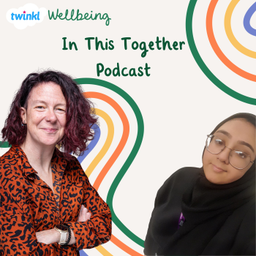
In This Together, the place where we explore all things wellbeing in education. Join us as we dive into honest conversations, share practical strategies, and uncover the insights you need to foster a thriving environment for both staff , students and everyone in their lives. Get ready to feel inspired, supported, and ready to make a real difference in your community!
- Publisher
- Becky Dawson
- Category
- education · health & fitness
- Language
- en
- Explicit
- No
- First episode
- 20 Aug 2025
- Latest episode
- 13 Oct 2026
Latest episodes
49 episodes in the feed.
13 Oct 2026
How Can We Prevent Educator Burnout? | Rowena Hicks | In This Together
In this episode of In This Together, host Becky Dawson is joined by former deputy head, Senco, and educational consultant Rowena Hicks to tackle the critical topic of school staff wellbeing and burnout. Rowena shares her personal experience with extreme stress, exploring how high-achieving, conscientious educators often push themselves to the brink. Together, they discuss practical strategies to reclaim joy in teaching, protect mental health, and foster psychological safety across school leadership and staff teams. Discover actionable approaches to education leadership, workload reduction, and positive culture change in schools. Rowena introduces her "5 Minutes to Thrive" concept, demonstrating how tiny habit changes and leveraging personal strengths can transform workplace stress into sustainable energy. Whether you are a teacher, assistant head, or senior leader, this conversation offers vital insight into balancing professional dedication with personal wellbeing, proving that caring for yourself is essential to supporting young people. Takeaways Recognise the warning signs of burnout: High achievers and conscientious staff often ignore stress symptoms, making early intervention and self-awareness essential. Implement tiny habits: Whole-school wellbeing does not require massive overhauls; consistent 5-minute practices build trust and psychological safety. Leverage personal strengths: Aligning daily tasks with core values like kindness and problem-solving boosts motivation and productivity. Prioritise authentic leadership: Open, vulnerable communication from school leaders models healthy risk-taking and reduces cognitive overload. Streamline bureaucracy: Utilizing tech solutions and flexible working arrangements helps eliminate unnecessary workload and restores joy to teaching. Chapters 00:00 - Introduction - Becky Dawson introduces Rowena Hicks and the importance of educator wellbeing. 00:52 - Rowena's Journey in Education - Overcoming severe burnout and transitioning from deputy head to wellbeing advocate. 05:28 - Identifying Symptoms of Overload - Physical, cognitive, and emotional impacts of chronic stress in school environments. 07:19 - 5 Minutes to Thrive - Small daily habits that create sustainable culture change and psychological safety. 09:42 - The Power of Personal Strengths - How leaning into core values can boost motivation and manage giant to-do lists. 12:31 - Authenticity & Values in the Classroom - Being true to yourself as an educator and creating space for creativity. 16:05 - Leadership Wellbeing & Psychological Safety - How senior leaders can model vulnerability, pause, and reduce team stress. 24:45 - Bringing Joy Back to Teaching - Reducing bureaucracy, leveraging tech, and treating staff as human beings. 30:52 - Final Thoughts & Summary - Wrapping up key takeaways and contact details. Connect & Engage Connect with Becky's Socials and Content: (https://linktr.ee/beckydawsonwellbeing)https://linktr.ee/beckydawsonwellbeing (https://linktr.ee/beckydawsonwellbeing) 📌 Sign up here: https://www.twinkl.co.uk/r/1eq866 (https://www.twinkl.co.uk/r/1eq866) Explore our amazing Leaders resources here: https://www.twinkl.co.uk/r/19plea (https://www.twinkl.co.uk/r/19plea) If you enjoyed this episode, please follow the podcast and leave us a rating and review! Have feedback, questions, or wellbeing success stories to share? Drop us an email at teamwellbeing@twinkl.co.uk.
2 Oct 2026
The Power of Community | Jonathan Harper | In This Together
Explore our amazing Leaders resources here: https://www.twinkl.co.uk/r/nndac (https://www.twinkl.co.uk/r/nndac) In this episode of In This Together, host Becky Dawson sits down with Jonathan Harper FRSA, an award-winning social entrepreneur and founder of CanTeam. Together, they explore how school spaces can be transformed after hours to foster community dining, boost student agency, and nurture whole-school wellbeing. Jonathan shares how opening school canteens strengthens relationships between families, schools, and local communities. The discussion dives deep into social action, practical leadership skills for young people, and overcoming the challenges of secondary school engagement. By placing students at the heart of hosting and organizing, schools can unlock untapped potential and improve outcomes for everyone. Takeaways Community dining as a wellbeing hub: Opening school canteens after hours builds trust, companionship, and strong community links. Empowering young leaders: Involving students directly in hosting and running events develops vital real-world leadership and employability skills. Secondary school connection: Bridging the gap between parents and secondary schools creates meaningful touchpoints for family engagement. Accessible whole school nutrition: Providing appealing, stigma-free nutritious meals fosters healthier habits for young people and families. Intergenerational relationships: Bringing local residents and students together breaks down social barriers and enhances community cohesion. Unlocking existing school assets: Reimagining underutilised spaces transforms schools from academic facilities into vibrant community centers. Chapters 00:00 - Introduction - Becky Dawson introduces the episode, host context, and guest Jonathan Harper. 01:30 - The Genesis of CanTeam - Jonathan shares his background in social action and the Grenfell Tower response that inspired community dining. 05:56 - Overcoming Secondary School Challenges - Exploring how to break down barriers, engage secondary students, and reconnect parents. 11:27 - Operational Models and Staff Involvement - Testing different delivery methods and looking forward to sustainable community hub models. 12:43 - Nutrition, Wellbeing, and Student Agency - Why accessible, appealing food combined with student leadership creates real impact. 20:42 - Inspirational Examples from Across the UK - Student-led dining projects in Bognor Regis, Brighton, and Durham. 24:37 - Intergenerational Connection and Cathedral Thinking - The power of bringing older residents into school canteens and bold leadership vision. 27:18 - Key Takeaways and Closing - Practical action points for school leaders and podcast sign-off. Connect and Engage Don't forget to follow the podcast and leave us a rating and review! If you have feedback, questions, or ideas to share, contact our team at teamwellbeing@twinkl.co.uk. Connect with Becky's Socials and Content: https://linktr.ee/beckydawsonwellbeing (https://linktr.ee/beckydawsonwellbeing) 📌 Subscribe to @twinklresourcesofficial for more resources, discussions, teaching ideas, and wellbeing support. Sign up here https://www.twinkl.co.uk/r/1eq866 🎉
24 Sept 2026
Reimagining School Attendance with Stephen Logan | In This Together
Find out more about our Leader Resources https://www.twinkl.co.uk/r/m8jyb (https://www.twinkl.co.uk/r/m8jyb) Mental Health Behaviour and Attendance Resource https://www.twinkl.co.uk/r/129pkb (https://www.twinkl.co.uk/r/129pkb) How to Manage Staff Attendance https://www.twinkl.co.uk/r/19bew1 (https://www.twinkl.co.uk/r/19bew1) Find out more about Stephen’s work here: Website https://hsa.harbourlearningtrust.com/ Linkedin https://www.linkedin.com/in/stephentlogan/ (https://www.linkedin.com/in/stephentlogan/) 6 Quick things about attendance: https://www.independentthinking.co.uk/resources/six-quick-things-on-attendance/ (https://www.independentthinking.co.uk/resources/six-quick-things-on-attendance/) Description In this episode of In This Together, host Becky Dawson sits down with Stephen Logan, the proud principal of Healing Academy in North East Lincolnshire, to explore a refreshing, human approach to school attendance. Moving away from the rigid data chase that often leaves leaders feeling pressured, Stephen explains how his philosophy of care, inclusion, and standards helps rebuild engagement from the ground up. They discuss shifting from compliance to curiosity, the profound impact of quality first teaching, and the systemic challenges surrounding educational funding and outreach. This deep dive offers valuable insights for school leaders looking to implement sustainable behaviour management and foster genuine community well-being. By prioritizing human relationships over percentages, educators can understand the root complexities of severe absence—such as mental health and family context—and create a school environment where young people truly feel they belong. Takeaways Human connection as an attendance driver: Prioritize meaningful, daily interactions with students and staff over immediate compliance checks to build momentum and psychological safety. Quality first teaching builds belonging: Getting students through the door is only half the battle; an engaging curriculum and excellent classroom delivery create the intrinsic motivation for them to return. Ditch the silver bullets and fads: Avoid wasting public funds on quick-fix motivators or exclusive rewards like prom bans, focusing instead on inclusive strategies and robust careers education. The systemic need for targeted funding: True outreach and bridging work with disadvantaged families require sustainable financial resource to employ dedicated pastoral staff. Lead with brave, value-driven actions: Educational leaders must remain courageous, staying obsessed with empathetic processes rather than just the final data outcomes. Chapters 00:00 - Introduction - Becky Dawson introduces the podcast and guest Stephen Logan, principal of Healing Academy. 01:05 - Stephen's Journey to Leadership - Discovering a passion for serving others and entering principalship through a relational lens. 01:50 - The Pressure of Attendance Data - Addressing the systemic scrutiny leaders face and shifting focus to human relationships. 02:40 - Driving Momentum Through Connection - How simple morning greetings and trusted adults uncover the root causes of absence. 06:34 - Defining True Belonging in Education - Combining a house system, joy, and quality first teaching to inspire curiosity. 11:04 - Empathy Over Compliance - Why chasing figures fails and how understanding unique family context changes the dynamic. 14:33 - The Flaw of Reward Fads & Prom Bans - Evaluating inclusive attendance policies versus exclusionary quick fixes. 16:48 - Systemic Accountability and Funding - The crucial need for financial resource to support pastoral staff and outreach. 21:02 - Igniting Curiosity Through Careers - Embedding career strategies early to help students see purpose in school. 21:59 - Takeaways for Tomorrow & Outro - Final leadership advice on being brave, and how to connect with the podcast. We want to hear from you! If you enjoyed this conversation, please follow the podcast and leave us a rating and review on your preferred platform. It helps other educators find these vital discussions on wellbeing. Have thoughts, questions, or brilliant practice to share from your own setting? Drop us an email at teamwellbeing@twinkl.co.uk.
Contact In This Together
- Guest appearances
- Books guests
Based on episode analysis; this does not confirm that the show is currently accepting guests.
Host of In This Together?
Claim your podcast to manage its listing and keep your show details accurate.
Pod Engine is an independent podcast discovery and analytics service and is not affiliated with or endorsed by this podcast. Artwork and show content belong to their owners. Full legal notice.
Explore this show
Podcast research with Pod Engine