
This podcast accompanies the outdoor Jōmon museum located in Akeno-cho, Hokuto, Yamanashi Prefecture.
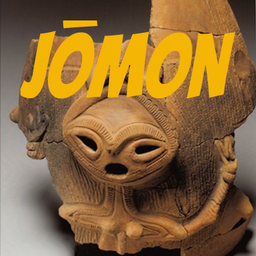
Jōmon Culture: Japan’s Ancient Hunter-Gatherers
Claim This Podcastby Shiseki Umenokiiseki Park
11 episodes
Updated Daily
Accepts GuestsHas SponsorsLocation 🇯🇵
Podcast Overview
This podcast accompanies the outdoor Jōmon museum located in Akeno-cho, Hokuto, Yamanashi Prefecture.
Language
🇺🇲
Publishing Since
2/12/2023
1 verified contact email on file for Jōmon Culture: Japan’s Ancient Hunter-Gatherers
Pitch yourself as a guest, propose sponsorships, or reach out directly to the host.
Recent Episodes
February 12, 2023
Interactions Between the Jōmon and the Wider East-Asian Region | Jomon Period | Japan
<p>After the Last Glacial Maximum, the Japanese archipelago, which lies just east of China, was separated from mainland Asia by the rising sea, resulting in the formation of the unique Jōmon culture. While rice cultivation began in southern China around 8000 BCE, almost exclusive hunting, gathering, and fishing continued for thousands of years in Japan. Agriculture did not begin in the Japanese archipelago until around 800 BCE. However, this does not mean that there was no interaction with the surrounding East-Asian region. In fact, earrings similar to those found in Southeast Asia and southern China have been excavated throughout the Japanese archipelago at sites associated with the early Jōmon period (circa 5000–3520 BCE). In the lower reaches of the Heilongjiang River in northeastern China, nephrite jade earrings began to appear around 8,000 years ago. At the Kuwano Ruins in Fukui Prefecture, slit-disc earrings and other accessories dating back to 7,000 years ago were found. Analyses of the stone used to make them has revealed that they were made on the Chinese mainland or Korean peninsula.</p> <p>In the final Jōmon period (circa 1500-800 BCE), millet and rice were introduced to the Japanese archipelago, and grain cultivation began. In northern Kyushu near the Korean Peninsula, an agricultural society based on paddy rice cultivation was established, and over the next 500 years, paddy rice cultivation and agriculture in general spread to eastern Japan.</p> <p>Historic records from the Edo period (1603-1868) indicate that there were many transient populations from the Philippines, Taiwan, and China entering and exiting Japan in the past. Conversely, the Japanese traveled throughout East Asia prior to Japan’s long period of self-imposed isolation from the 1630s to 1853. People of the Jōmon period also sailed the open seas in wooden canoes, so it is thought that there would have been frequent interactions with other peoples of East Asia, even if only in a limited way. In fact, the remains of a woman with distinct Jōmon DNA have recently been discovered on the Korean peninsula. It is almost certain that more compelling evidence of Jōmon trade and migration will be found outside Japan in the years to come.</p>
February 12, 2023
Rituals and Burials: The Jōmon Spirit World | Jomon Period | Japan
<p>It is difficult to know the religion, beliefs, and spiritual culture of the Jōmon people. Nevertheless, archaeologists have inferred the spiritual culture of the Jōmon period from clay figurines, animal-shaped clay objects, and other artifacts excavated from archaeological sites.</p> <p>Clay figurines depicting women, dating from the late Palaeolithic period, a period which spans all of human history until the end of the last Ice Age, have been found all over the world. These clay figurines, clearly depicting a female body, are thought to represent female fertility.</p> <p>Earthenware, and decorations on pottery, representing animals such as boars, bears, snakes, and frogs have also been found. The fertile wild boar, powerful bear, and repeatedly shedding snake may have symbolized immortality, while the amphibious frog may have symbolized the ability of a creature to transcend boundaries like entering different worlds.</p> <p>Although there is no clear evidence, it is likely that the Jōmon people, like other hunter-gatherers around the world, and the Ainu people of Hokkaido, held pantheistic or animistic beliefs.</p> <p>The Jōmon people carefully buried their dead, often with ornaments, pottery, and stone tools as burial goods. Sometimes the dead were buried in the center of the village, and in other cases they were buried close to their dwellings. In some cases, the dead were buried once, and when they were reduced to bones, they were dug up and carefully reburied. The appearance of Jōmon-period graves indicate that the Jōmon people were not afraid of the dead but felt close to the spirits of their ancestors.</p> <p>There are no notable disparities in Jōmon graves or in the burial goods found, so it is believed that there were no major differences in social stratification throughout the Jōmon period. However, there may have been religious leaders, such as shamans, sorcerers, and witch doctors. There may also have been natural leaders who were well-liked. However, there does not seem to have been an institutionalized status hierarchy. Jōmon people, who lived by hunting, gathering, fishing, and simple plant cultivation, had no need for a powerful political elite.</p>
February 12, 2023
Daily Life of Jōmon People: Food Resources | Jomon Period | Japan
<p>Similar to modern hunter-gatherers, the Jōmon people would have eaten a much wider variety of foods than modern-day city dwellers. In fact, the Ainu of northern Japan, who share much more of their DNA with the ancient Jōmon people than any other group of modern humans, have identified 300 different foods consumed as part of their traditional diets. The Jōmon’s sources of protein alone would have included arboreal animals, which live in trees; terrestrial animals, which live on the ground; fossorial animals, which live underground; and aquatic animals, which live in water.</p> <p>In terms of plants, the Jōmon people consumed items that would rarely appear on the menu of a modern restaurant. Some of the mainstays of the Jōmon diet would have been chestnuts and acorns! However, these food sources often required elaborate processing, like being soaked in ash and water, to make them both edible and palatable.</p> <p>Finally, although their diets were extremely varied and seasonal, it is thought, based on the study of modern hunter-gatherers, that they spent no longer than 3 to 4 hours a day in collecting the calories required for their survival. What did they do with the rest of the day? Clearly they used some of their time to develop artistic and spiritual traditions as is evidenced by the exquisite pottery unearthed at this site and many others throughout Yamanashi and the rest of Japan.</p>
11 total episodes available
Deep-dive analytics for Jōmon Culture: Japan’s Ancient Hunter-Gatherers
Frequently asked questions
Have a different question and can't find the answer you're looking for? Reach out to our support team by sending us an email and we'll get back to you as soon as we can.
- What is Jōmon Culture: Japan’s Ancient Hunter-Gatherers?
- How often does this podcast release new episodes?
This podcast updates daily.
- Where can I listen to this podcast?
This podcast is available on 4 platforms including Apple Podcasts, Spotify, and more. You can also use the RSS feed directly.
- Does this podcast accept guests?
No, this podcast does not typically feature guests.
Legal Disclaimer
Pod Engine is not affiliated with, endorsed by, or officially connected with any of the podcasts displayed on this platform. We operate independently as a podcast discovery and analytics service.
All podcast artwork, thumbnails, and content displayed on this page are the property of their respective owners and are protected by applicable copyright laws. This includes, but is not limited to, podcast cover art, episode artwork, show descriptions, episode titles, transcripts, audio snippets, and any other content originating from the podcast creators or their licensors.
We display this content under fair use principles and/or implied license for the purpose of podcast discovery, information, and commentary. We make no claim of ownership over any podcast content, artwork, or related materials shown on this platform. All trademarks, service marks, and trade names are the property of their respective owners.
While we strive to ensure all content usage is properly authorized, if you are a rights holder and believe your content is being used inappropriately or without proper authorization, please contact us immediately at hey@podengine.ai for prompt review and appropriate action, which may include content removal or proper attribution.
By accessing and using this platform, you acknowledge and agree to respect all applicable copyright laws and intellectual property rights of content owners. Any unauthorized reproduction, distribution, or commercial use of the content displayed on this platform is strictly prohibited.