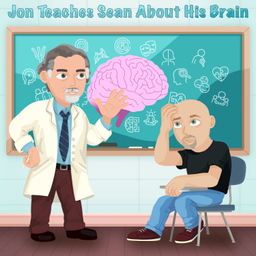
Join Professor Jon, a brain expert with a knack for making neuroscience fun, as he explains the wonders of the brain to his curious but sometimes clueless friend Sean. From memory to emotions to why Sean is terrified of baby kittens, every episode is packed with fascinating insights and plenty of laughs. Whether you're a science geek or just brain-curious, this podcast is your new favorite listen. Streaming now—let's dive into the fantastic world inside your head!
The conversation delves into the reality of police work, the toll it takes on individuals, and the impact on mental health. It explores the shift in experience, early signs of strain, and the impact on sleep and patience. Additionally, it discusses hypervigilance, the culture of silence, and the impact of training on officers. Finally, it examines the understanding of the brain's response to chronic stress and threat detection. The conversation delves into the impact of chronic activation on law enforcement officers, highlighting the cumulative effects on their nervous system, sleep, emotional regulation, and overall well-being. It emphasizes the importance of seeking help, trauma-informed therapy, and peer support, while also discussing the shift in societal attitudes towards mental health and the power of self-narration and language in addressing stress and its impact.
Takeaways
The toll of police work on mental health
The impact of training on officers' well-being The toll of chronic activation on law enforcement officers is significant and affects various aspects of their well-being.
Seeking help, trauma-informed therapy, and peer support are crucial for addressing the impact of chronic activation on law enforcement officers.
Chapters
00:00 The Reality of Police Work
06:26 The Toll of the Job
09:37 The Shift in Experience
10:06 Early Signs of Strain
11:11 Impact on Sleep and Patience
13:44 Hypervigilance and Awareness
17:48 The Culture of Silence
19:22 The Toll on Mental Health
25:43 The Impact of Training
33:16 Understanding the Brain's Response
38:19 The Impact of Chronic Activation
39:21 The Cumulative Effect of Chronic Activation
40:19 The Downstream Effects of Chronic Activation
42:06 The Negative Impact on Sleep and Emotional Regulation
43:01 The Toll on the Brain and Emotional Well-being
44:25 The Importance of Seeking Help and Support
47:15 The Need for Trauma-Informed Therapy and Peer Support
52:42 The Shift in Societal Attitudes Towards Mental Health
01:03:33 The Power of Self-Narration and Language
01:04:54 Recognizing and Addressing Stress and Its Impact
22 Jul 2026
Nobody Saw Anything
The conversation explores the psychology of witness silence, driven by in-group loyalty and fear. It delves into the impact of low institutional trust and the social machinery behind coordinated silence. The reframe of frustration leads to a focus on rebuilding trust through accountability and consistency over time.
Takeaways
In-group loyalty and fear drive witness silence
Silence is a symptom of low institutional trust
Chapters
00:00 The Quiet Kind of Frustration
04:06 The Ideal Investigation
05:14 The Shift in Perception
07:24 Coordinated Silence
08:31 The Internal Struggle
09:22 The Conflict of Loyalty
10:20 The Polite Refusal
11:03 The Look of Resolve
12:28 Professional Frustration
13:21 The Feeling of Sadness
14:08 The Phenomenon of Witness Silence
15:13 The Psychology of Witness Silence
16:10 In-Group Loyalty
17:15 The Power of In-Group Loyalty
18:03 Fear and Social Costs
19:12 The Asymmetry of Fear
20:09 The Uncertain Benefit
21:24 Pluralistic Ignorance
22:43 Social Norm Signaling
23:18 Streetwide Coordination
24:17 The Concept of Pluralistic Ignorance
25:06 The Math of Safety and Belonging
26:25 The Role of Institutional Trust
27:28 The Accumulated Experience
28:39 The Symptom of Low Institutional Trust
29:31 The Mysterious Coordination
30:16 The Role of Pluralistic Ignorance
31:03 The Norm of Non-Cooperation
32:09 The Conflict of Personal Impulse
33:01 The Asymmetry of Benefit and Cost
34:12 The Reframe of Frustration
35:38 The Process of Rebuilding Trust
36:16 The Cost of Overriding Personal Impulse
41:30 The Slow Process of Building Trust
17 Jul 2026
He Was Wearing a Red jacket
The conversation delves into the complexity of eyewitness testimony, highlighting the discrepancies and challenges associated with memory and confidence. It explores the role of confidence in memory, the process of memory reconstruction, and the impact of confidence on accuracy. The discussion emphasizes the need for caution and awareness when evaluating eyewitness testimony. The conversation delves into the fragility of memory, the impact of wording on memory reconstruction, and the reliability of eyewitness testimony. It explores the Oklahoma City bombing, the impact on justice, emotions and memory, the Challenger explosion, victim testimony, the role of confidence, and reflects on past cases.
Takeaways
Memory is not a recording
Confidence does not correlate with accuracy Memory reconstruction
Impact of wording on memory
Eyewitness testimony reliability
Chapters
00:00 The Complexity of Eyewitness Testimony
26:30 The Role of Confidence in Memory
33:24 Memory as Reconstruction
39:03 The Impact of Confidence on Accuracy
41:16 The Fragility of Memory
42:13 Eyewitness Testimony and Memory
43:21 The Oklahoma City Bombing
44:42 The Impact on Justice
46:31 Emotions and Memory
48:32 The Challenger Explosion
49:26 Victim Testimony
50:27 The Role of Confidence
01:06:40 Reflecting on Past Cases
Reach and audience
Public platform figures. Ratings count people who left a rating, not total listeners.
Spotify
5.0 / 5
9 ratings
Contact Jon Teaches Sean About His Brain
Guest appearances
Books guests
Based on episode analysis; this does not confirm that the show is currently accepting guests.
Host of Jon Teaches Sean About His Brain?
Claim your podcast to manage its listing and keep your show details accurate.
Pod Engine is an independent podcast discovery and analytics service and is not affiliated with or endorsed by this podcast. Artwork and show content belong to their owners. Full legal notice.
Explore this show Podcast research with Pod Engine