
The Lusiads (Os Lusíadas) is a Portuguese epic poem, written in the 16th century by Luis Vaz de Camões. The poem tells the tale of the Portuguese discoveries in the 15th and 16th centuries, specially the voyage to India by Vasco da Gama. Modelled after the classic epic tradition, Camões' Lusiads are considered not only the first literary text in Modern Portuguese, but also a national epic of the same level as Vergil's Aeneid. In the 19th century, Sir Richard Francis Burton translated Camões' Lusiads, in what he considered "the most pleasing literary labour of his life". (Summary by Leni)
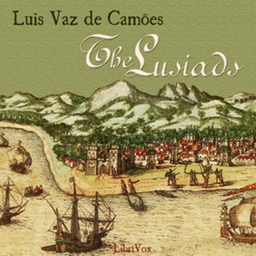
Lusiads, The by Luís Vaz de Camões (1524 - 1580)
Claim This Podcastby ciesse
12 episodes
Updated Daily
Accepts GuestsHas SponsorsLocation 🇵🇹
Podcast Overview
The Lusiads (Os Lusíadas) is a Portuguese epic poem, written in the 16th century by Luis Vaz de Camões. The poem tells the tale of the Portuguese discoveries in the 15th and 16th centuries, specially the voyage to India by Vasco da Gama. Modelled after the classic epic tradition, Camões' Lusiads are considered not only the first literary text in Modern Portuguese, but also a national epic of the same level as Vergil's Aeneid. In the 19th century, Sir Richard Francis Burton translated Camões' Lusiads, in what he considered "the most pleasing literary labour of his life". (Summary by Leni)
Language
🇺🇲
Publishing Since
8/27/2024
1 verified contact email on file for Lusiads, The by Luís Vaz de Camões (1524 - 1580)
Pitch yourself as a guest, propose sponsorships, or reach out directly to the host.
Recent Episodes
August 27, 2024
Canto V
August 27, 2024
Dedication and Preface
August 27, 2024
Canto VII
12 total episodes available
Deep-dive analytics for Lusiads, The by Luís Vaz de Camões (1524 - 1580)
Frequently asked questions
Have a different question and can't find the answer you're looking for? Reach out to our support team by sending us an email and we'll get back to you as soon as we can.
- What is Lusiads, The by Luís Vaz de Camões (1524 - 1580)?
- How often does this podcast release new episodes?
This podcast updates daily.
- Where can I listen to this podcast?
This podcast is available on 4 platforms including Apple Podcasts, Spotify, and more. You can also use the RSS feed directly.
- Does this podcast accept guests?
Information about guest appearances is not available.
Legal Disclaimer
Pod Engine is not affiliated with, endorsed by, or officially connected with any of the podcasts displayed on this platform. We operate independently as a podcast discovery and analytics service.
All podcast artwork, thumbnails, and content displayed on this page are the property of their respective owners and are protected by applicable copyright laws. This includes, but is not limited to, podcast cover art, episode artwork, show descriptions, episode titles, transcripts, audio snippets, and any other content originating from the podcast creators or their licensors.
We display this content under fair use principles and/or implied license for the purpose of podcast discovery, information, and commentary. We make no claim of ownership over any podcast content, artwork, or related materials shown on this platform. All trademarks, service marks, and trade names are the property of their respective owners.
While we strive to ensure all content usage is properly authorized, if you are a rights holder and believe your content is being used inappropriately or without proper authorization, please contact us immediately at hey@podengine.ai for prompt review and appropriate action, which may include content removal or proper attribution.
By accessing and using this platform, you acknowledge and agree to respect all applicable copyright laws and intellectual property rights of content owners. Any unauthorized reproduction, distribution, or commercial use of the content displayed on this platform is strictly prohibited.