
Four in five American Indian and Alaska Native women have experienced violence. More than 1 in 2 have experienced sexual violence. This podcast will examine how domestic violence can unfold; barriers to justice; discuss the impacts for survivors; and the many ways to advance healing from trauma. Preventing missing and murdered indigenous women and children requires improved knowledge about the ways violence permeates indigenous lives. It also requires that we examine the strength, resiliency, hope, and love within indigenous history and culture. Welcome to all listeners!
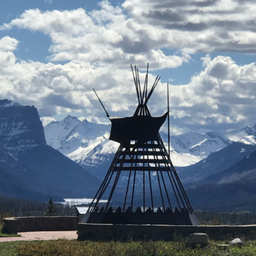
Native Women Rising: Montana voices
Claim This Podcastby Annie Belcourt
5.0(5 reviews)
8 episodes
Updated Daily
Accepts GuestsHas SponsorsLocation 🇺🇸
Podcast Overview
Four in five American Indian and Alaska Native women have experienced violence. More than 1 in 2 have experienced sexual violence. This podcast will examine how domestic violence can unfold; barriers to justice; discuss the impacts for survivors; and the many ways to advance healing from trauma. Preventing missing and murdered indigenous women and children requires improved knowledge about the ways violence permeates indigenous lives. It also requires that we examine the strength, resiliency, hope, and love within indigenous history and culture. Welcome to all listeners!
Language
🇺🇲
Publishing Since
9/23/2021
1 verified contact email on file for Native Women Rising: Montana voices
Pitch yourself as a guest, propose sponsorships, or reach out directly to the host.
Recent Episodes
August 20, 2022
Welcome to episode 1 of Season 2! Healing and post traumatic growth are the themes!
We will have special guests speak about their experiences and healing through the arts, culture, language, land, music, spirituality, and story! Join us as we learn together and share our pathways to healing.
September 29, 2021
Sentencing for "a sliver in time"
<p>Domestic violence is a serious crime. Previous research and clinical knowledge has provided ample evidence that demonstrates how domestic violence worsens over time and escalates in severity. Simply said if it is not stopped domestic violence can and will escalate to more serious criminal acts including acts of homicide within families. Missing and murdered indigenous women and children are often exposed to domestic or interpersonal familial violence prior to events that lead to their disappearance or death. This has been observed in cases like that of Jermain Charlo, who experienced at least 3 incidents of PFMA (Partner Family Member Assault) by her partner before she disappeared in 2018. It was also true for my younger sister who experiences domestic violence just 8 months before she was killed by a man in Billings. </p> <p>Unfortunately, Montana and many states have very minimal legal consequences for these crimes. In many states and communities it is viewed in highly stigmatized ways. This can be very subtle or be expressed very flagrantly. Famously, the late former Governor of Montana Judy Martz told a large audience in Butte, "My husband never battered me, but then again, I've never given him a reason to."</p> <p>The victim blaming and shaming associated with domestic violence and child abuse are profoundly insidious and a destructive force within many communities. </p> <p>In this case example, we see this unfold. Over two years after an assault, Mr. Juneau is emboldened by his successful efforts to avoid prosecution or accountability for assault. He admits under sworn testimony to returning to the survivors' home (my home) with the intention of violating court orders with the intent of committing an additional assault. Mr. Juneau continues to victim blame and avoid accepting any accountability for his criminal actions. This stance and outcome will unfortunately be familiar to those experienced with such PFMA cases in Montana and beyond. </p> <p>Mr. Juneau was sentenced to 7 days in jail for his actions. He can also no longer own weapons or firearms. However, as he stated he views it all as just a "sliver in time" and expresses no genuine regret or remorse for the damage he has inflicted in many lives. </p> <p>This will wrap up season 1 in this podcast. However, the next season we will shift the focus of Native Women Rising on domains beyond survival and into positive transcendence following trauma. We will examine how research on resilience and cultural factors are helping communities thrive. This will include emerging efforts in art, literature, film, and professional practice aimed at elevating survivor voices and transforming pain into meaning. This will include interviews with scholars, artists, survivors, and community members working to end violence and prevent MMIW cases. </p>
September 27, 2021
Closing statements and survivor response testimony
This episode includes the conclusion of testimony in the trial of domestic violence/Partner Family Member Assault charges against Edmond Juneau. This includes a rebuttal testimony by the survivor in the case which includes questioning by both the prosecuting and defense attorney. Mr. Juneau admitted to causing physical injury, but claims that it was both self-defense and accidental. Neither were true defenses. It is important to note that domestic violence can happen to anyone. The patterns of abuse often reflect attempts to assert power and control over another person. The prosecution clarifies several erroneous statements and assists in clarifying the lack of malicious motive for the survivor in the case. Commentary by survivor is provided to help explain the process of serving as a witness in a PFMA case in Montana and the experience of navigating the judicial setting. Challenges are frequently encountered by survivors seeking to comply with PFMA prosecution. There are many factors that can represent a challenge (lack of familiarity in the process, anxiety speaking in public about personal experiences, cultural differences, hypervigilance associated with seeing the abuser in court, and the presence of "flying monkeys" or friends/family who seek to help intimidate the witness and influence the jurors. Experiencing cross examination by the defense council can also be very difficult. While some areas are irrelevant to the case, it is the job of the defense council to question the credibility of the survivor and even to attempt to provoke or cause distress to survivors. This can be particularly true in cases where defendants attempt to claim self defense. In this case, all of the aforementioned factors were present and created a difficult experience for the survivor testifying. If you need help, reach out to resources in your area such as domestic violence resource centers or national resources listed in episodes of this podcast. Abuse is not acceptable in relationships, it is in fact a criminal act in the US. It is not the fault of the survivor. The testimony will include many attempts to discredit the witness and phrases like "It goes both ways" or "it takes two" are often tactics employed to diminish and marginalize victims. Violence is a choice and most survivors choose not to engage in violence within relationships. Unfortunately, this is not always the case as is demonstrated in this case study.
8 total episodes available
Deep-dive analytics for Native Women Rising: Montana voices
Frequently asked questions
Have a different question and can't find the answer you're looking for? Reach out to our support team by sending us an email and we'll get back to you as soon as we can.
- What is Native Women Rising: Montana voices?
- How often does this podcast release new episodes?
This podcast updates daily.
- Where can I listen to this podcast?
This podcast is available on 4 platforms including Apple Podcasts, Spotify, and more. You can also use the RSS feed directly.
- Does this podcast accept guests?
Yes, this podcast regularly features guests.
Legal Disclaimer
Pod Engine is not affiliated with, endorsed by, or officially connected with any of the podcasts displayed on this platform. We operate independently as a podcast discovery and analytics service.
All podcast artwork, thumbnails, and content displayed on this page are the property of their respective owners and are protected by applicable copyright laws. This includes, but is not limited to, podcast cover art, episode artwork, show descriptions, episode titles, transcripts, audio snippets, and any other content originating from the podcast creators or their licensors.
We display this content under fair use principles and/or implied license for the purpose of podcast discovery, information, and commentary. We make no claim of ownership over any podcast content, artwork, or related materials shown on this platform. All trademarks, service marks, and trade names are the property of their respective owners.
While we strive to ensure all content usage is properly authorized, if you are a rights holder and believe your content is being used inappropriately or without proper authorization, please contact us immediately at hey@podengine.ai for prompt review and appropriate action, which may include content removal or proper attribution.
By accessing and using this platform, you acknowledge and agree to respect all applicable copyright laws and intellectual property rights of content owners. Any unauthorized reproduction, distribution, or commercial use of the content displayed on this platform is strictly prohibited.