Podcast thumbnail for Pottpsycho

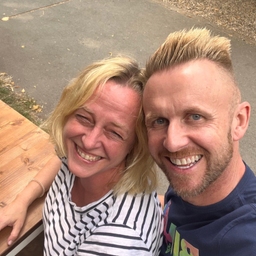
by Meike und Frank

30 episodes
Updated Daily
Accepts GuestsHas SponsorsLocation 🇩🇪

Podcast Overview

Instagram: https://www.instagram.com/pottpsycho_podcast?igsh=NWlmdWlmdG02a2E= Was passiert eigentlich bei einer Psychotherapie, wie entstehen diese Erkrankungen und wie kann Heilung gelingen? Ein ehemaliger Patient und seine frühere Therapeutin sprechen offen, ehrlich und professionell über psychische Erkrankungen, ihre Ursachen und den Weg zur Heilung. Anhand echter Erfahrungen zeigen wir, wie Therapie funktioniert. Wir möchten zeigen: Du bist nicht allein. Der Weg lohnt sich. Für alle, die verstehen wollen, wie Psyche funktioniert und wie Veränderung möglich ist.

Language

🇩🇪

Publishing Since

6/23/2025

1 verified contact email on file for Pottpsycho

Pitch yourself as a guest, propose sponsorships, or reach out directly to the host.

Recent Episodes

Episode thumbnail for #28 People Pleasing & Grenzen setzen: Die ungleichen Geschwister

July 12, 2026

#28 People Pleasing & Grenzen setzen: Die ungleichen Geschwister

<p>Mit dieser Folge 28 verabschieden wir uns in die Sommerferien! </p><p>Heute reden wir über &quot;People pleasing&quot;. Das beschreibt ein Verhalten, dass viele von uns an den Tag legen. Aber warum tue ich das? Habe ich damit Erfolg? Wo liegen die Gefahren und wie lerne ich, gesunde Grenzen zu setzen? <strong>Literaturquellen:</strong></p><ul><li>Felitti, V.J., Anda, R.F., Nordenberg, D. ,et al. (1998). Relationship of Childhood Abuse and Household Dysfunction to many of the leading causes of death in adults. American Journal of Preventive Medicine, 14 (4), 245-258</li><li>Jack, D.C. (1991). Silencing the self: Women and depression. Haravard University Press.</li><li>Jack, D.C., &amp; Dill, D. (1992). The Silencing the Self Scale: Schemas of Intimacy Associated with depression in women. Psychology of women quarterly, 16(1), 97-106</li><li>Mikulincer, M., &amp; Shaver, P.R. (2007). Attachment in Adulthood: Structure, Dynamics and Change, Guilford Press</li><li>Neff, K.D. (2003). Self-Compassion: An alternative Conceptualization of a healthy attitude Toward Oneself. Self and Identity, 2(2),85-101</li><li>Speed. B.C., Goldstein, B.L. &amp; Goldfried, M.R. (2018). Assertiveness Training: A forgotten evidence-based treatment. Clinical psychology: Science and practice, 25(1), e12216</li><li>Maté, G. (2003). When the body says no: The cost of hidden stress. Knopf Canada.</li></ul><p><strong>Literatur: Abgrenzung (Grenzen setzen) &amp; Susana Bloch</strong></p><p>A. Wissenschaftliche Literatur zu Grenzen setzen / Assertiveness</p><p>- Speed. B.C., Goldstein, Bl.L., &amp; Goldfried, M.R. (2018). Assertiveness Training: A forgotten evidence-based treatment. Clinical psychology: Science and Practice, 252(1).</p><p>- Omura, M., Maguire, J., Levett-Jones, T., &amp; Stone, T.E. (2017). The effectiveness of assertiveness communication training programs: a systematic review, International Journal of Nursing Studies, 76, 120-128. </p><p>- Jack, D.C,, &amp; Dill, D. (1992). The Silencing the Self Scale: schemas of Intimacy Associated with Depression in Women. Psychology of Women Quarterly, 16(1), 97-106</p><p>- Neff.K.D. (2003). Self-Compassion: An Alternative Conecptualization of a Healthy Attitude Toward Oneself. Self and Identity, 2 (2), 85-101</p><p>- Mikulincer, M., &amp; Shaver, P.R. (2007). Attachment in Adulthood. Structure, Dynamics, and Change, Guilford Press</p><p>B. Bücher von Susana Bloch (Alba Emoting)</p><p>- Bloch, S. (2002/2011). Al alba de las emociones: respiración y manejo de las emociones (Alba Emoting)</p><p>- Bloch, S. (2002). Alba Emoting. Bases científicas del emocionar</p><p>- Bloch, S. &amp; Maturana, H. (1996-/2014).Biología del emoionar y Alba Emoting: Bailando juntos.</p><p>- Bloch, S. (2009). Surfeando la ola emocional.</p><p>- Bloch, S. (2017). Alba Emotiong: A Scientific Method for Emotional Induction.</p><p><br></p><p></p><p><strong>Hinweis:</strong></p><p>Pottpsycho ist ein Gesprächsformatrund um psychisches Wohlbefinden. Auch wenn Meike als Dipl. Psychologinfundiertes Fachwissen einbringt, ersetzen die Inhalte dieser Folge keineindividuelle ärztliche, psychotherapeutische oder psychiatrische Behandlung,Diagnose oder Beratung. Was wir hier besprechen, sind allgemeine Einblicke undPerspektiven – kein persönliches Gutachten zu eurer individuellen Situation,das eine Fachperson nur nach einem persönlichen Gespräch geben kann.</p><p>Falls ihr selbst psychisch belastetseid oder Unterstützung braucht, wendet euch bitte an eine Fachperson oder eineder folgenden Anlaufstellen:</p><p><strong>Akute Krise / Suizidgedanken</strong> 📞 Telefonseelsorge:0800 111 0 111 oder 0800 111 0 222 (kostenlos, anonym, rund um die Uhr) | auchper Chat/Mail: online.telefonseelsorge.de 🚨Notruf: 112</p><p><strong>Ärztlicher Bereitschaftsdienst</strong> (außerhalb der Praxiszeiten) 📞116 117</p><p><strong>Weitere Anlaufstellen</strong> 📞 DeutscheDepressionshilfe – Info-Telefon: 0800 33 44 533 📞Nummer gegen Kummer (Kinder &amp; Jugendliche): 116 111</p><p>Ihr seid mit euren Themen nichtallein – zögert nicht, euch Hilfe zu holen.</p><p></p><p></p>

Episode thumbnail for #27 Gaslighting - wenn du nur noch an dir zweifelst

July 6, 2026

#27 Gaslighting - wenn du nur noch an dir zweifelst

<p>Meike &amp; Frank sprechen heute über Gaslighting, einen sehr populären Begriff. Aber was ist das überhaupt, wie erkennt man Gaslighting, welche Folgen hat es und was kann man tun, wenn man hineingerät. </p><p>Wie immer nennen wir Beispiele aus dem eigenen Leben, diskutieren Hintergründe, Studien etc. </p><p><strong>Bitte entschuldigt die teilweise schlechte Tonqualität in dieser Folge, wir betreiben gerade Ursachenforschung und geben alles dafür, dass dies besser wird! *sorry*</strong></p><p>Viel Spaß bei der neuen Folge! </p><p><br></p><p>LInk zum angesprochenen Podcast mit Dr. Ramani: https://open.spotify.com/episode/396xhgfcE6dL09DGTuRoDa?si=T6ySl-TZRvuuLs8GWtXeRA</p><p><br></p><p><strong>Studienliste: </strong></p><p>Graves &amp; Samp (2021) – The Power to GaslightUntersuchung von 298 Personen in Paarbeziehungen. Ergebnis: Gaslighting hängt mit Machtverhältnissen zusammen und tritt besonders bei sehr niedriger oder sehr hoher Macht häufiger auf.</p><p>March et al. (2023/2025) – &#39;It&#39;s All in Your Head&#39;Entwicklung eines Gaslighting-Fragebogens (N=315). Höhere Akzeptanz von Gaslighting hing insbesondere mit Machiavellismus, Psychopathie und Sadismus zusammen.</p><p>Adair (2025) – Defining Gaslighting in Gender-Based ViolenceSystematisches Review von 96 Veröffentlichungen. Beschreibt typische Folgen: Gedächtnis- und Wahrnehmungszweifel, emotionale Belastung, soziale Isolation und Macht-/Kontrollmechanismen.</p><p>Forschung zu Gedächtnis und sozialem EinflussMehrere aktuelle Arbeiten zeigen, dass wiederholtes Bestreiten von Ereignissen das Vertrauen in die eigene Erinnerung reduzieren kann.</p><p>Gaslighting und psychische GesundheitNeuere Arbeiten berichten Zusammenhänge mit Depressionen, Angst, vermindertem Selbstwertgefühl und Beeinträchtigung der Beziehungsqualität.</p><p>Häufig berichtete psychische Folgen</p><p>Quellen / Literaturangaben</p><p>Graves, C. G., &amp; Samp, J. A. (2021). The Power to Gaslight. Journal of Social and Personal Relationships. DOI: 10.1177/02654075211026975</p><p>March, E., Kay, C. S., Dinić, B. M., et al. (2025). &#39;It’s All in Your Head&#39;: Personality Traits and Gaslighting Tactics in Intimate Relationships. Journal of Family Violence. DOI: 10.1007/s10896-023-00582-y</p><p>Adair, J. (2025). Defining Gaslighting in Gender-Based Violence: A Mixed-Methods Systematic Review. Trauma, Violence, &amp; Abuse. DOI: 10.1177/15248380251344316</p><p>• Verlust von Selbstvertrauen und Selbstwertgefühl• Depressive Symptome• Angst und chronischer Stress• Zweifel an Erinnerung und Wahrnehmung• Soziale Isolation• Emotionale Abhängigkeit• Trauma- und PTSD-ähnliche Symptome</p><p><br></p><p><br></p><p><strong>Hinweis:</strong></p><p>Pottpsycho ist ein Gesprächsformatrund um psychisches Wohlbefinden. Auch wenn Meike als Dipl. Psychologinfundiertes Fachwissen einbringt, ersetzen die Inhalte dieser Folge keineindividuelle ärztliche, psychotherapeutische oder psychiatrische Behandlung,Diagnose oder Beratung. Was wir hier besprechen, sind allgemeine Einblicke undPerspektiven – kein persönliches Gutachten zu eurer individuellen Situation,das eine Fachperson nur nach einem persönlichen Gespräch geben kann.</p><p>Falls ihr selbst psychisch belastetseid oder Unterstützung braucht, wendet euch bitte an eine Fachperson oder eineder folgenden Anlaufstellen:</p><p><strong>Akute Krise / Suizidgedanken</strong> 📞 Telefonseelsorge:0800 111 0 111 oder 0800 111 0 222 (kostenlos, anonym, rund um die Uhr) | auchper Chat/Mail: online.telefonseelsorge.de 🚨Notruf: 112</p><p><strong>Ärztlicher Bereitschaftsdienst</strong> (außerhalb der Praxiszeiten) 📞116 117</p><p><strong>Weitere Anlaufstellen</strong> 📞 DeutscheDepressionshilfe – Info-Telefon: 0800 33 44 533 📞Nummer gegen Kummer (Kinder &amp; Jugendliche): 116 111</p><p>Ihr seid mit euren Themen nichtallein – zögert nicht, euch Hilfe zu holen.</p><p><br></p>

Episode thumbnail for #26 Dysthymie - Wenn Depression nicht traurig macht

June 22, 2026

#26 Dysthymie - Wenn Depression nicht traurig macht

<p>Die Wahrnehmung einer Depression in der Außenwelt ist meistens mit Traurigkeit verbunden. Das ist aber nur eine Erscheinungsform der Depression. Menschen mit einer Dysthymie sind nicht zwingend traurig. </p><p>Meike &amp; Frank sprechen heute über eigene Erfahrungen mit dieser Erkrankung, ziehen wie immer Studien zu Rate und geben Tipps für Betroffene und das persönliche Umfeld von Betroffenen. </p><p><strong>Hinweis:</strong></p><p>Pottpsycho ist ein Gesprächsformat rund um psychisches Wohlbefinden. Auch wenn Meike als Dipl. Psychologin fundiertes Fachwissen einbringt, ersetzen die Inhalte dieser Folge keine individuelle ärztliche, psychotherapeutische oder psychiatrische Behandlung, Diagnose oder Beratung. Was wir hier besprechen, sind allgemeine Einblicke und Perspektiven – kein persönliches Gutachten zu eurer individuellen Situation, das eine Fachperson nur nach einem persönlichen Gespräch geben kann.</p><p>Falls ihr selbst psychisch belastet seid oder Unterstützung braucht, wendet euch bitte an eine Fachperson oder eine der folgenden Anlaufstellen:</p><p><strong>Akute Krise / Suizidgedanken</strong><br>📞 Telefonseelsorge: 0800 111 0 111 oder 0800 111 0 222 (kostenlos, anonym, rund um die Uhr) | auch per Chat/Mail: online.telefonseelsorge.de<br>🚨 Notruf: 112</p><p><strong>Ärztlicher Bereitschaftsdienst</strong> (außerhalb der Praxiszeiten)<br>📞 116 117</p><p><strong>Weitere Anlaufstellen</strong><br>📞 Deutsche Depressionshilfe – Info-Telefon: 0800 33 44 533<br>📞 Nummer gegen Kummer (Kinder &amp; Jugendliche): 116 111</p><p>Ihr seid mit euren Themen nicht allein – zögert nicht, euch Hilfe zu holen.</p><p><strong>Literaturverzeichnis</strong> – Dysthymie / Chronische Depression</p><p>Tozzi, L., et al. (2024). Personalized brain circuit scores identify clinically distinct biotypes in depression and anxiety. Nature Medicine, 30, 1450–1461. https://doi.org/10.1038/s41591-024-03057-9</p><p>Williams, L. M. (2016). Defining biotypes for depression and anxiety based on large-scale circuit dysfunction. Biological Psychiatry, 80(6), 442–452. https://doi.org/10.1016/j.biopsych.2015.03.002</p><p>Keller, M. B., et al. (2000). A Comparison of Nefazodone, the Cognitive Behavioral Analysis System of Psychotherapy, and Their Combination for the Treatment of Chronic Depression. New England Journal of Medicine, 342(20), 1462–1470. https://doi.org/10.1056/NEJM200005183422001</p><p>McCullough, J. P. (2006). Treatment for Chronic Depression: Cognitive Behavioral Analysis System of Psychotherapy (CBASP). Guilford Press.</p><p>Negt, P., et al. (2016). The treatment of chronic depression with Cognitive Behavioral Analysis System of Psychotherapy: A systematic review and meta-analysis of randomized-controlled clinical trials. Brain and Behavior, 6(8), e00486. https://doi.org/10.1002/brb3.486</p><p>Cuijpers, P., van Straten, A., Schuurmans, J., &amp; van Oppen, P. (2010). Psychotherapy for chronic major depression and dysthymia: A meta-analysis. Clinical Psychology Review, 30(1), 51–62. https://doi.org/10.1016/j.cpr.2009.09.003</p><p>American Psychiatric Association. (2022). Diagnostic and Statistical Manual of Mental Disorders (5th ed., text rev.; DSM-5-TR). American Psychiatric Publishing.</p>

30 total episodes available

Deep-dive analytics for Pottpsycho

Frequently asked questions

Have a different question and can't find the answer you're looking for? Reach out to our support team by sending us an email and we'll get back to you as soon as we can.

What is Pottpsycho?

Instagram: https://www.instagram.com/pottpsycho_podcast?igsh=NWlmdWlmdG02a2E=

Was passiert eigentlich bei einer Psychotherapie, wie entstehen diese Erkrankungen und wie kann Heilung gelingen? Ein ehemaliger Patient und seine frühere Therapeutin sprechen offen, ehrlich und professionell über psychische Erkrankungen, ihre Ursachen und den Weg zur Heilung. Anhand echter Erfahrungen zeigen wir, wie Therapie funktioniert. Wir möchten zeigen: Du bist nicht allein. Der Weg lohnt sich. Für alle, die verstehen wollen, wie Psyche funktioniert und wie Veränderung möglich ist.

How often does this podcast release new episodes?

This podcast updates daily.

Where can I listen to this podcast?

This podcast is available on 4 platforms including Apple Podcasts, Spotify, and more. You can also use the RSS feed directly.

Does this podcast accept guests?

Information about guest appearances is not available.

Legal Disclaimer

Pod Engine is not affiliated with, endorsed by, or officially connected with any of the podcasts displayed on this platform. We operate independently as a podcast discovery and analytics service.

All podcast artwork, thumbnails, and content displayed on this page are the property of their respective owners and are protected by applicable copyright laws. This includes, but is not limited to, podcast cover art, episode artwork, show descriptions, episode titles, transcripts, audio snippets, and any other content originating from the podcast creators or their licensors.

We display this content under fair use principles and/or implied license for the purpose of podcast discovery, information, and commentary. We make no claim of ownership over any podcast content, artwork, or related materials shown on this platform. All trademarks, service marks, and trade names are the property of their respective owners.

While we strive to ensure all content usage is properly authorized, if you are a rights holder and believe your content is being used inappropriately or without proper authorization, please contact us immediately at hey@podengine.ai for prompt review and appropriate action, which may include content removal or proper attribution.

By accessing and using this platform, you acknowledge and agree to respect all applicable copyright laws and intellectual property rights of content owners. Any unauthorized reproduction, distribution, or commercial use of the content displayed on this platform is strictly prohibited.