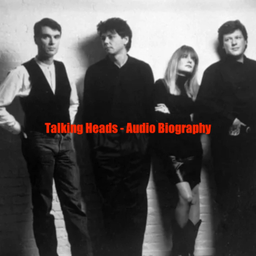
Podcast thumbnail for Talking Heads - Audio Biography

Talking Heads - Audio Biography

Claim This Podcast

by Inception Point AI

1 episodes
Updated Inactive
Accepts GuestsHas SponsorsLocation 🇺🇸

Podcast Overview

Talking Heads: Architects of Sonic Angst and Polyrhythmic Joy From the dank basements of New York's art-punk scene to the dazzling lights of MTV, Talking Heads weaved a tapestry of sound that captivated the world. Their music, a potent cocktail of art-rock, punk energy, and infectious grooves, mirrored the cultural anxieties and social upheaval of the late 70s and 80s. Through it all, they remained enigmas, their music layered with cryptic lyrics, jerky dance moves, and David Byrne's iconic, rubber-limbed stage presence. This isn't just a biography; it's a deep dive into the pulsating heart of one of the most influential bands of their generation. Rhode Island Roots and Artistic Ferment (1974-1976): Our story begins in 1974, at the Rhode Island School of Design. Three art students – David Byrne, Chris Frantz, and Tina Weymouth – shared a penchant for avant-garde experimentation and disdain for rock music's conventions. The band, initially called the Artistics, was more performance art than rock and roll, blurring the lines between music and visual spectacle. They moved to New York, embracing the grittiness and raw energy of the burgeoning CBGB scene, opening for the Ramones and Patti Smith. This was fertile ground for Talking Heads, their sound evolving into a spiky, angular art-punk hybrid, fueled by Frantz's driving drums and Weymouth's pulsing basslines. Fear of Music and Avant-Garde Ascent (1977-1979): Their 1977 debut, "Talking Heads: 77," was a raw explosion of nervous energy, capturing the claustrophobic anxieties of urban life. Byrne's jittery vocals and Brian Eno's atmospheric production painted a stark soundscape, reflecting the complexities of modern alienation. Yet, amidst the angst, there were glimpses of their future, like the hypnotic groove of "Psycho Killer" and the playful funk of "Once in a Lifetime." With Eno's continued collaboration, Talking Heads embarked on a period of unprecedented creativity. "Fear of Music" (1979) pushed the boundaries further, showcasing a newfound embrace of polyrhythms and experimental textures. Byrne's lyrics delved into the depths of existential uncertainty, questioning identity and societal norms. But the album wasn't all darkness; songs like "I Zimbra" and "Redondo Beach" shimmered with infectious rhythms and playful experimentation. Remain in Light: Brilliance and Disintegration (1980-1983): "Remain in Light" (1980) stands as a masterpiece of Talking Heads' evolution. Gone were the stark art-punk edges; in their place, a vibrant collage of funk, Afrobeat, and gospel influences, seamlessly blended with Eno's avant-garde production. The album explored themes of social injustice, cultural appropriation, and spiritual questioning, all delivered with their characteristic mix of intellectual depth and danceable grooves. However, "Remain in Light" also marked the beginning of internal tensions. Eno's departure, coupled with growing artistic disagreements, fractured the band. 1983's "Speaking in Tongues This content was created in partnership and with the help of Artificial Intelligence AI.

Language

🇺🇲

Publishing Since

12/18/2023

2 verified contact emails on file for Talking Heads - Audio Biography

Pitch yourself as a guest, propose sponsorships, or reach out directly to the host.

Recent Episodes

Episode thumbnail for Talking Heads - Audio Biography

December 18, 2023

Talking Heads - Audio Biography

Talking Heads: Architects of Sonic Angst and Polyrhythmic Joy From the dank basements of New York's art-punk scene to the dazzling lights of MTV, Talking Heads weaved a tapestry of sound that captivated the world. Their music, a potent cocktail of art-rock, punk energy, and infectious grooves, mirrored the cultural anxieties and social upheaval of the late 70s and 80s. Through it all, they remained enigmas, their music layered with cryptic lyrics, jerky dance moves, and David Byrne's iconic, rubber-limbed stage presence. This isn't just a biography; it's a deep dive into the pulsating heart of one of the most influential bands of their generation. Rhode Island Roots and Artistic Ferment (1974-1976): Our story begins in 1974, at the Rhode Island School of Design. Three art students – David Byrne, Chris Frantz, and Tina Weymouth – shared a penchant for avant-garde experimentation and disdain for rock music's conventions. The band, initially called the Artistics, was more performance art than rock and roll, blurring the lines between music and visual spectacle. They moved to New York, embracing the grittiness and raw energy of the burgeoning CBGB scene, opening for the Ramones and Patti Smith. This was fertile ground for Talking Heads, their sound evolving into a spiky, angular art-punk hybrid, fueled by Frantz's driving drums and Weymouth's pulsing basslines. Fear of Music and Avant-Garde Ascent (1977-1979): Their 1977 debut, "Talking Heads: 77," was a raw explosion of nervous energy, capturing the claustrophobic anxieties of urban life. Byrne's jittery vocals and Brian Eno's atmospheric production painted a stark soundscape, reflecting the complexities of modern alienation. Yet, amidst the angst, there were glimpses of their future, like the hypnotic groove of "Psycho Killer" and the playful funk of "Once in a Lifetime." With Eno's continued collaboration, Talking Heads embarked on a period of unprecedented creativity. "Fear of Music" (1979) pushed the boundaries further, showcasing a newfound embrace of polyrhythms and experimental textures. Byrne's lyrics delved into the depths of existential uncertainty, questioning identity and societal norms. But the album wasn't all darkness; songs like "I Zimbra" and "Redondo Beach" shimmered with infectious rhythms and playful experimentation. Remain in Light: Brilliance and Disintegration (1980-1983): "Remain in Light" (1980) stands as a masterpiece of Talking Heads' evolution. Gone were the stark art-punk edges; in their place, a vibrant collage of funk, Afrobeat, and gospel influences, seamlessly blended with Eno's avant-garde production. The album explored themes of social injustice, cultural appropriation, and spiritual questioning, all delivered with their characteristic mix of intellectual depth and danceable grooves. However, "Remain in Light" also marked the beginning of internal tensions. Eno's departure, coupled with growing artistic disagreements, fractured the band. 1983's "Speaking in Tongues" showcased their commercial peak, with the iconic "Burning Down the House" becoming a global hit. Yet, it felt like a culmination rather than a new beginning. Stop Making Sense and Solo Paths (1984-present): Jonathan Demme's 1984 concert film "Stop Making Sense" captured Talking Heads at their creative zenith. It wasn't just a concert; it was a theatrical spectacle, Byrne transforming into a rubber-limbed maestro, his bandmates radiating kinetic energy. The film became a cult classic, cementing Talking Heads' place in rock history. Their final studio album, "True Stories" (1986), explored Americana through Byrne's ironic lens, but the internal fractures were too deep. In 1987, Talking Heads announced their "hiatus," a euphemism for a permanent break. The individual members – Byrne, Weymouth and Frantz (who formed Tom Tom Club), and Jerry Harrison – pursued successful solo careers, each retaining the imprint of Talking Heads' sonic DNA. Reunions, though not frequent, have been...

1 total episodes available

Deep-dive analytics for Talking Heads - Audio Biography

Frequently asked questions

Have a different question and can't find the answer you're looking for? Reach out to our support team by sending us an email and we'll get back to you as soon as we can.

What is Talking Heads - Audio Biography?

Talking Heads: Architects of Sonic Angst and Polyrhythmic Joy From the dank basements of New York's art-punk scene to the dazzling lights of MTV, Talking Heads weaved a tapestry of sound that captivated the world. Their music, a potent cocktail of art-rock, punk energy, and infectious grooves, mirrored the cultural anxieties and social upheaval of the late 70s and 80s. Through it all, they remained enigmas, their music layered with cryptic lyrics, jerky dance moves, and David Byrne's iconic, rubber-limbed stage presence. This isn't just a biography; it's a deep dive into the pulsating heart of one of the most influential bands of their generation. Rhode Island Roots and Artistic Ferment (1974-1976): Our story begins in 1974, at the Rhode Island School of Design. Three art students – David Byrne, Chris Frantz, and Tina Weymouth – shared a penchant for avant-garde experimentation and disdain for rock music's conventions. The band, initially called the Artistics, was more performance art than rock and roll, blurring the lines between music and visual spectacle. They moved to New York, embracing the grittiness and raw energy of the burgeoning CBGB scene, opening for the Ramones and Patti Smith. This was fertile ground for Talking Heads, their sound evolving into a spiky, angular art-punk hybrid, fueled by Frantz's driving drums and Weymouth's pulsing basslines. Fear of Music and Avant-Garde Ascent (1977-1979): Their 1977 debut, "Talking Heads: 77," was a raw explosion of nervous energy, capturing the claustrophobic anxieties of urban life. Byrne's jittery vocals and Brian Eno's atmospheric production painted a stark soundscape, reflecting the complexities of modern alienation. Yet, amidst the angst, there were glimpses of their future, like the hypnotic groove of "Psycho Killer" and the playful funk of "Once in a Lifetime." With Eno's continued collaboration, Talking Heads embarked on a period of unprecedented creativity. "Fear of Music" (1979) pushed the boundaries further, showcasing a newfound embrace of polyrhythms and experimental textures. Byrne's lyrics delved into the depths of existential uncertainty, questioning identity and societal norms. But the album wasn't all darkness; songs like "I Zimbra" and "Redondo Beach" shimmered with infectious rhythms and playful experimentation. Remain in Light: Brilliance and Disintegration (1980-1983): "Remain in Light" (1980) stands as a masterpiece of Talking Heads' evolution. Gone were the stark art-punk edges; in their place, a vibrant collage of funk, Afrobeat, and gospel influences, seamlessly blended with Eno's avant-garde production. The album explored themes of social injustice, cultural appropriation, and spiritual questioning, all delivered with their characteristic mix of intellectual depth and danceable grooves. However, "Remain in Light" also marked the beginning of internal tensions. Eno's departure, coupled with growing artistic disagreements, fractured the band. 1983's "Speaking in Tongues

This content was created in partnership and with the help of Artificial Intelligence AI.

How often does this podcast release new episodes?

This podcast updates inactive.

Where can I listen to this podcast?

This podcast is available on 4 platforms including Apple Podcasts, Spotify, and more. You can also use the RSS feed directly.

Does this podcast accept guests?

Yes, this podcast regularly features guests.

Legal Disclaimer

Pod Engine is not affiliated with, endorsed by, or officially connected with any of the podcasts displayed on this platform. We operate independently as a podcast discovery and analytics service.

All podcast artwork, thumbnails, and content displayed on this page are the property of their respective owners and are protected by applicable copyright laws. This includes, but is not limited to, podcast cover art, episode artwork, show descriptions, episode titles, transcripts, audio snippets, and any other content originating from the podcast creators or their licensors.

We display this content under fair use principles and/or implied license for the purpose of podcast discovery, information, and commentary. We make no claim of ownership over any podcast content, artwork, or related materials shown on this platform. All trademarks, service marks, and trade names are the property of their respective owners.

While we strive to ensure all content usage is properly authorized, if you are a rights holder and believe your content is being used inappropriately or without proper authorization, please contact us immediately at hey@podengine.ai for prompt review and appropriate action, which may include content removal or proper attribution.

By accessing and using this platform, you acknowledge and agree to respect all applicable copyright laws and intellectual property rights of content owners. Any unauthorized reproduction, distribution, or commercial use of the content displayed on this platform is strictly prohibited.