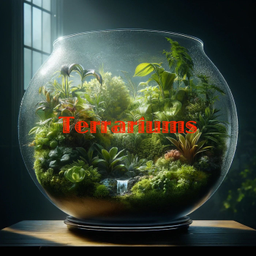
Podcast thumbnail for Terrariums

by Inception Point AI

5.0(2 reviews)
1 episodes
Updated Weekly
Accepts GuestsHas SponsorsLocation 🇬🇧

Podcast Overview

Terrariums: Bringing Nature's Beauty Indoors In a world where we find ourselves increasingly disconnected from the natural environment, terrariums offer a captivating way to bring a piece of the outdoors into our homes and workspaces. These self-contained, miniature ecosystems have a rich history and have captured the imagination of plant enthusiasts, artists, and scientists alike. From their accidental discovery in the 19th century to their contemporary resurgence, terrariums continue to enchant and inspire us with their beauty, diversity, and therapeutic benefits. A terrarium is essentially a transparent container that houses plants and creates a unique microclimate for them to thrive. The term "terrarium" is derived from the Latin word "terra," meaning earth, and "arium," denoting a place or container. This name aptly describes the essence of a terrarium – a small, enclosed world where plants grow and interact in a carefully crafted environment, mimicking the natural habitats from which they originate. The history of terrariums can be traced back to the early 19th century, with the accidental discovery of the Wardian Case by Dr. Nathaniel Bagshaw Ward, a London physician and amateur botanist. In 1829, Dr. Ward made a serendipitous observation when he placed a moth chrysalis in a sealed glass jar containing moist soil. After a few weeks, he noticed that fern spores and grass seeds had germinated within the jar, creating a miniature ecosystem that thrived without any additional watering or care. This discovery led to the development of the Wardian Case, a glass enclosure used for transporting delicate plants across long distances, revolutionizing the field of botany and horticulture. The Wardian Case allowed for the safe and successful transportation of exotic plants from their native habitats to various parts of the world, enabling botanical gardens and collectors to expand their collections and study flora from far-flung corners of the globe. During the Victorian Era, terrariums gained immense popularity as ornamental features in homes. Fern cases and Wardian cases became symbols of status and exotic curiosity, showcasing the Victorians' fascination with the natural world. The ability to cultivate and display lush, tropical plants in the comfort of one's home was a testament to the era's horticultural prowess and refined taste. These elaborate terrariums often featured intricate designs, ornate stands, and a carefully curated selection of plants that reflected the fashions and sensibilities of the time. However, interest in terrariums waned in the early 20th century, as changing tastes and the rise of modernism shifted the focus away from these Victorian-era treasures. It wasn't until the 1970s that terrariums experienced a resurgence in popularity, fueled by a growing interest in indoor gardening, environmental awareness, and the desire to bring nature closer to urban life. This renewed appreciation for terrariums coincided with the bro This content was created in partnership and with the help of Artificial Intelligence AI.

Language

🇺🇲

Publishing Since

4/19/2024

2 verified contact emails on file for Terrariums

Pitch yourself as a guest, propose sponsorships, or reach out directly to the host.

Recent Episodes

Episode thumbnail for Terrariums

April 19, 2024

Terrariums

Terrariums: Bringing Nature's Beauty Indoors <br />In a world where we find ourselves increasingly disconnected from the natural environment, terrariums offer a captivating way to bring a piece of the outdoors into our homes and workspaces. These self-contained, miniature ecosystems have a rich history and have captured the imagination of plant enthusiasts, artists, and scientists alike. From their accidental discovery in the 19th century to their contemporary resurgence, terrariums continue to enchant and inspire us with their beauty, diversity, and therapeutic benefits. <br />A terrarium is essentially a transparent container that houses plants and creates a unique microclimate for them to thrive. The term "terrarium" is derived from the Latin word "terra," meaning earth, and "arium," denoting a place or container. This name aptly describes the essence of a terrarium – a small, enclosed world where plants grow and interact in a carefully crafted environment, mimicking the natural habitats from which they originate. <br />The history of terrariums can be traced back to the early 19th century, with the accidental discovery of the Wardian Case by Dr. Nathaniel Bagshaw Ward, a London physician and amateur botanist. In 1829, Dr. Ward made a serendipitous observation when he placed a moth chrysalis in a sealed glass jar containing moist soil. After a few weeks, he noticed that fern spores and grass seeds had germinated within the jar, creating a miniature ecosystem that thrived without any additional watering or care. <br />This discovery led to the development of the Wardian Case, a glass enclosure used for transporting delicate plants across long distances, revolutionizing the field of botany and horticulture. The Wardian Case allowed for the safe and successful transportation of exotic plants from their native habitats to various parts of the world, enabling botanical gardens and collectors to expand their collections and study flora from far-flung corners of the globe. <br />During the Victorian Era, terrariums gained immense popularity as ornamental features in homes. Fern cases and Wardian cases became symbols of status and exotic curiosity, showcasing the Victorians' fascination with the natural world. The ability to cultivate and display lush, tropical plants in the comfort of one's home was a testament to the era's horticultural prowess and refined taste. These elaborate terrariums often featured intricate designs, ornate stands, and a carefully curated selection of plants that reflected the fashions and sensibilities of the time. <br />However, interest in terrariums waned in the early 20th century, as changing tastes and the rise of modernism shifted the focus away from these Victorian-era treasures. It wasn't until the 1970s that terrariums experienced a resurgence in popularity, fueled by a growing interest in indoor gardening, environmental awareness, and the desire to bring nature closer to urban life. This renewed appreciation for terrariums coincided with the broader back-to-nature movement and the rise of environmentalism, as people sought ways to reconnect with the natural world in the midst of an increasingly urbanized society. <br />Today, terrariums have once again captured the hearts of plant lovers worldwide, not only as decorative elements but also as therapeutic tools for relaxation and stress relief. The act of creating and tending to a terrarium has been shown to have numerous psychological and emotional benefits, providing a sense of calm, focus, and accomplishment in an often hectic and fast-paced world. <br />Terrariums come in various types, each with its unique characteristics and benefits. Closed terrariums, the most common and traditional form, feature a sealed container that creates a self-sustaining ecosystem. These terrariums are ideal for moisture-loving plants such as ferns, mosses, and tropical foliage, as the enclosed environment maintains high humidity levels and requires minimal...

1 total episodes available

Deep-dive analytics for Terrariums

Frequently asked questions

Have a different question and can't find the answer you're looking for? Reach out to our support team by sending us an email and we'll get back to you as soon as we can.

What is Terrariums?

Terrariums: Bringing Nature's Beauty Indoors In a world where we find ourselves increasingly disconnected from the natural environment, terrariums offer a captivating way to bring a piece of the outdoors into our homes and workspaces. These self-contained, miniature ecosystems have a rich history and have captured the imagination of plant enthusiasts, artists, and scientists alike. From their accidental discovery in the 19th century to their contemporary resurgence, terrariums continue to enchant and inspire us with their beauty, diversity, and therapeutic benefits. A terrarium is essentially a transparent container that houses plants and creates a unique microclimate for them to thrive. The term "terrarium" is derived from the Latin word "terra," meaning earth, and "arium," denoting a place or container. This name aptly describes the essence of a terrarium – a small, enclosed world where plants grow and interact in a carefully crafted environment, mimicking the natural habitats from which they originate. The history of terrariums can be traced back to the early 19th century, with the accidental discovery of the Wardian Case by Dr. Nathaniel Bagshaw Ward, a London physician and amateur botanist. In 1829, Dr. Ward made a serendipitous observation when he placed a moth chrysalis in a sealed glass jar containing moist soil. After a few weeks, he noticed that fern spores and grass seeds had germinated within the jar, creating a miniature ecosystem that thrived without any additional watering or care. This discovery led to the development of the Wardian Case, a glass enclosure used for transporting delicate plants across long distances, revolutionizing the field of botany and horticulture. The Wardian Case allowed for the safe and successful transportation of exotic plants from their native habitats to various parts of the world, enabling botanical gardens and collectors to expand their collections and study flora from far-flung corners of the globe. During the Victorian Era, terrariums gained immense popularity as ornamental features in homes. Fern cases and Wardian cases became symbols of status and exotic curiosity, showcasing the Victorians' fascination with the natural world. The ability to cultivate and display lush, tropical plants in the comfort of one's home was a testament to the era's horticultural prowess and refined taste. These elaborate terrariums often featured intricate designs, ornate stands, and a carefully curated selection of plants that reflected the fashions and sensibilities of the time. However, interest in terrariums waned in the early 20th century, as changing tastes and the rise of modernism shifted the focus away from these Victorian-era treasures. It wasn't until the 1970s that terrariums experienced a resurgence in popularity, fueled by a growing interest in indoor gardening, environmental awareness, and the desire to bring nature closer to urban life. This renewed appreciation for terrariums coincided with the bro

This content was created in partnership and with the help of Artificial Intelligence AI.

How often does this podcast release new episodes?

This podcast updates weekly.

Where can I listen to this podcast?

This podcast is available on 4 platforms including Apple Podcasts, Spotify, and more. You can also use the RSS feed directly.

Does this podcast accept guests?

Yes, this podcast regularly features guests.

Legal Disclaimer

Pod Engine is not affiliated with, endorsed by, or officially connected with any of the podcasts displayed on this platform. We operate independently as a podcast discovery and analytics service.

All podcast artwork, thumbnails, and content displayed on this page are the property of their respective owners and are protected by applicable copyright laws. This includes, but is not limited to, podcast cover art, episode artwork, show descriptions, episode titles, transcripts, audio snippets, and any other content originating from the podcast creators or their licensors.

We display this content under fair use principles and/or implied license for the purpose of podcast discovery, information, and commentary. We make no claim of ownership over any podcast content, artwork, or related materials shown on this platform. All trademarks, service marks, and trade names are the property of their respective owners.

While we strive to ensure all content usage is properly authorized, if you are a rights holder and believe your content is being used inappropriately or without proper authorization, please contact us immediately at hey@podengine.ai for prompt review and appropriate action, which may include content removal or proper attribution.

By accessing and using this platform, you acknowledge and agree to respect all applicable copyright laws and intellectual property rights of content owners. Any unauthorized reproduction, distribution, or commercial use of the content displayed on this platform is strictly prohibited.