
Discover the Italian approach to living well, where balance, beauty, and natural living are celebrated. This category explores the principles of la dolce vita, from the health benefits of the Mediterranean diet to Italy’s legendary spa culture. Learn about traditional wellness practices, skincare secrets, and ways to incorporate Italian philosophies of relaxation and self-care into your daily routine. With Wellness alla Italiana, embrace a lifestyle that prioritizes well-being and harmony.
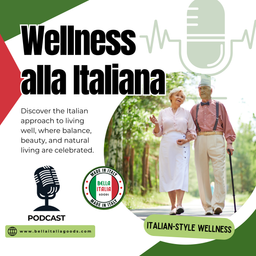
Wellness alla Italiana
Claim This Podcastby Bella Italia Goods
4 episodes
Updated Daily
Accepts GuestsHas SponsorsLocation 🇮🇹
Podcast Overview
Discover the Italian approach to living well, where balance, beauty, and natural living are celebrated. This category explores the principles of la dolce vita, from the health benefits of the Mediterranean diet to Italy’s legendary spa culture. Learn about traditional wellness practices, skincare secrets, and ways to incorporate Italian philosophies of relaxation and self-care into your daily routine. With Wellness alla Italiana, embrace a lifestyle that prioritizes well-being and harmony.
Language
🇺🇲
Publishing Since
10/21/2024
1 verified contact email on file for Wellness alla Italiana
Pitch yourself as a guest, propose sponsorships, or reach out directly to the host.
Recent Episodes
November 5, 2024
The Art of Aperitivo: Italy's Social and Culinary Tradition
In Italy, aperitivo is more than just a prelude to dinner - it's a cherished daily ritual that combines relaxation, socializing, and light, flavorful food and drink. The beauty of aperitivo is in its simplicity and versatility, welcoming everyone to take part in this unique Italian experience, whether in a bustling city bar or a quiet countryside café. Let's delve into the history, drinks, and foods that make aperitivo so beloved, along with some tips for recreating it at home.<br> The Origins of Aperitivo<br> The aperitivo tradition finds its roots in 18th-century northern Italy, particularly in the city of Turin, where Antonio Benedetto Carpano first created vermouth, a fortified wine infused with herbs and spices. Vermouth quickly became popular as a pre-dinner drink due to its appetite-stimulating qualities, sparking the aperitivo culture. Over time, the ritual spread to other regions, including Milan, which is now regarded as Italy's aperitivo capital.<br> The word "aperitivo" comes from the Latin word aperire, meaning "to open," symbolizing the opening of the appetite in anticipation of a meal. This isn't just about food and drink; it's about preparing the senses for the flavors to come, embracing the moment, and fostering social connection. Today, aperitivo is enjoyed across Italy, from glamorous bars to casual neighborhood spots, where friends, families, and even coworkers meet to unwind and share in this daily treat.<br> The Essential Aperitivo Drinks<br> Aperitivo drinks are crafted to be refreshing, light, and not too strong, keeping your senses sharp for the upcoming meal. They're usually slightly bitter or dry, designed to cleanse the palate rather than overwhelm it. Here are some classic choices:<br> 1. Aperol Spritz<br> The Aperol Spritz, with its vibrant orange hue, is arguably the most iconic aperitivo drink. It combines Aperol, prosecco, and a splash of soda for a bittersweet, effervescent refreshment that's perfect for warm evenings.<br> 2. Negroni<br> For those who like a stronger kick, the Negroni - made with gin, Campari, and sweet vermouth - is a bold choice. This cocktail has a deep, complex flavor profile, with a bitterness that lingers just long enough to keep you wanting more.<br> 3. Campari Soda<br> Simple but effective, Campari and soda is a classic Italian combination. The bitter Campari is softened by sparkling water, making for a refreshing drink that's low in alcohol but high in flavor.<br> 4. Americano<br> Similar to the Negroni but with a lighter twist, the Americano replaces gin with soda water, blending Campari and sweet vermouth. It's refreshing, slightly bitter, and easy to sip on a hot day.<br> 5. Hugo<br> Originating from northern Italy, the Hugo is a light, floral cocktail made with elderflower syrup, prosecco, and mint. Its delicate sweetness and bubbly nature make it a great option for those who prefer milder flavors.<br> Aperitivo Bites: The Perfect Pairings<br> No aperitivo is complete without food! These are not meals but rather small, flavorful bites that complement the drinks without overshadowing them. Italian aperitivo snacks vary from region to region, but a few popular staples can be found almost anywhere:<br> Olives and Nuts<br> These are aperitivo classics, providing the perfect balance of saltiness to accompany the bitterness of aperitivo drinks. Marinated olives with herbs, garlic, or citrus are an easy yet elegant choice, and they're often served with a handful of salted nuts.<br> Cheese and Charcuterie Boards<br> Italy's wide array of cheeses and cured meats makes the cheese and charcuterie board a centerpiece of aperitivo. Think prosciutto, mortadella, or speck paired with chunks of Parmigiano-Reggiano, creamy gorgonzola, and aged pecorino. The flavors are rich yet light enough to nibble on.<br> Bruschetta and Crostini<br> Crispy slices of bread topped with everything from tomatoes and basil to savory spreads like olive tapenade or chicken liver pâté are a must. Bruschetta and crostini are easy to eat with a drink in hand, and they provide the perfect can...
October 24, 2024
Deciphering Italian Food Certifications
Ah, Italy! A land where food is not just nourishment but an art form, a tradition, and a way of life. As passionate food lovers, we've embarked on a delightful journey to unravel the mysteries of Italian food certifications. Join us as we explore the labyrinth of labels, discover the top categories, and unveil the aspects and typical products for each designation.<br> Denominazione di Origine Protetta (DOP)<br> The "Protected Designation of Origin" is like the VIP lounge of Italian food certifications. Products with the DOP label are the crème de la crème, boasting unique characteristics tied to their geographical area.<br> This certification ensures that products are locally grown and processed within specific areas, adhering to traditional methods. DOP-certified products must follow strict production regulations and are subject to rigorous checks, which guarantee their quality and authenticity. This label is your assurance that you're experiencing a product deeply rooted in local tradition and environment.<br> Top Categories and Products:<br> Cheese: Parmigiano Reggiano, Gorgonzola, Pecorino Romano - each cheese is a reflection of its native soil, climate, and age-old production techniques.<br> Olive Oil: Toscano, Colline Salernitane, Terra di Bari - these oils are pressed from olives grown in illustrious groves, carrying the essence of their landscape.<br> Meat: Prosciutto di Parma, Speck Alto Adige, Capocollo di Calabria - cured using time-honored recipes, these meats are a festival of flavors.<br> Fruits and Vegetables: Pomodoro di Pachino, Carciofo Romanesco, Fagioli di Sarconi - embodying the freshness and diversity of Italian produce.<br> Vinegar: Aceto Balsamico Tradizionale di Modena - aged in wooden barrels, it's a symphony of sweet and acidic notes.<br> Indicazione Geografica Protetta (IGP)<br> The "Protected Geographical Indication" is the badge of honor for foods closely linked to their geographical origin, where at least one production or processing phase occurs.<br> While not as strict as DOP, IGP still ensures that at least one production phase occurs in the designated area. This designation helps to protect the reputation of the regional foods and promotes rural and agricultural development by providing a premium price to the producers. IGP is a testament to a product's reputation, characteristics, and quality that can be traced back to its geographic origin.<br> Top Categories and Products:<br> Meat Products: Mortadella Bologna, Bresaola della Valtellina - savory delights that echo the traditions of their regions.<br> Cheese: Asiago, Taleggio - cheeses that carry the distinct flavors and textures of their native pastures.<br> Fruits and Vegetables: Arancia Rossa di Sicilia, Limone di Sorrento - fruits bursting with the sun-kissed taste of Italy.<br> Bakery and Sweets: Pane di Altamura, Amaretti di Saronno - each bite tells a story of ancient baking traditions.<br> Olive Oil: Olio di Calabria, Veneto Valpolicella - liquid gold, embodying the essence of their terrains.<br> Denominazione di Origine Controllata e Garantita (DOCG)<br> The "Controlled and Guaranteed Designation of Origin" represents the pinnacle of quality for Italian wines, ensuring strict production methods and geographic authenticity.<br> This is the highest quality assurance label for Italian wines, indicating not only the area of production and the grapes used but also the strict adherence to specific winemaking procedures. DOCG wines are evaluated by a government-licensed committee before they can be bottled, ensuring that each bottle meets the highest standard of quality.<br> Top Categories and Products:<br> Red Wines: Barolo, Brunello di Montalcino - wines with robust flavors, aged to perfection.<br> White Wines: Vernaccia di San Gimignano, Franciacorta - offering a range of flavors from crisp to silky.<br> Sparkling Wines: Asti, Conegliano Valdobbiadene Prosecco - effervescent and festive, perfect for celebrations.<br> Dessert Wines: Vin Santo del Chianti, Moscato d'Asti - sweet and luscious, ideal for concluding a meal.<br> Denominazione di...
October 21, 2024
Italian Slow Food: Embracing Italy's Culinary Heritage
Italy isn't just a country; it's a lifestyle, and at the heart of that lifestyle is food. Not just any food, but food that's crafted with patience, love, and respect for ingredients and tradition. Enter the Slow Food movement, born in Italy as a response to the fast-food culture threatening the integrity of the country's cuisine. If you're ready to slow down, take a journey through Italian food culture, and savor every bite, keep reading.<br> This guide will walk you through the philosophy, history, and impact of Italian Slow Food, and introduce you to some must-try dishes and experiences along the way.<br> What is Slow Food?<br> Slow Food is a global movement that began in Italy in the late 1980s as a counter-response to the rise of fast-food culture. Founded by Carlo Petrini in Bra, a small town in Northern Italy, Slow Food's mission is to promote food that's "good, clean, and fair" - that is, food that tastes good, is produced without harming the environment, and ensures fair wages for those who produce it.<br> The movement celebrates traditional cooking methods, local ingredients, biodiversity, and ethical farming practices, advocating for a deeper connection between people and the food they consume.<br> But Slow Food is more than a set of principles; it's a way of life that invites you to connect with local farmers, understand where ingredients come from, and savor meals as cultural expressions. It's an antidote to the rushed, impersonal nature of fast food and has now grown into a worldwide movement with millions of followers in over 160 countries.<br> The Roots of Italian Slow Food<br> The Slow Food movement began in Italy as an act of resistance. When McDonald's attempted to open a location near Rome's iconic Spanish Steps, Italians were outraged. They saw it as a threat to their beloved culinary heritage. Carlo Petrini rallied locals, using the event as an opportunity to raise awareness about the importance of preserving Italy's traditional foods and regional specialties. Thus, Slow Food was born.<br> Since then, the movement has focused on preserving food traditions, protecting biodiversity, and promoting sustainable agriculture. Italy's regional cuisine is incredibly diverse, with each area having its own unique ingredients, recipes, and culinary customs. Slow Food became a way to celebrate this diversity while educating people on the cultural significance of these age-old practices.<br> Key Principles of Italian Slow Food<br> Italian Slow Food isn't just about taking your time with a meal. It's a holistic approach that combines taste, sustainability, and ethics. Here's a closer look at the core principles:<br> 1. Good: Quality food that's rich in flavor and connected to local culture.<br> 2. Clean: Food production methods that don't harm the environment and promote animal welfare.<br> 3. Fair: Fair wages and working conditions for everyone in the food chain, from farm to table.<br> These principles aren't just abstract ideas - they're woven into the very fabric of Italian Slow Food, shaping how people grow, prepare, and consume food across the country.<br> Regional Italian Foods Celebrated by the Slow Food Movement<br> Italy's culinary diversity is staggering, and each region has its own food traditions worth exploring. The Slow Food movement shines a spotlight on these regional specialties, helping them gain recognition and protection. Here are a few examples:<br> Piedmont: Known for rich dishes and earthy flavors, Piedmont is the birthplace of Slow Food. Bagna Cauda (a warm dip made from garlic, anchovies, and olive oil) and Agnolotti (small stuffed pasta) are celebrated local delicacies.<br> Emilia-Romagna: Home to some of Italy's most famous foods, including Parmigiano-Reggiano cheese, Balsamic Vinegar of Modena, and Prosciutto di Parma. Each of these ingredients is produced through time-honored methods and carries a unique, authentic taste.<br> Sicily: Sicily's cuisine reflects its diverse cultural history. The Slow Food movement highlights dishes like Pasta alla Norma (pasta with ...
4 total episodes available
Deep-dive analytics for Wellness alla Italiana
Frequently asked questions
Have a different question and can't find the answer you're looking for? Reach out to our support team by sending us an email and we'll get back to you as soon as we can.
- What is Wellness alla Italiana?
- How often does this podcast release new episodes?
This podcast updates daily.
- Where can I listen to this podcast?
This podcast is available on 4 platforms including Apple Podcasts, Spotify, and more. You can also use the RSS feed directly.
- Does this podcast accept guests?
No, this podcast does not typically feature guests.
Legal Disclaimer
Pod Engine is not affiliated with, endorsed by, or officially connected with any of the podcasts displayed on this platform. We operate independently as a podcast discovery and analytics service.
All podcast artwork, thumbnails, and content displayed on this page are the property of their respective owners and are protected by applicable copyright laws. This includes, but is not limited to, podcast cover art, episode artwork, show descriptions, episode titles, transcripts, audio snippets, and any other content originating from the podcast creators or their licensors.
We display this content under fair use principles and/or implied license for the purpose of podcast discovery, information, and commentary. We make no claim of ownership over any podcast content, artwork, or related materials shown on this platform. All trademarks, service marks, and trade names are the property of their respective owners.
While we strive to ensure all content usage is properly authorized, if you are a rights holder and believe your content is being used inappropriately or without proper authorization, please contact us immediately at hey@podengine.ai for prompt review and appropriate action, which may include content removal or proper attribution.
By accessing and using this platform, you acknowledge and agree to respect all applicable copyright laws and intellectual property rights of content owners. Any unauthorized reproduction, distribution, or commercial use of the content displayed on this platform is strictly prohibited.