- 14
- Episodes
- 2
- Ratings
- 2025
- First episode
About Work, But Make It Human
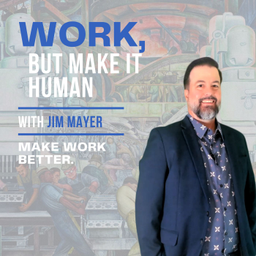
Work, But Make it Human explores the people side of leadership with a focus on emotional intelligence, communication, and culture-building strategies that apply across all industries. Each episode breaks down practical insights for creating healthier, more productive workplaces where people thrive. Whether you're leading a small team or driving change at the organizational level, this podcast equips you with tools to lead with empathy and impact.
- Publisher
- Jim Mayer
- Category
- business
- Language
- en
- Explicit
- No
- First episode
- 16 Jan 2025
- Latest episode
- 9 Apr 2026
Latest episodes
14 episodes in the feed.
9 Apr 2026
What Got You Here Will Not Get You There | Aron Kolosik
In this episode, Jim Mayer and Aron Kolosik discuss the evolving landscape of leadership in the manufacturing industry, emphasizing the importance of mentorship, personal sustainability, and the need for a human-centric approach to work. They explore the challenges of traditional leadership models, the impact of always-on expectations, and the loneliness often felt by leaders. The conversation highlights the significance of caring in leadership, the necessity of mental health awareness, and the generational shifts in workplace expectations. Ultimately, they advocate for a more intentional and supportive work environment that fosters growth and well-being. Takeaways Leadership should prioritize mentorship and clarity. Always-on expectations can hinder productivity and creativity. Caring for employees leads to better performance. Loneliness in leadership is a common experience. Personal sustainability is crucial for effective leadership. Investing in leadership development is essential for growth. Mental health awareness is vital in the workplace. Generational differences impact workplace dynamics. Job hopping reflects a lack of support, not a lack of commitment. Breathing techniques can significantly improve mental clarity. Chapters 00:00 Introduction to Human-Centric Work 01:38 Challenging Traditional Leadership Models 02:19 The Ridiculousness of Always-On Expectations 05:11 The Loneliness of Leadership 08:42 Operational vs. Personal Sustainability 09:44 The Importance of Mentorship 15:12 Caring as the Foundation of Leadership 17:12 Building Capability and Systems 18:24 Mental Health and Stress Management 22:27 The Cost of Leadership Success 25:37 The Importance of Leadership Development 29:16 The Skills Gap in Leadership 33:14 Generational Perspectives on Work 40:32 Living Life to the Fullest 46:13 Investing in Leadership and Personal Growth
2 Apr 2026
Why AI Slop Is Destroying Your Brand Before Buyers Even Find You | Alex Cairns
In this conversation, Jim Mayer and Alex Cairns explore the complexities of B2B marketing, focusing on how to make the buying process more human. They discuss the misconceptions surrounding buyer behavior, the evolution of buyer expectations, and the importance of emotional connections in decision-making. Alex introduces his Eight Moves framework, designed to simplify marketing strategies for complex industries, while also addressing the overwhelming number of marketing frameworks available today. The discussion highlights the critical role of trust in digital interactions and the impact of AI on traditional marketing practices. Ultimately, they emphasize the need for alignment between marketing and sales to create a more effective and human-centered buying experience. Takeaways Real people navigate high-stakes, complex buying decisions. The world of work includes customers and suppliers, not just employees. Buyers today want credibility and proof, not just sales pitches. The buyer journey has transformed dramatically in recent years. Establishing trust digitally is more challenging than in-person interactions. Emotional connections are undervalued in B2B marketing. The Eight Moves framework helps simplify complex marketing strategies. There is an overwhelming number of marketing frameworks available. Buyers complete a significant portion of their journey before contacting sales. AI can complicate the marketing landscape if not used thoughtfully. Chapters 00:00 Navigating Complex B2B Decisions 04:21 Misconceptions in Buyer Behavior 08:17 Patterns in Buyer Behavior 11:36 The Emotional Aspect of B2B Marketing 13:37 The Eight Moves Framework 15:58 Overwhelmed by Options 19:16 Building Digital Trust 22:59 The Buyer Journey 25:17 Centering Humanity in Marketing 29:01 AI's Impact on B2B Marketing 35:15 Redesigning B2B Marketing for Humanity 37:15 Aligning Marketing and Sales
26 Mar 2026
Is Burnout Real or Are We Using the Wrong Word? | Jennifer Watson
In this episode of "Work But Make It Human," host Jim Mayer welcomes Jennifer Watson, a seasoned life coach and entrepreneur, to discuss the pressing issues of burnout and stress in the workplace. Jennifer emphasizes the importance of recognizing that what many perceive as burnout may actually be a distortion of stress, stemming from a lack of tools to manage workplace challenges. She shares her journey from running a successful physical therapy practice to focusing on executive coaching, highlighting the need for leaders to prioritize human connection and emotional intelligence in their teams. Jennifer outlines her audacious goal of supporting one million leaders by providing them with the necessary tools to navigate the complexities of modern work environments. She advocates for a shift in workplace policies, particularly around vacation time and work hours, arguing that the traditional nine-to-five model is outdated and detrimental to employee well-being. Throughout the conversation, she offers practical insights on how leaders can foster a healthier work culture by being more attuned to their own emotional states and those of their teams, ultimately leading to improved productivity and job satisfaction. Takeaways Burnout is often a distortion of stress, not the actual condition. Leaders need to prioritize emotional intelligence to better support their teams. Workplace policies should evolve beyond the traditional nine-to-five model. Taking breaks and allowing for vacation time can enhance productivity. Self-awareness is crucial for leaders to effectively manage their own stress and that of their teams. Chapters 00:00 Introduction to Jennifer Watson 01:48 Setting Audacious Goals for 2026 05:14 Ridiculous Workplace Policies 09:28 Understanding Burnout vs. Distortion Under Stress 17:45 Emotional Intelligence in Leadership 27:00 Trusting Your Body and Emotions
19 Mar 2026
People Do What They're Incentivized to Do | Dr. Chuck DeBettignies
In this episode of 'Work But Make It Human', host Jim Mayer and Dr. Chuck DeBettignies discuss the complexities of incentive systems in the workplace, particularly focusing on gainsharing. They explore how aligning incentives with company performance can enhance employee motivation and productivity, while also addressing the importance of clear communication and specificity in management. The conversation delves into the balance between profitability and employee experience, the role of technology in manufacturing, and the significance of building trust through transparency. Dr. Chuck shares insights on creating a culture of care and the necessity of setting realistic targets for gainsharing to be effective. The episode concludes with practical advice for companies looking to implement gainsharing and improve workplace dynamics. Takeaways Incentive systems can either help or harm employee motivation. Specificity in communication is crucial for effective management. Gainsharing aligns employee rewards with overall company performance. Building trust requires transparency and visibility in actions. Employees want to feel part of something bigger than themselves. Setting realistic targets is essential for successful gainsharing. Technology can enhance productivity and employee engagement. A culture of care can be fostered through shared goals. Employees are more motivated when they see the impact of their work. Companies often underestimate their potential for alignment. Chapters 00:00 Introduction to Incentive Systems 03:05 Understanding Gainsharing 06:46 The Importance of Specificity in Communication 10:08 Balancing Profitability and Employee Experience 12:24 Management Attitudes Towards Gainsharing 16:06 Creating a Sense of Belonging in the Workplace 18:45 Addressing Employee Concerns and Feedback 20:25 Setting Realistic Targets for Gainsharing 22:05 The Importance of Rewards in Business 24:31 Leveraging Technology for Manufacturing Success 27:06 Building Trust Through Visibility 31:09 Navigating Inflation with Gainsharing 39:07 Aligning Rewards with Company Goals
12 Mar 2026
Don't Hire a Coach Who Isn't Being Coached | Amos Balongo
In this conversation, Jim Mayer and Amos Balongo explore the critical role of effective communication in leadership. They discuss the common pitfalls leaders face when their messages do not resonate with their teams, the importance of cultural sensitivity, and the need for continuous personal growth. Amos shares insights from his experiences working with leaders across various industries and cultures, emphasizing the necessity of authenticity and adaptability in communication. The discussion also highlights the generational shifts in workplace communication and the importance of being proactive in leadership to avoid blindsiding employees with unexpected changes. Takeaways Leaders often fail due to miscommunication. Effective communication requires understanding the audience. Cultural sensitivity is crucial in global communication. Assumed communication can lead to misunderstandings. Continuous growth is essential for effective leadership. Authenticity builds trust in leadership. Communication should be simplified for clarity. Leaders must prepare their teams for changes. Fluid organizational culture adapts to new challenges. Empathy in communication fosters better team dynamics. Chapters 00:00 The Communication Gap in Leadership 09:06 Understanding Communication Complexities 17:33 Cultural Sensitivity in Communication 26:10 Navigating Leadership Challenges 34:36 The Importance of Continuous Growth
5 Mar 2026
The Impact of Work on Identity and Worth w/ George Pesansky
In this conversation, Jim Mayer and George Pesansky explore the complexities of work, leadership, and employee engagement. They discuss the importance of human-centered leadership, the role of frontline leaders, and the impact of efficiency metrics on workplace culture. George shares insights from his extensive experience coaching professionals across the globe, emphasizing the need for empathy and respect in leadership. The discussion also touches on the challenges faced by middle managers and the significance of employee experience in driving engagement and performance. Takeaways Work impacts our identity and sense of worth. Talent, not time, is crucial for changing outcomes. Frontline leadership is often overlooked but vital. High performers excel in empathy and support. Efficiency metrics can undermine human-centered leadership. Engagement is a leading indicator of workplace health. AI should be a tool, not a replacement for human interaction. Good leaders surround themselves with diverse talents. Chasing experiences can lead to greater success than money. Transformative leadership is rooted in respect and understanding. Chapters 00:00 The Human Element in Work 04:54 Global Insights on Leadership 09:22 The Role of High Performers 13:53 Efficiency vs. Human-Centered Leadership 18:27 The Importance of Employee Experience 23:10 Engagement as a Leading Indicator 27:39 Navigating the Challenges of Middle Management 32:20 Transformative Leadership and Coaching 36:58 The Path to Operational Excellence 41:20 Final Thoughts on Leadership and Experience
26 Feb 2026
From Funnels to Foundations, How We Rethink Workplace Culture w/ Ian Wilson
In this conversation, Jim Mayer and Ian Wilson explore the concept of workplace culture, emphasizing the need to shift from traditional conversion funnels to a more human-centered approach. They discuss the importance of understanding culture as a flowing entity that starts from purpose and values, and how it can be diagnosed and improved. The discussion highlights the courage required for cultural change, the significance of leadership in fostering a healthy culture, and the practical steps leaders can take to create a supportive environment for their teams. Takeaways Every company claims people are their greatest asset. The culture funnel is a metaphor for understanding workplace dynamics. Culture should flow from purpose to values to behavior. Leadership must engage with culture at all levels. Courage is essential for addressing cultural issues. The keystone metaphor emphasizes foundational strength in culture. Diagnosing cultural health requires looking at behaviors and attitudes. Leaders should stop pushing and start holding up their teams. Resistance to cultural change often stems from fear and insecurity. Cultural change has a tangible ROI that impacts employee satisfaction. Chapters 00:00 The Culture Funnel: A New Perspective 02:36 Rethinking Culture: From Funnels to Foundations 04:59 The Flow of Culture: Upward and Outward 08:33 The Cost of Conversion Metrics 11:26 Courage in Cultural Change 16:31 The Keystone Concept: Building Strong Foundations 23:26 Diagnosing Cultural Health 27:49 Pushing vs. Holding: Leadership Strategies 30:44 Breaking Through Resistance 39:08 The ROI of Cultural Change
19 Feb 2026
Transforming Teams through Humor w/ Kevin Hubschmann
In this episode of 'Work But Make It Human', Jim Mayer and Kevin Hubschmann discuss the significance of laughter and play in workplace culture. They explore how humor can break down barriers, foster connections, and create a psychologically safe environment for employees. Kevin shares insights from his experiences in various work cultures, emphasizing the importance of authenticity and leadership in shaping a positive work environment. The conversation also touches on the pitfalls of traditional team-building exercises and the need for innovative approaches to employee engagement. Takeaways Laughter is essential for workplace culture. Creating a positive work environment requires authenticity. Psychological safety allows employees to be themselves. Leadership plays a crucial role in shaping culture. Team-building exercises should foster genuine connections. Avoid polling teams for decisions on engagement activities. Embrace the five to nine personality at work. Comedy can enhance professional development. Creating memories is key to team bonding. Eliminate negative language in workplace conversations. Chapters 00:00 The Importance of Laughter in the Workplace 03:37 Creating a Positive Work Culture 08:01 Transforming Team Dynamics through Humor 11:08 Identifying Cultural Issues in Teams 16:12 Ensuring Psychological Safety in Improv 18:39 The Role of Leadership in Team Engagement 23:23 Understanding Session Dynamics 24:28 The Impact of Team Building Exercises 30:58 Exploring the Nine to Five vs. Five to Nine Personalities 39:18 Creating Authentic Work Environments 44:20 Making Work More Human
15 Aug 2025
When Shift Leads Fight: Is It Time for a Workplace Reality Show?
In this episode of 'Work But Make It Human', Jim Mayer and Craig Coyle explore the complexities of workplace conflict, particularly in manufacturing environments. They discuss a case study involving two shifts locked in a silent war, highlighting the importance of emotional intelligence, leadership strategies, and the need for clear communication and collaboration. The conversation emphasizes the significance of establishing a shared mission and values to foster a positive work culture and prevent conflicts. Craig shares insights from his military background, advocating for proactive leadership and the necessity of creating a supportive environment for all employees. Takeaways Workplace conflicts are common and need to be addressed. Leadership requires understanding both technical and people skills. Creating a shared mission can unify teams. Conflict resolution involves understanding multiple perspectives. Regular communication is essential to prevent misunderstandings. Values should be lived, not just stated. Small incremental changes can lead to significant improvements. Collaboration is more effective than compromise. Leaders must be intentional in their communication. Positive resistance can transform workplace dynamics. Chapters 00:00 Introduction to Workplace Challenges 02:32 Understanding Personality Conflicts 05:24 Craig Coyle's Background and Insights 08:58 Case Study: The Silent War on the Manufacturing Floor 17:12 Analyzing the Breakdown of Trust 26:04 Strategies for Resolution and Prevention 31:02 Leadership Vacuum and Its Consequences 33:13 The Impact of Stress on Leadership 35:54 Filling the Leadership Messaging Vacuum 40:42 Creating a Unified Mission Statement 45:00 Sustaining Change in Leadership 49:27 Collaboration vs. Compromise in Leadership 53:22 Implementing Small Incremental Changes Reach out to Craig on LinkedIn (https://www.linkedin.com/in/craig-coyle/)
13 Feb 2025
Retention Costs a Fortune. This Skill Costs Nothing.
Most leaders don’t think about recognition—until their best people start leaving. And by then? It’s too late. Employee retention is a multi-billion dollar problem—companies pour money into salaries, perks, and engagement programs. But none of it works if people don’t feel valued, seen, and appreciated. Recognition isn’t just a “nice-to-have.” It’s a necessity. In this episode of Work, But Make It Human, Jim Mayer breaks down: ✔ Why lack of recognition is a top reason employees quit (even when pay is great) ✔ How recognition impacts morale, productivity, and retention ✔ Why recognition should be a daily habit, not an HR initiative ✔ How to make recognition specific, meaningful, and culture-driven ✔ Simple, no-cost ways to show appreciation that actually work If you want to keep your best people, build a stronger culture, and create a workplace where people actually want to stay—this episode is for you. Want to start putting this into action? Download the free Recognition Toolkit: https://themfgconnector.com/resources/ols/products/ep-4-recognition-toolkit Chapters 00:00 – Why Recognition Is the Leadership Skill No One Talks About Most companies focus on pay and perks—but the real reason people stay (or leave) is recognition. 06:15 – The Science Behind Recognition & Retention Studies show that people don’t leave bad jobs, they leave feeling undervalued. Recognition changes that. 10:02 – What Real Recognition Looks Like (and What It Doesn’t) Recognition isn’t about participation trophies. It’s about specific, meaningful appreciation. 14:20 – How Leaders Can Build a Culture of Recognition Simple ways to make recognition a leadership habit—without spending a dime. 18:35 – Your Challenge: One Thank You Per Day If you’re serious about keeping your best people, start here.
7 Feb 2025
No Excuses, No Blame
No Excuses, No Blame Accountability isn’t about pointing fingers—it’s about owning outcomes. Too often, workplace accountability turns into a blame game. Leaders demand accountability from their teams but fail to model it themselves. Fear of failure silences employees. Mistakes get hidden instead of fixed. And ultimately, trust erodes. Great leaders don’t just talk about accountability—they live it. In this episode of Work, But Make It Human, Jim Mayer breaks down what real accountability looks like in leadership. He explores how leaders can create a culture where accountability isn’t feared but embraced—and why psychological safety is the key to making it happen. What You’ll Learn in This Episode: Why accountability is about ownership, not blame How fear-based leadership kills accountability (and engagement) The connection between psychological safety and true accountability How to build a culture where leaders and employees own their actions 📥 Want to take action? Download the free Accountability Toolkit: https://themfgconnector.com/resources/ols/products/ep-3-accountability-toolkit (https://themfgconnector.com/resources/ols/products/ep-3-accountability-toolkit) Chapters 00:00 – Understanding Accountability in Leadership Jim breaks down what real accountability means and why most leaders get it wrong. 07:29 – The Culture of Accountability: Breaking the Cycle Why accountability often turns into a blame game—and how to shift toward ownership and trust. 08:55 – Implementing Accountability: Steps to Success Practical steps for leaders and teams to build a culture where accountability drives success, not fear.
30 Jan 2025
The Leadership Skill That Separates the Best From the Rest
What’s the difference between a leader people want to follow and one they tolerate? Emotional intelligence. The best leaders don’t just manage tasks—they understand people. They know how to read the room, regulate their emotions, and create trust instead of fear. And here’s the best part: emotional intelligence isn’t something you’re born with—it’s a skill you can develop. In this episode, Jim Mayer breaks down the five key components of emotional intelligence and how to apply them in leadership. You’ll learn why self-awareness, self-regulation, motivation, empathy, and social skills separate the best leaders from the rest—and why ignoring these skills leads to high turnover, disengaged teams, and toxic workplaces. What You’ll Learn in This Episode Why emotional intelligence matters more than IQ in leadership The five components of emotional intelligence (and how to master them) How fear-based leadership destroys culture—and what to do instead Practical strategies to develop emotional intelligence starting today Chapters 00:00 – Core Skill: What Emotional Intelligence Really Means Jim opens with a reality check: technical skills and IQ alone won’t make you a great leader—emotional intelligence is what sets the best apart. 02:15 – The Way It’s Always Been Done: Why Leadership Without EI Fails For decades, leadership was about authority, control, and leaving emotions out of business. The problem? That approach fuels burnout, disengagement, and high turnover. 08:05 – The Five Components of Emotional Intelligence Jim breaks down the core elements of EI: self-awareness, self-regulation, motivation, empathy, and social skills—explaining how each impacts leadership effectiveness. 11:54 – Applying Emotional Intelligence in the Workplace Real-world strategies for improving emotional intelligence, building trust, and creating an engaged, high-performing team. 15:48 – The Challenge: Leading With Emotional Intelligence Jim wraps up with a challenge: pay attention to how emotions shape your workplace this week, and take one small action to lead with more awareness and empathy. Bonus Resource Get the free Emotional Intelligence Toolkit to assess and strengthen your leadership skills. Download it here (https://themfgconnector.com/resources/ols/products/emotional-intelligence-toolkit) Listen now and start leading with impact.
23 Jan 2025
The Leadership Superpower That Changes Everything
Think you’re a great listener? Think again. In this episode of Work, But Make It Human, Jim Mayer uncovers the leadership skill that’s often overlooked but has the power to transform everything—active listening. Listening isn’t just about hearing words; it’s about understanding the emotions, intentions, and meaning behind them. Through personal stories, practical tips, and hard-earned lessons, Jim explains why active listening is essential for building trust, connection, and engagement in the workplace. He breaks down the common traps leaders fall into—like “listening to respond” instead of truly hearing—and shares actionable strategies to start listening better today. What You’ll Learn in This Episode: Why most of us overestimate our listening skills. The critical difference between hearing and active listening. How leaders who prioritize listening build stronger teams and deeper trust. 7 actionable steps to improve your listening skills right now. This episode also includes a free downloadable resource to help you evaluate and enhance your listening habits. Ready to unlock the leadership superpower that changes everything? Chapters 00:00 – Why Most Leaders Think They’re Great Listeners (But Aren’t) Jim opens with a hard truth: most of us aren’t as good at listening as we think. He sets the stage for why active listening is critical and shares the history behind the concept. 02:15 – What Active Listening Really Means Explore the key principles of active listening, from being fully present to understanding emotions and nonverbal cues. 04:00 – The Hidden Costs of Poor Listening Jim shares the consequences of dismissive, surface-level, and transactional listening—and how it disengages teams and damages trust. 06:42 – How to Practice Active Listening Step-by-step strategies to sharpen your listening skills, including tips for managing distractions, embracing silence, and asking the right questions. 10:51 – From Multitasking to Mindful Leadership A personal story about Jim’s shift from distracted to intentional listening—and how it strengthened his team. 13:15 – The Challenge to Lead Like It Matters Jim wraps up with a challenge: identify someone in your life who deserves your undivided attention and commit to listening without distractions. Resource for Leaders: Download the Active Listening Toolkit (https://themfgconnector.com/resources/ols/products/ep-1-active-listening-toolkit) to evaluate your listening habits and build deeper connections today: themfgconnector.com (https://themfgconnector.com). This isn’t just about improving conversations—it’s about transforming how you lead.
16 Jan 2025
Human-Centered Leadership: Redefining What It Means to Lead
Welcome to the Pilot Episode of Work, But Make It Human What if leadership wasn’t about power, control, or metrics, but about how you treat people? In this debut episode, Jim Mayer introduces Work, But Make It Human, a podcast that challenges outdated leadership norms and offers a new way forward—one rooted in empathy, humanity, and connection. Through candid storytelling, Jim reflects on the lessons learned from both great and toxic leaders. He dives into the data that proves human-centered leadership isn’t just a feel-good idea—it’s a business imperative. Packed with practical tools and a free resource, this episode is your first step toward becoming a leader who transforms not just results but also the workplace experience for your team. What You’ll Learn: Why traditional, control-driven leadership is broken—and how it’s failing your team. The power of empathy, active listening, and emotional intelligence to drive engagement and success. Real-world data on why prioritizing people leads to higher retention, productivity, and profitability. Practical strategies to lead with humanity starting today. Episode Chapters: 00:00 – What Is Work, But Make It Human? Jim challenges traditional leadership norms and introduces the concept of leading with empathy, humanity, and connection. 03:15 – Lessons from Broken Leadership Through personal stories, Jim reveals how toxic leadership damages trust, engagement, and results—and how better leadership can turn it around. 06:42 – The Data Behind Empathy Explore compelling statistics that prove human-centered leadership drives retention, engagement, and profitability. 08:58 – Practical Tools to Lead Better Today Jim outlines actionable strategies to prioritize people in your leadership approach, including a free self-check resource. 10:45 – The Challenge to Lead Like It Matters Jim wraps up with a call to action, encouraging listeners to rethink their leadership style and embrace the transformative power of humanity. Resource for Leaders: Download the Human-Centered Leadership Self-Check and start leading with intention today: themfgconnector.com (https://themfgconnector.com/resources/ols/categories/episode-free-resources).
Reach and audience
Public platform figures. Ratings count people who left a rating, not total listeners.
- Apple Podcasts (US)
- 5.0 / 5
- 2 ratings
Podcast Authority Score: 1 / 100
A composite of feed quality, social presence, YouTube performance and engagement. Read the methodology.
- Quality
- 2
- Social presence
- 0
- YouTube
- 0
- Engagement
- 0
Host of Work, But Make It Human?
Claim your podcast to manage its listing and keep your show details accurate.
Pod Engine is an independent podcast discovery and analytics service and is not affiliated with or endorsed by this podcast. Artwork and show content belong to their owners. Full legal notice.
Explore this show
Podcast research with Pod Engine