- 169
- Episodes
- 8
- Ratings
- 2022
- First episode
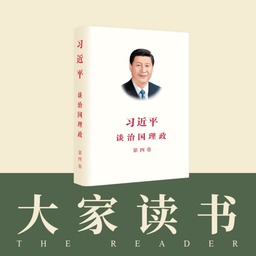
About 《习近平谈治国理政》第四卷中英文版——大家读书
“大家读书”听书节目,由中国外文局所属外文出版社、煦方国际公司联合出品。邀大家同读、同听、同学习《习近平谈治国理政》第四卷中英文版。 《习近平谈治国理政》第四卷,由中央宣传部(国务院新闻办公室)会同中央党史和文献研究院、中国外文局编辑,由外文出版社以中英文版出版,面向海内外发行。
- Publisher
- 视界中国
- Category
- government · news
- Language
- zh
- Explicit
- No
- First episode
- 13 Oct 2022
- Latest episode
- 17 May 2023
Latest episodes
169 episodes in the feed.
17 May 2023
张宁 | 以科学理论为指导,为全面建设社会主义现代化国家提供有力法治保障
嘉宾简介: 张宁,新疆人民广播电台故事广播播音指导。 党的十八大以来,党中央明确提出全面依法治国,并将其纳入“四个全面”战略布局予以有力推进。党的十八届四中全会专门进行研究,作出关于全面推进依法治国若干重大问题的决定。党的十九大召开后,党中央组建中央全面依法治国委员会,从全局和战略高度对全面依法治国又作出一系列重大决策部署,推动我国社会主义法治建设发生历史性变革、取得历史性成就。我们把“中国共产党领导是中国特色社会主义最本质的特征”写入宪法,完善党领导立法、保证执法、支持司法、带头守法制度,党对全面依法治国的领导更加坚强有力。我们完善顶层设计,统筹推进法律规范、法治实施、法治监督、法治保障和党内法规体系建设,全面依法治国总体格局基本形成。我们推进重要领域立法,深化法治领域改革,推进法治政府建设,建立国家监察机构,改革完善司法体制,加强全民普法,深化依法治军,推进法治专门队伍建设,坚决维护社会公平正义,依法纠正一批冤错案件,全面依法治国实践取得重大进展。 当前和今后一个时期,推进全面依法治国,要全面贯彻落实党的十九大和十九届二中、三中、四中、五中全会精神,围绕建设中国特色社会主义法治体系、建设社会主义法治国家的总目标,坚持党的领导、人民当家作主、依法治国有机统一,以解决法治领域突出问题为着力点,坚定不移走中国特色社会主义法治道路,在法治轨道上推进国家治理体系和治理能力现代化,为全面建设社会主义现代化国家、实现中华民族伟大复兴的中国梦提供有力法治保障。要重点抓好以下工作。 第一,坚持党对全面依法治国的领导。党的领导是推进全面依法治国的根本保证。我们党是世界最大的执政党,领导着世界上人口最多的国家,如何掌好权、执好政,如何更好把14亿人民组织起来、动员起来全面建设社会主义现代化国家,是一个始终需要高度重视的重大课题。历史是最好的教科书,也是最好的清醒剂。我们党领导社会主义法治建设,既有成功经验,也有失误教训。特别是十年内乱期间,法制遭到严重破坏,党和人民付出了沉重代价。“文化大革命”结束后,邓小平同志把这个问题提到关系党和国家前途命运的高度,强调“必须加强法制。必须使民主制度化、法律化”。正反两方面的经验告诉我们,国际国内环境越是复杂,改革开放和社会主义现代化建设任务越是繁重,越要运用法治思维和法治手段巩固执政地位、改善执政方式、提高执政能力,保证党和国家长治久安。 全党同志都必须清醒认识到,全面依法治国决不是要削弱党的领导,而是要加强和改善党的领导。要健全党领导全面依法治国的制度和工作机制,推进党的领导制度化、法治化,通过法治保障党的路线方针政策有效实施。要坚持依法治国和依规治党有机统一,确保党既依据宪法法律治国理政,又依据党内法规管党治党、从严治党。 2015年,我在中央政治局常委会听取最高人民法院和最高人民检察院党组工作汇报、在省部级主要领导干部学习贯彻党的十八届四中全会精神全面推进依法治国专题研讨班开班式等场合都明确指出,“党大还是法大”是一个政治陷阱,是一个伪命题;对这个问题,我们不能含糊其辞、语焉不详,要明确予以回答。党的领导和依法治国不是对立的,而是统一的。我国法律充分体现了党和人民意志,我们党依法办事,这个关系是相互统一的关系。全党同志必须牢记,党的领导是我国社会主义法治之魂,是我国法治同西方资本主义国家法治最大的区别。离开了党的领导,全面依法治国就难以有效推进,社会主义法治国家就建不起来。 当然,我们说不存在“党大还是法大”的问题,是把党作为一个执政整体、就党的执政地位和领导地位而言的,具体到每个党政组织、每个领导干部,就必须服从和遵守宪法法律。有些事情要提交党委把握,但这种把握不是私情插手,不是包庇性的干预,而是一种政治性、程序性、职责性的把握。这个界线一定要划分清楚。 第二,坚持以人民为中心。全面依法治国最广泛、最深厚的基础是人民,必须坚持为了人民、依靠人民。要把体现人民利益、反映人民愿望、维护人民权益、增进人民福祉落实到全面依法治国各领域全过程,保证人民在党的领导下通过各种途径和形式管理国家事务、管理经济文化事业、管理社会事务,保证人民依法享有广泛的权利和自由、承担应尽的义务。 推进全面依法治国,根本目的是依法保障人民权益。随着我国经济社会持续发展和人民生活水平不断提高,人民群众对民主、法治、公平、正义、安全、环境等方面的要求日益增长,要积极回应人民群众新要求新期待,坚持问题导向、目标导向,树立辩证思维和全局观念,系统研究谋划和解决法治领域人民群众反映强烈的突出问题,不断增强人民群众获得感、幸福感、安全感,用法治保障人民安居乐业。 第三,坚持中国特色社会主义法治道路。我说过,我们要坚持的中国特色社会主义法治道路,本质上是中国特色社会主义道路在法治领域的具体体现;我们要发展的中国特色社会主义法治理论,本质上是中国特色社会主义理论体系在法治问题上的理论成果;我们要建设的中国特色社会主义法治体系,本质上是中国特色社会主义制度的法律表现形式。我们既要立足当前,运用法治思维和法治方式解决经济社会发展面临的深层次问题;又要着眼长远,筑法治之基、行法治之力、积法治之势,促进各方面制度更加成熟更加定型,为党和国家事业发展提供长期性的制度保障。 自古以来,我国形成了世界法制史上独树一帜的中华法系,积淀了深厚的法律文化。中华法系形成于秦朝,到隋唐时期逐步成熟,《唐律疏议》是代表性的法典,清末以后中华法系影响日渐衰微。与大陆法系、英美法系、伊斯兰法系等不同,中华法系是在我国特定历史条件下形成的,显示了中华民族的伟大创造力和中华法制文明的深厚底蕴。中华法系凝聚了中华民族的精神和智慧,有很多优秀的思想和理念值得我们传承。出礼入刑、隆礼重法的治国策略,民惟邦本、本固邦宁的民本理念,天下无讼、以和为贵的价值追求,德主刑辅、明德慎罚的慎刑思想,援法断罪、罚当其罪的平等观念,保护鳏寡孤独、老幼妇残的恤刑原则,等等,都彰显了中华优秀传统法律文化的智慧。近代以后,不少人试图在中国照搬西方法治模式,但最终都归于失败。历史和现实告诉我们,只有传承中华优秀传统法律文化,从我国革命、建设、改革的实践中探索适合自己的法治道路,同时借鉴国外法治有益成果,才能为全面建设社会主义现代化国家、实现中华民族伟大复兴夯实法治基础。 有一点要明确,我们推进全面依法治国,决不照搬别国模式和做法,决不走西方所谓“宪政”、“三权鼎立”、“司法独立”的路子。实践证明,我国政治制度和法治体系是适合我国国情和实际的制度,具有显著优越性。在这个问题上,我们要有自信、有底气、有定力。事实教育了我们的人民群众,人民群众越来越自信。 面对突如其来的疫情,我们始终坚持坚定信心、同舟共济、科学防治、精准施策的总要求。2月5日,我就主持召开中央全面依法治国委员会第三次会议,在疫情防控关键时刻专门部署依法防控疫情工作,我特别强调,疫情防控越是到了最吃劲的时候,越要坚持依法防控,在法治轨道上统筹推进各项防控工作。各地区各部门从立法、执法、司法、普法、守法各环节全面发力,严格按照法定权限和程序实施区域封锁、病人隔离、交通管控、遗体处置等措施,严厉打击妨害疫情防控的违法犯罪行为,依法化解涉疫矛盾纠纷,为疫情防控取得重大战略成果提供了有力法治保障。 第四,坚持依宪治国、依宪执政。宪法是国家的根本法,具有最高的法律效力。党领导人民制定宪法法律,领导人民实施宪法法律,党自身要在宪法法律范围内活动。全国各族人民、一切国家机关和武装力量、各政党和各社会团体、各企业事业组织,都必须以宪法为根本的活动准则,都负有维护宪法尊严、保证宪法实施的职责。任何组织和个人都不得有超越宪法法律的特权,一切违反宪法法律的行为都必须予以追究。 党的十八届四中全会明确提出,坚持依法治国首先要坚持依宪治国,坚持依法执政首先要坚持依宪执政。我们讲依宪治国、依宪执政,同西方所谓“宪政”有着本质区别,不能把二者混为一谈。坚持依宪治国、依宪执政,就包括坚持宪法确定的中国共产党领导地位不动摇,坚持宪法确定的人民民主专政的国体和人民代表大会制度的政体不动摇。 维护国家法治统一,是一个严肃的政治问题。我国是单一制国家,维护国家法治统一至关重要。2015年立法法修改,赋予设区的市地方立法权,地方立法工作有了积极进展,总体情况是好的,但有的地方也存在违背上位法规定、立法“放水”等问题,影响很不好。要加强宪法实施和监督,推进合宪性审查工作,对一切违反宪法法律的法规、规范性文件必须坚决予以纠正和撤销。同时,地方立法要有地方特色,需要几条就定几条,能用三五条解决问题就不要搞“鸿篇巨制”,关键是吃透党中央精神,从地方实际出发,解决突出问题。 第五,坚持在法治轨道上推进国家治理体系和治理能力现代化。法治是国家治理体系和治理能力的重要依托。只有全面依法治国才能有效保障国家治理体系的系统性、规范性、协调性,才能最大限度凝聚社会共识。 新中国成立70多年来,我国之所以创造出经济快速发展、社会长期稳定“两大奇迹”,同我们不断推进社会主义法治建设有着十分紧密的关系。这次应对新冠肺炎疫情,我们坚持在法治轨道上统筹推进疫情防控和经济社会发展工作,依法维护社会大局稳定,有序推进复工复产,我国疫情防控取得重大战略成果,我国将成为今年全球唯一恢复经济正增长的主要经济体。在统筹推进伟大斗争、伟大工程、伟大事业、伟大梦想的实践中,在全面建设社会主义现代化国家新征程上,我们要更加重视法治、厉行法治,更好发挥法治固根本、稳预期、利长远的保障作用,坚持依法应对重大挑战、抵御重大风险、克服重大阻力、解决重大矛盾。 第六,坚持建设中国特色社会主义法治体系。中国特色社会主义法治体系是推进全面依法治国的总抓手。要加快形成完备的法律规范体系、高效的法治实施体系、严密的法治监督体系、有力的法治保障体系,形成完善的党内法规体系。要坚持依法治国和以德治国相结合,实现法治和德治相辅相成、相得益彰。 “治国无其法则乱,守法而不变则衰。”要加快完善中国特色社会主义法律体系,使之更加科学完备、统一权威。党的十八大以来,全国人大及其常委会通过宪法修正案,制定法律48件,修改法律203件次,作出法律解释9件,通过有关法律问题和重大问题的决定79件次。截至目前,现行有效法律282件、行政法规608件,地方性法规12000余件。民法典为其他领域立法法典化提供了很好的范例,要总结编纂民法典的经验,适时推动条件成熟的立法领域法典编纂工作。要研究丰富立法形式,可以搞一些“大块头”,也要搞一些“小快灵”,增强立法的针对性、适用性、可操作性。 要积极推进国家安全、科技创新、公共卫生、生物安全、生态文明、防范风险、涉外法治等重要领域立法,健全国家治理急需的法律制度、满足人民日益增长的美好生活需要必备的法律制度,填补空白点、补强薄弱点。数字经济、互联网金融、人工智能、大数据、云计算等新技术新应用快速发展,催生一系列新业态新模式,但相关法律制度还存在时间差、空白区。网络犯罪已成为危害我国国家政治安全、网络安全、社会安全、经济安全等的重要风险之一。 第七,坚持依法治国、依法执政、依法行政共同推进,法治国家、法治政府、法治社会一体建设。全面依法治国是一个系统工程,要整体谋划,更加注重系统性、整体性、协同性。依法治国、依法执政、依法行政是一个有机整体,关键在于党要坚持依法执政、各级政府要坚持依法行政。法治国家、法治政府、法治社会相辅相成,法治国家是法治建设的目标,法治政府是建设法治国家的重点,法治社会是构筑法治国家的基础。 我多次强调,推进全面依法治国,法治政府建设是重点任务和主体工程,对法治国家、法治社会建设具有示范带动作用,要率先突破。现在,法治政府建设还有一些难啃的硬骨头,依法行政观念不牢固、行政决策合法性审查走形式等问题还没有根本解决。要用法治给行政权力定规矩、划界限,规范行政决策程序,健全政府守信践诺机制,提高依法行政水平。要根据新发展阶段的特点,围绕推动高质量发展、构建新发展格局,加快转变政府职能,加快打造市场化、法治化、国际化营商环境,打破行业垄断和地方保护,打通经济循环堵点,推动形成全国统一、公平竞争、规范有序的市场体系。 行政执法工作面广量大,一头连着政府,一头连着群众,直接关系群众对党和政府的信任、对法治的信心。要推进严格规范公正文明执法,提高司法公信力。近年来,我们整治执法不规范、乱作为等问题,取得很大成效。同时,一些地方运动式、“一刀切”执法问题仍时有发生,执法不作为问题突出。强调严格执法,让违法者敬法畏法,但绝不是暴力执法、过激执法,要让执法既有力度又有温度。要加强省市县乡四级全覆盖的行政执法协调监督工作体系建设,强化全方位、全流程监督,提高执法质量。 全民守法是法治社会的基础工程。普法工作要紧跟时代,在针对性和实效性上下功夫,落实“谁执法谁普法”普法责任制,特别是要加强青少年法治教育,不断提升全体公民法治意识和法治素养,使法治成为社会共识和基本准则。要强化依法治理,培育全社会办事依法、遇事找法、解决问题用法、化解矛盾靠法的法治环境。 古人说:“消未起之患、治未病之疾,医之于无事之前。”法治建设既要抓末端、治已病,更要抓前端、治未病。我国国情决定了我们不能成为“诉讼大国”。我国有14亿人口,大大小小的事都要打官司,那必然不堪重负!要推动更多法治力量向引导和疏导端用力,完善预防性法律制度,坚持和发展新时代“枫桥经验”,完善社会矛盾纠纷多元预防调处化解综合机制,更加重视基层基础工作,充分发挥共建共治共享在基层的作用,推进市域社会治理现代化,促进社会和谐稳定。 第八,坚持全面推进科学立法、严格执法、公正司法、全民守法。要继续推进法治领域改革,解决好立法、执法、司法、守法等领域的突出矛盾和问题。 公平正义是司法的灵魂和生命。要深化司法责任制综合配套改革,加强司法制约监督,完善人员分类管理,健全司法职业保障,规范司法权力运行,提高司法办案质量和效率。要健全社会公平正义法治保障制度,努力让人民群众在每一个司法案件中感受到公平正义。要继续完善公益诉讼制度,有效维护社会公共利益。党的十八大以来,党中央确定的一些重大改革事项,健全纪检监察机关、公安机关、检察机关、审判机关、司法行政机关各司其职,侦查权、检察权、审判权、执行权相互配合的体制机制等,要紧盯不放,真正一抓到底,抓出实效。 近年来,司法腐败案件集中暴露出权力制约监督不到位问题。一些人通过金钱开路,几乎成了法外之人,背后有政法系统几十名干部为其“打招呼”、“开路条”,监督形同虚设。要加快构建规范高效的制约监督体系,坚决破除“关系网”、斩断“利益链”,让“猫腻”、“暗门”无处遁形。 2018年1月起,为期3年的扫黑除恶专项斗争在全国展开。扫黑除恶专项斗争把打击黑恶势力和“打伞破网”一体推进,清除了一批害群之马。近3年来打掉的涉黑组织相当于前10年的总和,对黑恶势力形成了强大震慑。要继续依法打击破坏社会秩序的违法犯罪行为,特别是要推动扫黑除恶常态化,持之以恒、坚定不移打击黑恶势力及其保护伞,让城乡更安宁、群众更安乐。 第八,坚持统筹推进国内法治和涉外法治。法治是国家核心竞争力的重要内容。当前,世界百年未有之大变局加速演变,和平与发展仍然是时代主题,但国际环境不稳定性不确定性明显上升,新冠肺炎疫情大流行影响广泛深远。我国不断发展壮大,日益走近世界舞台中央。要加快涉外法治工作战略布局,协调推进国内治理和国际治理,更好维护国家主权、安全、发展利益。要加快形成系统完备的涉外法律法规体系,提升涉外执法司法效能。要引导企业、公民在走出去过程中更加自觉地遵守当地法律法规和风俗习惯,运用法治和规则维护自身合法权益。要注重培育一批国际一流的仲裁机构、律师事务所,把涉外法治保障和服务工作做得更有成效。 我们要坚定维护以联合国为核心的国际体系,坚定维护以国际法为基础的国际秩序,坚定维护以联合国宪章宗旨和原则为基础的国际法基本原则和国际关系基本准则。对不公正不合理、不符合国际格局演变大势的国际规则、国际机制,要提出改革方案,推动全球治理变革,推动构建人类命运共同体。 第九,坚持建设德才兼备的高素质法治工作队伍。全面推进依法治国,首先要把专门队伍建设好。要加强理想信念教育,深入开展社会主义核心价值观和社会主义法治理念教育,推进法治专门队伍革命化、正规化、专业化、职业化,确保做到忠于党、忠于国家、忠于人民、忠于法律。 对法治专门队伍的管理必须坚持更严标准、更高要求。一些执法司法人员手握重器而不自重,贪赃枉法、徇私枉法,办“金钱案”、“权力案”、“人情案”,严重损害法治权威。要制定完善铁规禁令、纪律规定,用制度管好关键人、管到关键处、管住关键事。要坚决清查贪赃枉法、对党不忠诚不老实的人,深查执法司法腐败。最近,政法系统开展队伍教育整顿试点工作,查处了一批害群之马,得到广大群众好评。要巩固和扩大试点工作成果,坚持零容忍,敢于刀刃向内、刮骨疗毒。 法律服务队伍是全面依法治国的重要力量。总体而言,这支队伍是好的,但也存在不少问题,有的热衷于“扬名逐利”,行为不端、诚信缺失、形象不佳;极个别法律从业人员政治意识淡薄,甚至恶意攻击我国政治制度和法治制度。要把拥护中国共产党领导、拥护我国社会主义法治作为法律服务人员从业的基本要求,加强教育、管理、引导,引导法律服务工作者坚持正确政治方向,依法依规诚信执业,认真履行社会责任,满腔热忱投入社会主义法治国家建设。要推进法学院校改革发展,提高人才培养质量。要加大涉外法学教育力度,重点做好涉外执法司法和法律服务人才培养、国际组织法律人才培养推送工作,更好服务对外工作大局。 第十,坚持抓住领导干部这个“关键少数”。领导干部具体行使党的执政权和国家立法权、行政权、监察权、司法权,是全面依法治国的关键。各级领导干部要坚决贯彻落实党中央关于全面依法治国的重大决策部署,带头尊崇法治、敬畏法律,了解法律、掌握法律,不断提高运用法治思维和法治方式深化改革、推动发展、化解矛盾、维护稳定、应对风险的能力,做尊法学法守法用法的模范。要把法治素养和依法履职情况纳入考核评价干部的重要内容,让尊法学法守法用法成为领导干部自觉行为和必备素质。 同志们!深入推进全面依法治国,必须坚持党的集中统一领导。各级党委和政府要加强对法治建设的组织领导,重大部署、重要任务、重点工作要抓在手上,确保落到实处。要深入贯彻党的十九届五中全会精神,将“十四五”时期经济社会发展和法治建设同步谋划、同步部署、同步推进。党中央即将印发法治中国建设规划和法治社会建设实施纲要,新的法治政府建设实施纲要也将很快出台,各级党委和政府要抓紧抓实抓好。各条战线各个部门要强化法治观念,严格依法办事,不断提高各领域工作法治化水平。法治工作部门要全面履职尽责。中央依法治国办要履行统筹协调、督促检查、推动落实的职责,及时发现问题,推动研究解决。要力戒形式主义、官僚主义,确保全面依法治国各项任务真正落到实处。 推进全面依法治国是国家治理的一场深刻变革,必须以科学理论为指导,加强理论思维,从理论上回答为什么要全面依法治国、怎样全面依法治国这个重大时代课题,不断从理论和实践的结合上取得新成果,总结好、运用好党关于新时代加强法治建设的思想理论成果,更好指导全面依法治国各项工作。
15 May 2023
沈凌 | Adapt Marxism to China's Realities and Keep It Up-to-Date
嘉宾简介: 沈凌,中共中央党校(国家行政学院)文史教研部外国语言与文化教研室副主任。主要研究方向包括:英国语言与文化研究、政党政治和文化比较研究。 英文文本: To stay at the forefront of the times, a nation must always be guided by the right theories and thoughts. How does the CPC succeed? Why does Chinese socialism work? Because Marxism works. Because Marxism is adapted by the CPC to the Chinese context, kept up-to-date, and employed to guide our cause. In the resolution, we have a comprehensive review of how the Party has adapted Marxism to China's realities and kept it fresh over a period of 100 years, which is the main thrust of the resolution and which we must study earnestly and understand fully. Marxism points the way for advancing human society. It is a powerful theoretical weapon for us to understand the world and its underlying trends, seek the truth, and change the world. Marxism is not a set of rigid dogmas, but a guide to action that must evolve as the situation changes. Whether Marxism can serve its guiding role depends on whether its basic tenets are adapted to the conditions in China and the features of the times. In a fast-changing world and a fast-growing country, we cannot be fettered to old conventions and rigid thinking, and we must be bold enough to update our theory. If we cannot answer questions concerning the present and future of China and its people and the wider world, we will lose momentum in advancing the cause of the Party and the country, Marxism will wither, and people will lose faith in it. What contemporary China is experiencing is an innovative social transformation unique in history. In this context, the magnitude of our tasks to advance reform and development and to maintain stability, the multitude of problems, risks, and challenges we face, and the difficulties involved in the governance of the country are all unprecedented. As the world experiences change on a scale unseen in a century, a plethora of questions need to be answered in theory and in practice. We need to gain a keen appreciation of the underlying trends of the times, and stand boldly at the forefront of human development. We should listen to the people, respond to their needs, continue to free our minds, seek truth from facts, and maintain the right political direction and break new ground. We should develop Marxism while upholding its basic tenets, combine them with the best of our traditional culture, and apply them in Chin's context, so that Marxism can continue to work in solving problems in China in the new era. The Party's history over the past century tells us that for the cause of the Party and the people to progress, we must have a thorough understanding of the principal challenge facing our society and properly identify our central task. Only when this is done can the cause of the Party and the people progress smoothly. Otherwise our cause will suffer setbacks. The resolution presents a full analysis of the Party's strengths in focusing on China's principal challenge and central task when advancing work on all fronts. An important theme of the resolution is the review of how the Party has studied and understood the principal challenge and central task over the past century. We should pay particular attention to this when we study the resolution to ensure that we understand it fully. When dealing with complex situations and difficult problems, or tasked with a demanding workload, no one will do well by trying to attend to major and minor issues at one and the same time. We should have a good knowledge of the overall situation, and know full well what challenges we face. Then we will focus on the principal challenge and the central task, and address the main aspects of the principal challenge first, hence laying the groundwork for the solution of other problems. By making breakthroughs in key areas we will drive overall economic development and social progress to a new level, and come closer to the goal of developing China into a great modern socialist country in all respects. Strategic issues are fundamental to a political party and a country. Accurate judgment and sensible planning help us gain the strategic initiative crucial to the success of the cause of the Party and the people. At every critical moment over the past hundred years the Party has responded to crucial issues of historical significance from a strategic perspective, making sound assessments and defining political strategies accordingly. This has ensured our success in dealing with numerous risks and challenges along the way. The resolution summarizes how the Party has always attached great importance to strategies and tactics, and how it has conceived sound strategies and tactics in the century since its founding. It is an important part of the resolution that we must study earnestly; we must ensure we understand it fully. Strategic thinking is all about judgment and decision-making. It requires us to take into consideration the overall situation, long-term interests and underlying trends. Ours is a major political party governing a large country and working for a great cause. We must be able to think strategically and plan accordingly. A sound strategy is to be executed through proper tactics, which are dictated by the former and serve the former. They are in a dialectical relationship, in which the strategy stays consistent while the tactics can be flexible. In planning their work and devising policy measures, local authorities and government departments should make sure that their work plans, arrangements and policy decisions conform with the Party's theories, guidelines, principles and policies, and they must correct any deviation as soon as it appears. Strategic decisions made by the Party Central Committee must be enforced fully, faithfully and unconditionally. Over the past hundred years, our Party has led the people to victory after victory, and its vigor and vitality have never been diluted by hardships or obstacles. It has won the people's support because it faces its own shortcomings squarely, has the courage to correct itself, and always maintains its progressive and wholesome nature. In increasing its creativity, cohesiveness and capabilities, the CPC has preserved its character as a Marxist political party. The resolution gives a full review of the Party's experience in self-governance and self-reform, to which the Party has paid great attention and in which it has made steady progress over the past hundred years. This is an important thread going through the resolution that we must study earnestly to ensure we understand it fully. To maintain our nature as a Marxist political party under new circumstances, we must be self-driven, know clearly for whom we exercise governance and power and for whose interests we work, and take a firm stance on these fundamental issues. All Party members must have political integrity, observe the code of conduct in public office, and apply high moral standards in their private lives. They should be clean and honest in office and in private life, work selflessly and diligently for the public, live frugally to cultivate morality, and maintain political integrity. The key to self-reform is to have the will to admit our own shortcomings and the courage to redress them. Now, our fight against corruption has secured an overwhelming victory on strong founda- tions, but we cannot allow ourselves any respite. We must remain committed to self-reform, and persevere in the never-ending journey of full and rigorous governance of the Party. We must continue to improve Party conduct, build clean government, and fight corruption to the end in the spirit of “leaving our mark in the steel we grasp and our print on the stone we tread”. Not for one minute will we let our guard drop in this prolonged, uphill battle. There will be zero tolerance for anyone who violates Party discipline and the law. In the resolution, there is a full review of the education campaign on CPC history, which calls on the whole Party to uphold a materialist approach to history and adopt a correct outlook on our Party's history. We should learn from our history to know why we succeeded in the past, and see how we can continue to succeed in the future. This will help strengthen our resolve in fulfilling our founding mission, and in upholding and developing Chinese socialism in the new era. The education campaign on CPC history is an important political initiative launched at the Sixth Plenary Session of the 19th CPC Central Committee, and should be implemented in full. The Party's third resolution on its history reflects new perspectives on our understanding. We should pay special attention to them while studying the resolution, in order to have a better understanding of the Party's achievements and experience over the past hundred years. The education campaign has been a success. We must take stock of the successful experience gained from the campaign and turn it into a regular and institutionalized practice so that the results can be consolidated and extended. The whole Party should focus on studying and implementing the guiding principles of the Sixth Plenary Session of the 19th CPC Central Committee, and drive the education campaign on CPC history to new heights, so as to have a better understanding of our cause, firmer commitment to our ideals, higher standards of integrity, and greater determination to turn what has been gained from studying history into concrete actions. All Party members should study Party history, reflect on our guiding principles, do solid work, and break new ground. They should arm themselves with the Party's new theories and enforce the Central Committee's decisions and plans. We should study the resolution in earnest, so as to understand the Party's glorious history, its perseverance in fulfilling its founding mission, the significance and experience of its hundred-year struggle, and the importance of building a better future by drawing on history. Through study sessions of the theory study groups in Party committees and Party leadership groups, officials should take the lead in studying history on a regular basis. We should also leverage training institutions for officials to promote the study of Party history. Party history should be made a compulsory course for Party schools (academies of governance) and executive leadership academies for every semester. Party history should also be made available as part of school courses on moral and political education for young students to learn in classrooms, so that students can learn sound values and ethics. We should take advantage of our revolutionary heritage, strengthen education on our traditions and on patriotism to cultivate moral integrity in young people, and inspire society to love the Party and the country. Through the mechanisms established in the campaign “I do solid work for the people”, Party organizations and members should continue to help solve problems that concern the people most, and carry our Party's mass line into the new era.
9 May 2023
张洁 | 促进我国社会保障事业高质量发展、可持续发展
嘉宾简介: 张洁,中华女子学院(全国妇联干部培训学院)文化传播与艺术学院党总支书记兼副院长,教育部“公益传媒人才培养体系构建与实践”课题负责人,国家级大学生创业创新项目《孤独症儿童社交语言康复》指导教师。 今天,中央政治局进行第二十八次集体学习,内容是完善覆盖全民的社会保障体系。安排这次学习,目的是面向“十四五”时期发展目标任务,分析我国社会保障体系建设的现状,研究存在的问题,明确完善的思路,促进我国社会保障事业高质量发展、可持续发展。 社会保障是保障和改善民生、维护社会公平、增进人民福祉的基本制度保障,是促进经济社会发展、实现广大人民群众共享改革发展成果的重要制度安排,发挥着民生保障安全网、收入分配调节器、经济运行减震器的作用,是治国安邦的大问题。 我们党历来高度重视民生改善和社会保障。早在1922年,党的二大宣言中就提出了设立工厂保险、保护失业工人等改良工人待遇的主张。瑞金时期颁布的《中华苏维埃共和国劳动法》设专章规定了社会保险问题。新中国成立伊始,政务院根据《中国人民政治协商会议共同纲领》中“逐步实行劳动保险制度”的要求,于1951年颁布《中华人民共和国劳动保险条例》。改革开放后,我们把社会保障作为改善人民生活的基础民生工程,稳步推进社会保障体系建设,取得了重大进展。 党的十八大以来,党中央把社会保障体系建设摆上更加突出的位置,推动我国社会保障体系建设进入快车道。中央政治局会议、中央政治局常委会会议、中央全面深化改革委员会会议等会议多次研究审议改革和完善基本养老保险制度总体方案、深化医疗保障制度改革意见等,对我国社会保障体系建设作出顶层设计,改革的系统性、整体性、协同性进一步增强。我们统一城乡居民基本养老保险制度,实现机关事业单位和企业养老保险制度并轨,建立企业职工基本养老保险基金中央调剂制度。我们整合城乡居民基本医疗保险制度,全面实施城乡居民大病保险,组建国家医疗保障局。我们推进全民参保计划,降低社会保险费率,划转部分国有资本充实社保基金。我们积极发展养老、托幼、助残等福利事业,人民群众不分城乡、地域、性别、职业,在面对年老、疾病、失业、工伤、残疾、贫困等风险时都有了相应制度保障。 目前,我国以社会保险为主体,包括社会救助、社会福利、社会优抚等制度在内,功能完备的社会保障体系基本建成,基本医疗保险覆盖13.6亿人,基本养老保险覆盖近10亿人,是世界上规模最大的社会保障体系。这为人民创造美好生活奠定了坚实基础,为打赢脱贫攻坚战提供了坚强支撑,为如期全面建成小康社会、实现第一个百年奋斗目标提供了有利条件。 在充分肯定成绩的同时,我们也要看到,随着我国社会主要矛盾发生变化和城镇化、人口老龄化、就业方式多样化加快发展,我国社会保障体系仍存在不足,主要是:制度整合没有完全到位,制度之间转移衔接不够通畅;部分农民工、灵活就业人员、新业态就业人员等人群没有纳入社会保障,存在“漏保”、“脱保”、“断保”的情况;政府主导并负责管理的基本保障“一枝独大”,而市场主体和社会力量承担的补充保障发育不够;社会保障统筹层次有待提高,平衡地区收支矛盾压力较大;城乡、区域、群体之间待遇差异不尽合理;社会保障公共服务能力同人民群众的需求还存在一定差距;一些地方社保基金存在“穿底”风险。对这些不足,我们必须高度重视并切实加以解决。 党的十九届五中全会为我国未来5年乃至15年的发展擘画了蓝图,要求推动全体人民共同富裕取得更为明显的实质性进展。社会保障关乎人民最关心最直接最现实的利益问题,我们要加大再分配力度,强化互助共济功能,把更多人纳入社会保障体系,为广大人民群众提供更可靠更充分的保障,不断满足人民群众多层次多样化需求,完善覆盖全民、统筹城乡、公平统一、可持续的多层次社会保障体系,进一步织密社会保障安全网。 第一,建设中国特色社会保障体系。世界各国发展水平、社会条件、文化特征不同,社会保障制度必然多种多样。我们注重学习借鉴国外社会保障有益经验,但不是照抄照搬、简单复制,而是立足国情、积极探索、大胆创新,成功建设了具有鲜明中国特色的社会保障体系。我们坚持发挥中国共产党领导和我国社会主义制度的政治优势,集中力量办大事,推动社会保障事业行稳致远;坚持人民至上,坚持共同富裕,把增进民生福祉、促进社会公平作为发展社会保障事业的根本出发点和落脚点,使改革发展成果更多更公平惠及全体人民;坚持制度引领,围绕全覆盖、保基本、多层次、可持续等目标加强社会保障体系建设;坚持与时俱进,用改革的办法和创新的思维解决发展中的问题,坚决破除体制机制障碍,推动社会保障事业不断前进;坚持实事求是,既尽力而为又量力而行,把提高社会保障水平建立在经济和财力可持续增长的基础之上,不脱离实际、超越阶段。我们要坚持和发展这些成功经验,不断总结,不断前进。 第二,科学谋划“十四五”乃至更长时期社会保障事业。党的十九届五中全会明确了“十四五”时期我国社会保障事业发展的蓝图,要逐条逐项深入研究,纳入规划,抓好落实。要坚持系统观念,把握好新发展阶段、新发展理念、新发展格局提出的新要求,在统筹推进“五位一体”总体布局、协调推进“四个全面”战略布局中思考和谋划社会保障事业发展。要树立战略眼光,顺应人民对高品质生活的期待,适应人的全面发展和全体人民共同富裕的进程,不断推动幼有所育、学有所教、劳有所得、病有所医、老有所养、住有所居、弱有所扶取得新进展。要增强风险意识,研判未来5年、15年乃至30年我国人口老龄化、人均预期寿命提升、受教育年限增加、劳动力结构变化等发展趋势,分析社会保障可能面临的新情况新问题,提高工作预见性和主动性,未雨绸缪采取应对措施。要拓展国际视野,关注国外社会保障发展情况,汲取经验教训,既避免像一些国家那样盲目进行“福利赶超”落入“中等收入陷阱”,又避免像一些国家那样实行“泛福利化”导致社会活力不足。什么时候都不能忘记一个道理,经济发展和社会保障是水涨船高的关系,水浅行小舟,水深走大船,违背规律就会搁浅或翻船。 第三,深化社会保障制度改革。现在,我国社会保障制度改革已进入系统集成、协同高效的阶段。要准确把握社会保障各个方面之间、社会保障领域和其他相关领域之间改革的联系,提高统筹谋划和协调推进能力,确保各项改革形成整体合力。要强化问题导向,紧盯老百姓在社会保障方面反映强烈的烦心事、操心事、揪心事,紧盯制约社会保障体系建设的硬骨头,不断推进改革。要加快发展多层次、多支柱养老保险体系,健全基本养老、基本医疗保险筹资和待遇调整机制,扩大年金制度覆盖范围,规范发展第三支柱养老保险,积极发展商业医疗保险,更好满足人民群众多样化需求。要推动基本医疗保险、失业保险、工伤保险省级统筹,进一步明确中央与地方事权和支出责任。要把农村社会救助纳入乡村振兴战略统筹谋划,健全农村社会救助制度,完善日常性帮扶措施。要健全农民工、灵活就业人员、新业态就业人员参加社会保险制度,健全退役军人保障制度,健全老年人关爱服务体系,完善帮扶残疾人、孤儿等社会福利制度。 2018年以来,我们实施了养老保险中央调剂金制度,仅去年一年,东部发达地区就拿出了1768亿元,拨付给中西部和老工业基地省份,有力缓解了社保基金收支的区域结构性矛盾,确保了养老金按时足额发放。同时,区域不平衡的问题还没有从根本上解决,要加快实现基本养老保险全国统筹。这符合社会保险“大数法则”,也是构建新发展格局的要求。 随着人口老龄化加速发展特别是老年人慢性病患病率的提高,加上医疗技术发展,更多疾病从“无药可医”变为“可医可控”,医保支出面临着更大压力。要坚持不懈、协同推进“三医联动”,健全筹资和待遇调整机制,推进国家组织药品和耗材集中带量采购改革,深化医保支付方式改革,完善医药服务价格形成机制,提高医保基金使用效能。 近年来,许多人口老龄化程度较高的发达国家和新兴国家都推出了延迟法定退休年龄的改革计划,但实施起来并不太顺利。一些国家在这项改革上经历了波折。我们要合理把握改革方向、节奏、力度,加强舆论引导,最大程度凝聚全社会共识和合力,推动这项改革任务平稳落地。 第四,推进社会保障法治化。要从立法、执法、司法、守法各环节加强社会保障工作,在法治轨道上推动社会保障事业健康发展。要加强社会保障立法工作,加快制定或修订社会保险、社会救助、社会福利等方面的相关法律,依法落实各级政府和用人单位、个人、社会的社会保障权利、义务、责任。要依法健全社会保障基金监管体系,防范化解基金运行风险,维护基金安全。要以零容忍态度严厉打击欺诈骗保、套保或挪用贪占各类社会保障资金的违法行为,守护好人民群众的每一分“养老钱”、“保命钱”和每一笔“救助款”、“慈善款”。 第五,加强社会保障精细化管理。要完善从中央到省、市、县、乡镇(街道)的五级社会保障管理体系和服务网络,在提高管理精细化程度和服务水平上下更大功夫,提升社会保障治理效能。要适应人口大规模流动、就业快速变动的趋势,完善社会保险关系登记和转移接续的措施,健全社会救助、社会福利对象精准认定机制,实现应保尽保、应助尽助、应享尽享。要完善全国统一的社会保险公共服务平台,充分利用互联网、大数据、云计算等信息技术创新服务模式,深入推进社保经办数字化转型。同时,要坚持传统服务方式和智能化服务创新并行,针对老年人、残疾人等群体的特点,提供更加贴心暖心的社会保障服务。 第六,发挥好社会保障在应对疫情影响方面的积极作用。去年以来,面对突如其来的新冠肺炎疫情,社会保障为打赢疫情防控的人民战争、总体战、阻击战和实现决胜全面建成小康社会、决战脱贫攻坚目标任务作出了贡献。当前,全球疫情仍在扩散蔓延,我国“外防输入、内防反弹”任务仍然很重。要发挥好社会保障在助力疫情防控、稳定经济社会发展秩序中的作用。要根据形势好转变化,稳妥退出减免社保缴费等阶段性纾困政策,并同其他政策退出平稳衔接。要总结这次疫情防控的成功做法,完善我国社会保障针对突发重大风险的应急响应机制,既能抵御可以预见的生老病死等各种常规风险,又能应对难以预料的非常规风险。 最后,我强调一个问题,就是要坚持制度的统一性和规范性。我国社会保障体系建立之初,我们鼓励各地大胆创新、不断探索。现在,随着我国社会保障体系不断发展,社会保障体系建设要坚持国家顶层设计,做到全国一盘棋。要增强制度的刚性约束,加强对制度运行的管理监督。各地区务必树立大局意识,严肃落实制度改革要求,不得违规出台地方“小政策”。可以允许一定时期内存在区域间社会保障水平上的差异,但不能动摇统一制度的目标,不能自行其是、搞变通。各级党委和政府要深化对社会保障工作重要性的认识,把握规律,统筹协调,抓好党中央决策部署和各项改革方案的贯彻落实,在完善覆盖全民的社会保障体系上不断取得新成效。
Reach and audience
Public platform figures. Ratings count people who left a rating, not total listeners.
- Apple Podcasts (US)
- 2.0 / 5
- 8 ratings
Contact 《习近平谈治国理政》第四卷中英文版——大家读书
- Guest appearances
- Books guests
Based on episode analysis; this does not confirm that the show is currently accepting guests.
Shows with a similar audience


Host of 《习近平谈治国理政》第四卷中英文版——大家读书?
Claim your podcast to manage its listing and keep your show details accurate.
Pod Engine is an independent podcast discovery and analytics service and is not affiliated with or endorsed by this podcast. Artwork and show content belong to their owners. Full legal notice.
Explore this show
Podcast research with Pod Engine