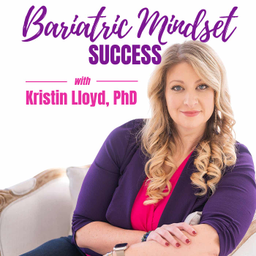
Bariatric Mindset® Success Podcast
Kristin Lloyd, PhD
5.0from 6 ratings
- 21
- Episodes
- 6
- Ratings
- 2025
- First episode
About Bariatric Mindset® Success Podcast
Welcome to Bariatric Mindset® Success — the podcast for weight loss surgery patients who know that surgery is just the beginning. Hosted by Dr. Kristin Lloyd, psychotherapist, mindset coach, and bariatric success expert, this show dives deep into the emotional, behavioral, and psychological layers of long-term weight loss and well-being after bariatric surgery. If you’re ready to heal your relationship with food, your body, and yourself — this is your space. From overcoming emotional eating and self-sabotage to rewiring your mindset and rebuilding self-trust, each episode brings trauma-informed guidance, real talk, and transformational strategies to help you create a life you love beyond the scale. It’s not about doing more — it’s about healing deeper. Because your success is more than a number — it’s a mindset. bariatricmindset.substack.com (https://bariatricmindset.substack.com?utm_medium=podcast)
- Publisher
- Kristin Lloyd, PhD
- Category
- education · health & fitness
- Language
- en
- Explicit
- Yes
- First episode
- 7 Aug 2025
- Latest episode
- 24 Dec 2025
Latest episodes
21 episodes in the feed.
24 Dec 2025
Episode 20: The New Year Holds No Magic, Here's What Does
Is January really the magic month for transformation and change? Dr. Kristin Lloyd and Coach Frances Vogel say… not a chance. In this episode, Kristin and Frances dismantle the New Year’s Resolution myth and explain why 91% of resolutions fail, often within weeks. (Hint: your nervous system does not recognize calendar dates.) Instead of dramatic “cheeseburger-to-salads” overhauls, they make the case for something far less glamorous—but infinitely more effective: small, sustainable changes that actually stick. You’ll learn why: * Massive goals overwhelm the brain * Perfectionism quietly sabotages progress * Willpower fails when regulation is missing * Self-sabotage is often self-protection, not laziness This episode is a must-listen if you’re tired of starting over every January and ready to build real consistency, self-trust, and long-term success—especially in a body shaped by trauma, diet culture, ADHD, or past weight loss attempts. What You’ll Learn in This Episode Kristin and Frances break down: * Why January has zero special power for change * How nervous system dysregulation—not lack of motivation—derails goals * Why restriction gets confused with “discipline” (and why that backfires) * How to stop restarting and start resetting * Why consistency is a regulation skill, not a personality trait This conversation blends psychology, lived experience, and trauma-informed strategy—without shame, hype, or magical thinking. Key Takeaways * Only 9% of New Year’s resolutions succeed. January’s “fresh start” energy is cultural conditioning—not a behavior change strategy. * Drastic lifestyle overhauls fail because your brain can’t process multiple major changes at once. Sustainable change is built through incremental, repeatable actions. * Willpower and perfectionism are obstacles, not solutions. Long-term success depends on nervous system regulation, self-trust, and flexibility—not pressure. * Self-sabotage is protective, not broken behavior. Your system resists change when it feels unsafe—even when the change is “good.” * Consistency is something you practice, not something you’re born with. It’s built through small wins, not massive promises. Show Summary Dr. Kristin Lloyd and Coach Frances Vogel challenge the deeply ingrained belief that January is the ideal—or only—time for transformation. Despite decades of cultural hype, research shows that most resolutions fail within weeks, with only a small fraction lasting the full year. They explain why grand, all-or-nothing goals overwhelm the brain and nervous system, especially for individuals with ADHD, trauma histories, or chronic decision fatigue. Life is unpredictable, and rigid plans collapse under real-world stress. Kristin emphasizes that sustainable weight loss and lifestyle change come from small, strategic steps, not massive yearly overhauls. Daily anchor habits—like prioritizing protein, hydration, movement, or emotional regulation—create momentum without triggering rebellion or burnout. The episode explores how diet culture confuses restriction with discipline, ignoring the original meaning of discipline as learning and practice. Perfectionism, scale obsession, and unrealistic timelines quietly sabotage progress, often leading to shame spirals and “start over” cycles. Kristin and Frances reframe self-sabotage as a nervous-system survival response—not a character flaw. When change feels unsafe, the body defaults to familiar coping mechanisms. True transformation requires felt safety, emotional regulation, and identity-based change—not just willpower. They also discuss: * Why pressure doesn’t create lasting progress * How to normalize setbacks without spiraling * The power of “crowd out, don’t cut out” nutrition * Why action builds motivation (not the other way around) * How small, repeatable habits build self-trust and identity The episode closes with a powerful reminder: progress doesn’t have a deadline. Growth can happen in March, July, or October just as effectively as January—when it’s grounded in compassion, regulation, and honesty. Listen If You’re Ready To: * Stop restarting every January * Build consistency without burnout * Heal your relationship with food and your body * Create change that survives real life—not just perfect weeks Get full access to Bariatric Mindset at bariatricmindset.substack.com/subscribe (https://bariatricmindset.substack.com/subscribe?utm_medium=podcast&utm_campaign=CTA_4)
24 Dec 2025
Episode 19: Thriving Through the Holidays- 10 Mindset Shifts for Bariatric & GLP-1 Patients
What if the holidays don’t test your discipline at all—but instead reveal how you relate to your body, your needs, and your identity under pressure? In this episode, Kristin and Frances challenge the perfectionism trap that derails so many bariatric and GLP-1 patients during the holiday season—and offer a more sustainable, psychologically grounded way forward. Frances shares her personal experience of having bariatric surgery just before Thanksgiving nine years ago—an unplanned crash course in learning how to cope, regulate emotions, and make intentional choices from day one. (Trial by fire, for sure.) Together, Kristin and Frances unpack why tools like surgery and GLP-1 medications are powerful—but not sufficient on their own. Throughout the conversation, they return to one essential truth:Lasting results require more than a tool. They require mindset, nervous system regulation, emotional awareness, and self-leadership. You’ll hear practical, real-life strategies such as: * Using an 80/20 approach to nourishment versus enjoyment * Grounding your nervous system before entering triggering environments * Shifting from restriction-based thinking to identity-based decisions * Asking “Who am I becoming?” instead of “What shouldn’t I eat?” * Creating non-food-centered traditions that make the holidays meaningful again Kristin and Frances also explore how seasonal depression and reduced sunlight amplify stress responses, why food tracking can serve as a neutral baseline tool (even when it’s uncomfortable), and how emotional eating often reflects unmet needs—not lack of discipline. If you’re tired of white-knuckling the holidays, starting over every January, or feeling like success disappears in December, this episode offers 10 mindset shifts to help you honor your journey right now—not later. Key Takeaways * Weight loss success depends on psychological and emotional work—not just medical interventions. Surgery and GLP-1s support physiology, but they cannot override unresolved coping patterns, trauma responses, or nervous system dysregulation. * Perfectionism during the holidays backfires. Viewing slip-ups as data instead of failure prevents all-or-nothing thinking and protects long-term progress. * Sustainable health comes from focusing on how you want to feel—not what you’re restricting. Shifting away from moralizing food choices reduces shame cycles and supports consistency. Show Summary Kristin and Frances explore why the holiday season is uniquely challenging for bariatric and GLP-1 patients and how perfectionism and all-or-nothing thinking often sabotage progress. Rather than treating missteps as failure, they encourage listeners to view them as information—feedback that supports growth rather than derailment. Frances shares her experience of having surgery just before Thanksgiving, which required her to develop coping strategies immediately instead of postponing change until “after the holidays.” The hosts emphasize that waiting until January often reinforces a victim mindset and disconnects people from agency during the moments that matter most. They discuss why sustainable weight loss requires more than surgery or medication alone, stressing the importance of addressing underlying psychological and emotional factors such as trauma, childhood conditioning, stress eating, food noise, attachment patterns, and identity-based behaviors. Health is framed as holistic—encompassing biology, environment, mental health, lifestyle behaviors, relationships, and spirituality. The episode highlights how seasonal depression and reduced sunlight can activate fight-or-flight responses, making regulation and self-compassion even more critical. Rather than approaching the holidays with restriction or fear, listeners are encouraged to plan for enjoyment, connection, and nervous system support. Practical strategies woven throughout the episode include: * Setting time boundaries at social events * Eating protein first to stabilize blood sugar * Hydrating intentionally to prevent false hunger cues * Grounding before meals to prevent dissociation and overeating Kristin and Frances also examine emotional eating as a learned coping mechanism—often rooted in self-abandonment, stress, or unmet emotional needs. By learning to pause and ask what the body actually needs—comfort, connection, rest, or nourishment—listeners can interrupt automatic patterns and rebuild self-trust. The episode emphasizes treating bariatric surgery or GLP-1 medication as a partnership with behavior and lifestyle change, not a punishment, a negotiation, or a cure-all. They’re tools that require partnership with behavior, mindset, and lifestyle change. Comparing yourself to others or “testing limits” undermines self-trust. Sustainable success comes from honoring satiety cues, individual needs, and long-term self-leadership. Listeners are invited to shift holiday traditions away from food-centered focus toward experience-based connection—games, creativity, shared rituals, movement, and meaningful time together. By cultivating multiple sources of pleasure beyond food, reliance on eating as the primary emotional outlet naturally decreases. Kristin and Frances close by inviting listeners to release “perfect plan pressure” and anchor into identity. Asking daily, “Who am I becoming?” supports intentional decisions, strengthens self-trust, and creates momentum that lasts long after the holidays end. Final Thoughts… You don’t need stricter rules this season. You need regulation, intention, and self-trust. Progress doesn’t disappear in December—and it doesn’t require waiting until January. Chapters * 00:00 – Welcome & Episode Framing * 03:30 – Frances’ Surgery-Right-Before-Thanksgiving Story * 07:30 – Why Tools Alone Aren’t Enough * 11:30 – Holiday Perfectionism & All-or-Nothing Thinking * 15:30 – Seasonal Depression, Stress, & the Nervous System * 19:30 – Planning to Enjoy, Not Survive * 23:30 – The 80/20 Approach: Nourishment vs. Enjoyment * 27:00 – Emotional Eating & Unmet Needs * 31:00 – Respecting Your Tool (Don’t Test It) * 34:30 – Protein, Hydration, & False Hunger * 38:00 – Scheduling Downtime & ADHD-Friendly Regulation * 41:30 – From Food-Centered to Experience-Centered Holidays * 45:00 – Releasing the Perfect Plan & Tracking as Data * 48:30 – Identity Work: “Who Am I Becoming?” * 52:00 – Final Thoughts & Community Invitation Top 10 Holiday Mindset Tips for Bariatric & GLP-1 Patients In this episode, we walk through 10 practical, psychology-backed shifts to help you feel supported instead of sabotaged this season. 1. Plan to Enjoy — Not to Survive The holidays aren’t something to “get through.” Decide ahead of time how you want to feel after events—connected, content, confident—and let that guide your choices instead of guilt or pressure. 2. Ditch the All-or-Nothing Trap One cookie doesn’t erase progress. One “perfect” day doesn’t define success. Sustainable eaters think in patterns and averages, not extremes. Aim for nourishment and enjoyment. 3. Anchor Before You Enter the Room Before food shows up, regulate first. Slow your breathing, drop your shoulders, and check in with your body. Regulation creates choice—dysregulation creates impulse. 4. Respect Your Tool — Don’t Test It Your surgery or GLP-1 isn’t something to challenge or override. It’s a partnership. Eat slowly, chew intentionally, and stop at comfortable satisfaction—not discomfort. 5. Stay Hydrated and Protein-First Hydration and protein stabilize blood sugar and reduce “false hunger.” Simple tools—like a shaker bottle or electrolytes—make a bigger difference than people realize. 6. Manage Emotions, Not Menus Holiday cravings often signal stress, loneliness, or exhaustion—not hunger. Ask what emotion needs attention first, then choose food from a regulated place. 7. Schedule Downtime Like You Schedule Meals Overbooked nervous systems seek relief—often through food. Protect rest, alone time, and decompression. Regulation prevents chaos snacking. 8. Shift the Focus From Food to Experience Food doesn’t have to be the centerpiece. Create memories through connection, traditions, gratitude rituals, movement, music, or giving. 9. Release the “Perfect Plan” Pressure Unplanned bites or missed workouts aren’t failures—they’re feedback. Self-leadership is about course-correction, not self-punishment. 10. Decide Who You’re Becoming This Season Instead of leading with fear (“I hope I don’t regain”), anchor into identity: “I’m someone who listens to my body and respects my limits. ”That identity lasts long after the holidays end. Listener Takeaway You don’t need stricter rules this season—you need better self-trust, regulation, and flexibility. Progress isn’t lost in December. It’s protected through awareness and compassion. If you found this episode helpful, share it with someone navigating the holidays after surgery or on a GLP-1. And if you want deeper support around mindset, emotional regulation, and long-term success, make sure you’re connected with us inside the Bariatric Mindset community (http://www.facebook.com/groups/bariatricmindset). Get full access to Bariatric Mindset at bariatricmindset.substack.com/subscribe (https://bariatricmindset.substack.com/subscribe?utm_medium=podcast&utm_campaign=CTA_4)
23 Dec 2025
Episode 18: Winning Over Regain - Tosha Stafford on Shame, Skill-Building, and Emotional Healing After Weight Loss Surgery
What if your lowest moment became the starting point for everything that followed? In this episode, Dr. Kristin Lloyd sits down with Tosha Stafford, The Regain Coach, for an unfiltered conversation about weight regain, emotional healing, and what it actually takes to create sustainable change after weight loss surgery. Tosha shares her journey from corporate America to bariatric surgery, through regain, alcohol use, and deep emotional work — including two years of consistent therapy that changed her relationship with food, stress, and self-worth. Together, they explore why regain isn’t failure, how emotional capacity drives behavior, and why willpower alone can’t withstand life’s hardest seasons. This episode is for anyone who’s tired of starting over — and ready to build real skills for lasting self-trust. Because winning isn’t just weight loss — it’s how you show up for yourself every day. Episode 18 | Guest Introduction – Tosha Stafford For Episode 18, I’m joined by Tosha Stafford, widely known as The Regain Coach — a bariatric mentor who helps women rebuild confidence, structure, and self-trust after weight regain. Tosha didn’t set out to become a coach — she became one because she lived this journey herself. After bariatric surgery in 2013, significant weight loss, and then multiple seasons of regain during major life stress and medical complications, she learned firsthand what most people are never taught: surgery isn’t the finish line — it’s the starting point. Today, Tosha is the founder of Bari-Fit and the creator of programs like Winning Against Regain, The Success Playbook, and Back on Track, all built from the exact tools she used to lose regain and stay out of the shame-and-restart cycle. Her work is grounded in structure, mindset, and daily action — not perfection, punishment, or diet culture — and she’s known for helping women stop feeling like they “failed” their surgery and start showing up for their lives again. You can find Tosha at www.barifit.com (http://www.barifit.com) and on social media @theregaincoach. Show Summary Dr. Kristin Lloyd welcomes Tosha Stafford, known as The Regain Coach, for a deeply honest conversation about weight regain, emotional healing, and what sustainable transformation actually requires after weight loss surgery. Tosha shares her early career in Corporate America, where constant travel, client entertainment, and long workdays slowly contributed to weight gain. At over 300 pounds, a humiliating incident at the Boise airport — where an airline employee demanded she purchase two seats — became a defining moment. Facing overwhelming shame and fear of losing her job, Tosha sought weight loss surgery not from a place of self-care, but survival. In 2013, she traveled to Tijuana for surgery. The physical changes followed quickly, supported by disciplined exercise and macro-based nutrition coaching. As her body changed, so did her confidence — and soon she was helping others navigate bariatric nutrition. But despite outward success, something deeper remained unresolved. Between 2016–2017, a “perfect storm” hit: marriage, becoming a stepmother to two teenagers, complications from cosmetic surgery, a stressful lawsuit, and a transition into self-employment. The weight returned — along with alcohol use, shame, and self-judgment. Tosha realized that despite being highly competent professionally, she lacked the emotional skill set required for this level of stress and identity transition. Instead of doubling down on dieting, Tosha committed to therapy every other week for two years, involving her husband Chris and her family in the process. During that time, she recognized her pattern of emotional eating and identified herself as a food addict — not as a moral failing, but as an adaptive response to unmet emotional needs she had never been taught to address. Together, Kristin and Tosha explore the reality that weight loss surgery removes a coping mechanism without replacing it. When food, alcohol, or control disappear, unresolved trauma, stress, grief, and emotional dysregulation surface. True healing requires learning how to self-soothe, set boundaries, assess emotional capacity, and redefine success beyond the scale. They discuss perfectionism, identity loss, sobriety, emotional regulation, family dynamics, and the importance of investing time, energy, and resources into real skill-building — not quick fixes. Drawing on metaphors like emotional “gas tanks” and post-traumatic growth, the conversation reframes struggle as information, not failure. Ultimately, Tosha shares how redefining “winning” transformed her life. Winning now means showing up with integrity, closing the kitchen when needed, honoring emotional limits, and choosing growth over self-punishment — even when it’s uncomfortable. This episode is a powerful reminder that thriving after weight loss surgery isn’t about trying harder, it’s about becoming more emotionally skilled, self-aware, and supported. Key Takeaways • Weight loss surgery is a tool — not a life solution. Major life stressors can override even the most “successful” surgeries, revealing that physical interventions alone don’t resolve emotional regulation, identity, or coping patterns. • Regain is not failure — it’s information. Weight regain often signals unaddressed emotional needs, stress overload, or skill gaps — not a lack of discipline or commitment. • Two years of consistent therapy changed everything. Rather than jumping back into dieting or “fixing” food, Tosha invested in deep emotional and psychological work — a step most people avoid but desperately need. • Willpower collapses under stress; skills sustain you. Lasting change comes from learning emotional regulation, boundary-setting, and alternative coping mechanisms — not from tighter rules. • Mental and emotional capacity matters daily. Operating at 20% capacity but expecting 100% performance is a recipe for burnout and relapse. Self-assessment must come before self-expectation. • Alcohol often replaces food when emotional hunger isn’t addressed. Removing food as a coping tool without addressing emotional needs can lead to substitute behaviors that feel just as destructive. • Winning isn’t the number on the scale — it’s how you show up daily. Success becomes defined by self-respect, boundaries, emotional honesty, and choosing alignment over self-punishment. Chapters 00:00:00 - From Fear to Surgery: Tasha’s Journey Begins 00:06:49 - From Macro Counting to Real Life Challenges 00:09:25 - Struggling with Weight Regain and Shame 00:13:49 - Learning to Prioritize Emotional Needs 00:16:06 - The Hidden Emotional Work After Weight Loss Surgery 00:18:14 - Weight Loss Surgery’s Hidden Emotional Toll 00:20:34 - Reserve Your Top Five Percent Daily 00:23:45 - High Performers Struggle with Asking for Help 00:28:40 - Weight Loss Surgery Doesn’t Fix Your Brain 00:35:30 - Choosing Zero Alcohol During Life Stress 00:38:01 - Quitting Alcohol for Better Sleep 00:40:39 - Learning New Skills in Sobriety 00:42:27 - Learning Lessons and Simplifying Your Business 00:49:32 - Managing Your Journey While Others Stay the Same 00:52:49 - Setting Boundaries with Food for Success 00:56:02 - Breaking Eating Habits and Finding Your Support 00:58:40 - Choosing Growth Over Victim Mentality 01:04:22 - Time is Your Most Valuable Resource 01:12:11 - Redefining Winning Beyond the Scale 01:15:33 - Winning is Anything That Makes You Smile 01:18:18 - From Survival to Growth Mindset Extended Bio - Tosha Stafford Tosha Stafford is a bariatric coach, mentor, and founder of Bari-Fit, best known for her work helping women navigate weight regain with structure, and real-life strategy. After reaching her highest weight just over 300 pounds, Tosha underwent bariatric surgery in 2013. Like many, she experienced significant weight loss — followed by seasons of regain during major life transitions, stress, and medical complications in both 2017 and 2024. Rather than giving up or chasing perfection, Tosha returned to the fundamentals: structure, mindset, and daily follow-through. Those tools didn’t just help her lose regain — they helped her rebuild confidence, stability, and self-trust. Today, Tosha works exclusively with women who feel stuck, discouraged, or embarrassed after regain. Her mission is simple: * Help women stop believing they failed their surgery * Restore structure without shame * Rebuild confidence through daily wins * And remind them that weight loss doesn’t define them — courage does Tosha is a guide, not a judge. A coach, not a critic. And her philosophy is clear: we don’t chase perfection — we chase wins. Website: www.barifit.com (http://www.barifit.com)Instagram & Facebook: @theregaincoach Subscribe to the podcast to get updates on new episodes as soon as they are released. Connect with Bariatric Mindset & Kristin Lloyd at www.bariatricmindsetsuccess.com (http://www.bariatricmindsetsuccess.com) Join our FREE Facebook Community, Bariatric Mindset Mavens (http://www.facebook.com/groups/bariatricmindset) Follow on social @bariatricmindset and @kristinlloydcoaching Get full access to Bariatric Mindset at bariatricmindset.substack.com/subscribe (https://bariatricmindset.substack.com/subscribe?utm_medium=podcast&utm_campaign=CTA_4)
Reach and audience
Public platform figures. Ratings count people who left a rating, not total listeners.
- Apple Podcasts (US)
- 5.0 / 5
- 6 ratings
Contact Bariatric Mindset® Success Podcast
- Guest appearances
- Books guests
Based on episode analysis; this does not confirm that the show is currently accepting guests.
Host of Bariatric Mindset® Success Podcast?
Claim your podcast to manage its listing and keep your show details accurate.
Pod Engine is an independent podcast discovery and analytics service and is not affiliated with or endorsed by this podcast. Artwork and show content belong to their owners. Full legal notice.
Explore this show
Podcast research with Pod Engine