16 Sept 2026
Better Teachers, Better Classes: Setting Staff Expectations In Your Dance Studio
You know that moment when you walk into the studio and the mat is still sitting in the middle of the floor?
Or a teacher turns up to tap without tap shoes. Someone hasn't marked the roll. A staff member hasn't replied to an important message. Or you look at the cameras and realise someone is scrolling on their phone during class.
And you're thinking, Surely I shouldn't have to tell them this?
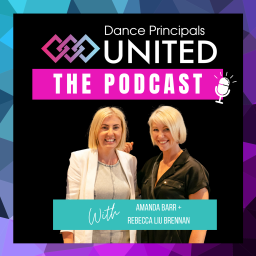
In this episode of the Dance Principals United podcast, Bec is flying solo to talk about one of the most common frustrations for dance studio owners: staff not doing the basics.
But there's an important question to ask before getting frustrated with your dance studio team.
Have you actually told them what you expect?
What feels obvious to you after years of running a dance business may not be obvious to a young teacher, a new admin team member or someone who's never worked inside a well-run dance studio before.
Clear expectations give your team something concrete to work towards. They also make dance studio management much easier because when something isn't happening, you can coach the behaviour instead of having another awkward conversation based on assumptions.
In this episode we discuss...
Why you can't assume your dance teachers know the "obvious" basics
What being prepared for class should actually look like
Setting clear rules around phones, uniforms, footwear and equipment
Why teachers need to mark their rolls every lesson
How your classes and teachers affect dance studio retention
Why teacher-to-parent communication matters more than you might think
How your teachers can help increase dance studio enrolment
Setting expectations around parent complaints and conflict
Creating clear standards for communication within your team
What great customer service should look like at your front desk
Your classes are your product
One of the biggest ideas in this episode is simple: you can have brilliant dance studio marketing, but the marketing only gets someone through the door.
What happens next matters even more.
Bec uses the example of seeing amazing marketing for a new bubble tea, buying it and discovering it tastes terrible. It doesn't matter how good the marketing was. You're probably not going back.
Your dance studio isn't that different.
Your teachers and classes are a huge part of the product families are paying for. If the class experience isn't good, more marketing won't solve the underlying problem.
That's why staff training isn't just a team leadership exercise. It's part of your dance studio growth and retention strategy.
Parent communication isn't an optional extra
Parents don't always get to see what happens inside the studio.
Unlike standing on the sideline at weekend sport, they might drop their child at dance and see very little of what happens during the lesson. Your teachers can help bridge that gap.
It can be as simple as walking out after class and saying:
"She's been working so hard on her flexibility. You can really see the improvement."
That tiny conversation gives the parent a window into their child's progress.
It builds trust. It shows that the teacher knows their child. And it helps the parent understand the value they're receiving from your dance studio.
Your teachers can support enrolment too
Your dance teachers also see opportunities that your admin team may never see.
Bec shares the story of three sisters who came into her studio after their mum had been searching for contortion classes. A simple conversation about another class led to the family becoming some of the studio's biggest clients. One sister went on to become a professional circus performer, while another later became a teacher at the studio.
That opportunity came from paying attention and having a conversation.
Upselling doesn't need to feel pushy. Done well, it's simply helping a family find a class that's genuinely right for their child.
Clear expectations make accountability easier
The biggest takeaway from this episode isn't that you need stricter staff.
It's that you need clearer expectations.
Tell your team what being prepared means. Explain how quickly you expect messages to be acknowledged. Set standards for social media, parent communication, class covers, customer service and class conduct.
And importantly, explain why those expectations exist.
Once your team knows the standard, you have something objective to coach against. Instead of saying, "You're not doing a good enough job," you can point to the agreed expectation and talk about the specific behaviour that needs to change.
That's a much healthier foundation for dance studio leadership.
If staff expectations have been causing frustration in your studio, Bec has also created a PDF covering the expectations discussed in this episode. Reach out to Dance Principals United to request a copy and use it as a starting point for your next staff training.
Subscribe to the Dance Principals United podcast so you don't miss future conversations about dance studio growth, marketing, leadership, systems and building a stronger dance business. If this episode helped, leave us a review and share it with another dance studio owner who needs it.