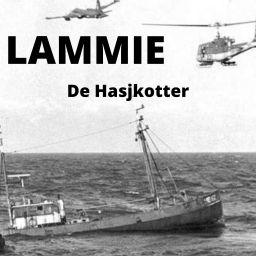
Podcast thumbnail for LAMMIE, De Hasjkotter

LAMMIE, De Hasjkotter

Claim This Podcast

by Rik Bouman

3.7(62 reviews)
230 episodes
Updated Weekly
Accepts GuestsHas SponsorsLocation 🇳🇱

Podcast Overview

**Show Notes:** **Duik in "Lammie de Hasjkotter",** de podcast die het meest gedurfde avontuur in de smokkelgeschiedenis ontrafelt. In maart 1974 zet de HD 160, alias Lammie, koers naar Libanon, met aan boord een bemanning van kleurrijke personages, elk met hun eigen geheimen en motieven. **Voordat Lammie de haven verlaat,** gonst het al van de geruchten. Wie wist er van deze riskante onderneming? De reis naar Libanon is allesbehalve gewoon, vol bizarre wendingen en tegenslagen. Maar het is de terugreis die de geschiedenisboeken haalt: een zenuwslopende achtervolging op volle zee door marine, douane en rijkspolitie te water. **En dan, plotseling, verdwijnt Lammie van de radar.** Wat is er gebeurd? Deze podcast duikt diep in het verhaal dat niet alleen een spannend zeeverhaal is, maar ook gezien wordt als het begin van grootschalige politieacties tegen drugssmokkel. **Hashtags:** #LammieDeHasjkotter #SmokkelLegenden #ZeeAvonturen #DrugssmokkelGeschiedenis #VerdwenenOpZee #PolitieactiesTegenDrugs

Language

🇳🇱

Publishing Since

4/10/2022

Reach the team behind LAMMIE, De Hasjkotter

Verified contact details for this show aren't on file yet — sign up to get notified when they land.

Recent Episodes

Episode thumbnail for Derde Ronde van Los Angeles van 1932 tot 2028 : Deel 41:President Theodore Roosevelt en de dramatische marathon van de Olympische Spelen 1904 in St. Louis, vol uitdagingen, doping en opmerkelijke atleten.

July 5, 2026

Derde Ronde van Los Angeles van 1932 tot 2028 : Deel 41:President Theodore Roosevelt en de dramatische marathon van de Olympische Spelen 1904 in St. Louis, vol uitdagingen, doping en opmerkelijke atleten.

<p>The discourse centers on the remarkable and tumultuous history of the 1904 Olympic Marathon held in St. Louis. We delve into the intense negotiations preceding the selection of St. Louis as the host city, influenced significantly by President Theodore Roosevelt, who sought to elevate American prominence in the global arena of athletics. The episode meticulously recounts the arduous conditions faced by marathon participants, including oppressive heat, unpaved routes, and the scarcity of hydration, which collectively contributed to a harrowing experience for the athletes. Noteworthy narratives emerge from the race, including the controversial strategies employed by Thomas Hicks, the eventual winner, who resorted to stimulant use, a practice that predated modern doping regulations. Through these accounts, we illuminate the complexities and challenges of early Olympic competitions, reflecting on how they have shaped contemporary perspectives on athletic integrity and endurance.</p><p></p><p>The 1904 Olympic Games, which took place in St. Louis, are marked by a complex backdrop of political negotiation and the quest for national representation on the global stage. The initial proposal for the Games to be hosted in England faced opposition, as the influential Pierre de Coubertin advocated for an American venue to enhance the international stature of the Olympics. Despite Chicago being selected as the initial choice, President Theodore Roosevelt's intervention redirected the event to St. Louis, where it coincided with a World’s Fair celebrating the Louisiana Purchase. This strategic shift not only highlights the political dimensions of the Games but also reflects the interplay between national identity and international sporting events. The controversy surrounding the race is epitomized by the figure of Thomas Hicks, whose victory was shrouded in allegations of doping. The administration of strychnine and other stimulants, which were not yet recognized as performance-enhancing drugs, raises critical questions about the ethics of sportsmanship during this period. Hicks's experience illustrates the blurred lines between enhancement and exploitation in competitive sports, setting a precedent for future discussions about athlete welfare and the integrity of athletic competition. The 1904 marathon thus serves as a microcosm of the broader evolution of the Olympic movement, encompassing themes of resilience, ethical dilemmas, and the relentless pursuit of excellence.</p><p>Takeaways:</p><ul><li>The selection of St. Louis as the host city for the 1904 Olympic Games was a result of extensive negotiations and political influences.</li><li>President Theodore Roosevelt played a crucial role in designating St. Louis as the city to host the Olympic Games of 1904.</li><li>The marathon event of 1904 was marked by extreme conditions, including high temperatures and a challenging course that tested the endurance of the athletes.</li><li>Felix Carvajal, a Cuban runner, showcased remarkable determination by arriving just in time for the race despite numerous hardships during his journey to St. Louis.</li><li>The 1904 marathon witnessed dramatic incidents, including competitors collapsing and the use of dubious substances by some participants to enhance performance.</li><li>Thomas Hicks's victory in the marathon was controversial, involving the administration of stimulants and resulting in significant discussions regarding doping in athletics.</li></ul><br/>

Episode thumbnail for Derde Ronde van Los Angeles van 1932 tot 2028 : Deel 40: Ben je sportliefhebber dan kan 3 augustus 2024 Parijs niet meer verdwijnen!

June 28, 2026

Derde Ronde van Los Angeles van 1932 tot 2028 : Deel 40: Ben je sportliefhebber dan kan 3 augustus 2024 Parijs niet meer verdwijnen!

<p>The focal point of this podcast episode is the remarkable performance of Femke Bol during the 2024 Olympic Games in Paris, where she delivered an iconic final sprint that secured a gold medal for the Netherlands in the mixed relay. As we examine the events of August 3rd, we reflect on the sheer astonishment experienced by both her teammates and the spectators, encapsulated by the French commentator's exclamation of "incroyable!" This extraordinary achievement not only garnered widespread acclaim across various media outlets but also rekindled discussions about the legacy of sprinting in athletics, particularly in light of the absence of figures like Usain Bolt. We also delve into the dynamics of Team NL, highlighting the contributions of athletes such as Eugene Omala and Kathleen Peters, whose performances were integral to this victory. Ultimately, Bol's journey on this day is underscored by her determination and the emotional significance of overcoming past frustrations, culminating in a moment that will be etched in Olympic history.</p><p></p><p>The 2024 Olympic Games in Paris have reached a pivotal moment, as the spotlight shines on the remarkable performance of Femke Bol during the mixed relay event. The atmosphere is charged with anticipation, particularly on August 3rd, a day marked by fervent sporting enthusiasm. Bol's electrifying final sprint captivates the audience, drawing admiration and disbelief alike. Commentators and spectators alike are left astonished by her extraordinary ability, which echoes the legacy of legendary sprinter Usain Bolt. The juxtaposition of their names, differing by a mere letter, serves as a poignant reminder of the high expectations placed upon Bol as she steps into the void left by Bolt's retirement from athletics. As the race unfolds, the dynamics of Team Netherlands become evident. Bol's fellow competitors, including the talented Eugène Omala and the steadfast Lieke Klaver, contribute significantly to the team’s success. Omala, despite being relatively new to the team, demonstrates maturity and poise, guided by the experienced Lee Marvin Bonavacia, who, although sidelined due to injury, remains a vital source of motivation and encouragement. The camaraderie and spirit within the team are palpable, fostering an environment that enhances their collective performance, ultimately culminating in a historic victory for the Netherlands. Bol's triumph is not merely a personal achievement but a testament to the unwavering support and synergy among the athletes. The psychological dimensions of Bol's experience are profound. Having faced disappointment at the previous World Championships, where she narrowly missed victory, Bol's determination to overcome past failures fuels her drive on the track. The race becomes not just a contest of speed but a personal redemption arc; Bol's sprint is imbued with emotion as she channels her frustrations into a display of sheer athletic prowess. The electric atmosphere of the Stade de France, filled with cheering spectators, elevates the moment to one of unforgettable significance, thereby securing Bol's place in the annals of Olympic history. The 2024 Olympics, hosted in the illustrious city of Paris, serves as a backdrop for a defining moment in athletic history as we witness the extraordinary performance of Femke Bol in the mixed relay event. On the significant date of August 3rd, Bol's final sprint leaves spectators in awe, as she catapults Team Netherlands to victory against formidable competitors from Belgium, Great Britain, and the United States. The sheer intensity of her performance draws comparisons to the legendary Usain Bolt, a narrative that reverberates throughout media commentary, thus positioning Bol as a potential successor in the realm of sprinting excellence. The race is characterized by a compelling team dynamic, where the contributions of all members are vital. Bol's teammates, including Omala, Klaver, and Klein-Ikink, play crucial roles in setting up her decisive run. The absence of Bonavacia, due to injury, underscores the challenges faced by the team, yet his presence as a mentor during the event illustrates the depth of their collective spirit. The encouragement Bol receives from her teammates, particularly in the heat of competition, emphasizes the importance of teamwork in achieving success at such a high level. Bol's journey is further complicated by her prior disappointments, notably at the last World Championships. Her determination to rectify past mistakes propels her forward, transforming her race into a personal quest for validation. This psychological aspect adds layers to her performance, as she navigates the pressures of expectation and the desire for redemption, ultimately translating her internal struggles into a remarkable athletic feat. The collective triumph of Team Netherlands resonates beyond the confines of sport, representing perseverance, resilience, and the indomitable human spirit.</p><p>Takeaways:</p><ul><li>The 2024 Olympic Games in Paris represent a significant event for sports enthusiasts worldwide.</li><li>Femke Bol's extraordinary final sprint captivated audiences and garnered widespread acclaim across media platforms.</li><li>The mixed relay victory of Team NL showcased exceptional athleticism and teamwork, highlighting their collective effort.</li><li>The absence of Lee Marvin Bonavacia due to injury raised concerns about Team NL's chances in the competition.</li><li>Femke Bol's previous frustrations with her performance at the World Championships have fueled her motivation for success.</li><li>The electrifying atmosphere in the Stade de France during Bol's race created an unforgettable experience for all attendees.</li></ul><br/><p>Companies mentioned in this episode:</p><ul><li>Team NL</li><li>De Guardian</li><li>NOS</li><li>Eurosport</li></ul><br/>

Episode thumbnail for Derde Ronde van Los Angeles van 1932 tot 2028: Deel 39: De historische impact van de Olympische voetbalfinale 1936 in Berlijn en wat is het verhaal van Matthias Sindelar?

June 21, 2026

Derde Ronde van Los Angeles van 1932 tot 2028: Deel 39: De historische impact van de Olympische voetbalfinale 1936 in Berlijn en wat is het verhaal van Matthias Sindelar?

<p>The 1936 Olympic football final in Berlin transcended the realm of mere sport, embodying the intricate interplay between athletics and political propaganda. This episode delves into the monumental significance of that match, highlighting how it served as a narrative of an era on the brink of turmoil. With Adolf Hitler and Benito Mussolini employing sport as a vehicle for nationalistic fervor, the final between Austria and Italy became emblematic of competing ideologies and national identities. As we recount the tournament's context, we explore how Austria, favored for its artistic playing style, faced unexpected challenges amid the rising shadows of fascism. Ultimately, the match, culminating in Italy's victory, foreshadowed the profound geopolitical shifts that would forever alter the landscape of Europe, marking a poignant farewell to an independent Austria in the annals of sports history.</p><p></p><p>The Olympic football final of 1936, held in Berlin, was an event that represented much more than a mere sporting contest; it was a reflection of the tumultuous historical context of its time. As I delve into this significant event, I am transported to that sultry August day when the Olympic Stadium was a hive of activity, with 90,000 spectators gathered, flags billowing, and military bands filling the air with martial music. The atmosphere was charged with anticipation, amplified by the presence of Adolf Hitler, who, seated in the honor box, signified the political machinations intertwined with this athletic spectacle. At that moment, the world bore witness to a critical juncture in Olympic history, where the quest for gold was emblematic of national pride and power. Understanding the implications of this final necessitates a retrospective glance at the political landscape of Germany in 1936. Following his rise to power three years prior, Hitler had recognized the profound potential of sport as a means of propaganda. The Berlin Games were meticulously orchestrated to present Germany as a formidable, modern nation, with a focus on creating an impactful and memorable experience for the international community. Yet, the unpredictable nature of sport would prove to be a formidable adversary to Hitler's aspirations. Germany's unexpected loss to Norway in the quarter-finals—an event that transpired before the eyes of a visibly incensed Hitler—shattered the carefully crafted narrative of German supremacy, setting the stage for the climactic showdown between Austria and Italy in the final. The final itself was a microcosm of the broader political tensions of the time, representing not only a struggle for athletic glory but also an ideological confrontation between fascist regimes. Austria, with its renowned 'Wunderteam', was favored to claim victory, yet Italy's disciplined and strategic approach to the game ultimately triumphed. The match ended in a 2-1 victory for Italy, a result that resonated far beyond the pitch, symbolizing the fragility of national identities in an era of escalating fascism. This final was to be one of the last significant international appearances of an independent Austria before its annexation by Germany, rendering the outcome a poignant reminder of a nation on the brink of erasure. The implications of this match would reverberate through history, as it encapsulated a moment before the storm of World War II, illustrating how sport intersected with the forces of political upheaval and national identity.</p><p>Takeaways:</p><ul><li>The 1936 Olympic football final in Berlin transcended mere sport, symbolizing political tensions and international relations.</li><li>Adolf Hitler's presence at the final illustrated the intersection of sport and propaganda during the Nazi regime.</li><li>Austria's football team, known for their artistic playing style, faced Italy amidst rising political pressures in Europe.</li><li>The unexpected defeat of Germany by Norway in the quarterfinals was a significant moment for Hitler's ambitions in sports.</li><li>The final match between Austria and Italy was not merely a competition but a reflection of fascist ideologies.</li><li>In retrospect, the 1936 final represented one of the last international showcases of independent Austria before its annexation.</li></ul><br/><p>Companies mentioned in this episode:</p><ul><li>Adolf Hitler</li><li>Oostenrijk</li><li>Italië</li><li>Benito Mussolini</li></ul><br/>

230 total episodes available

Recent guests on LAMMIE, De Hasjkotter

Guests from recent episodes — sign up to see every guest that has ever appeared on this show.

Cora Laan

Guest

Marco Bakker

Guest

Olaf Voorburg

Guest

Hjalmar Teunissen

Guest

Jan Anderson

Guest

Rik Bouman

Guest

Deep-dive analytics for LAMMIE, De Hasjkotter

Frequently asked questions

Have a different question and can't find the answer you're looking for? Reach out to our support team by sending us an email and we'll get back to you as soon as we can.

What is LAMMIE, De Hasjkotter?

Show Notes:

Duik in "Lammie de Hasjkotter", de podcast die het meest gedurfde avontuur in de smokkelgeschiedenis ontrafelt. In maart 1974 zet de HD 160, alias Lammie, koers naar Libanon, met aan boord een bemanning van kleurrijke personages, elk met hun eigen geheimen en motieven.

Voordat Lammie de haven verlaat, gonst het al van de geruchten. Wie wist er van deze riskante onderneming? De reis naar Libanon is allesbehalve gewoon, vol bizarre wendingen en tegenslagen. Maar het is de terugreis die de geschiedenisboeken haalt: een zenuwslopende achtervolging op volle zee door marine, douane en rijkspolitie te water.

En dan, plotseling, verdwijnt Lammie van de radar. Wat is er gebeurd? Deze podcast duikt diep in het verhaal dat niet alleen een spannend zeeverhaal is, maar ook gezien wordt als het begin van grootschalige politieacties tegen drugssmokkel.

Hashtags: #LammieDeHasjkotter #SmokkelLegenden #ZeeAvonturen #DrugssmokkelGeschiedenis #VerdwenenOpZee #PolitieactiesTegenDrugs

How often does this podcast release new episodes?

This podcast updates weekly.

Where can I listen to this podcast?

This podcast is available on 9 platforms including Apple Podcasts, Spotify, and more. You can also use the RSS feed directly.

Does this podcast accept guests?

Yes, this podcast regularly features guests.

Legal Disclaimer

Pod Engine is not affiliated with, endorsed by, or officially connected with any of the podcasts displayed on this platform. We operate independently as a podcast discovery and analytics service.

All podcast artwork, thumbnails, and content displayed on this page are the property of their respective owners and are protected by applicable copyright laws. This includes, but is not limited to, podcast cover art, episode artwork, show descriptions, episode titles, transcripts, audio snippets, and any other content originating from the podcast creators or their licensors.

We display this content under fair use principles and/or implied license for the purpose of podcast discovery, information, and commentary. We make no claim of ownership over any podcast content, artwork, or related materials shown on this platform. All trademarks, service marks, and trade names are the property of their respective owners.

While we strive to ensure all content usage is properly authorized, if you are a rights holder and believe your content is being used inappropriately or without proper authorization, please contact us immediately at hey@podengine.ai for prompt review and appropriate action, which may include content removal or proper attribution.

By accessing and using this platform, you acknowledge and agree to respect all applicable copyright laws and intellectual property rights of content owners. Any unauthorized reproduction, distribution, or commercial use of the content displayed on this platform is strictly prohibited.