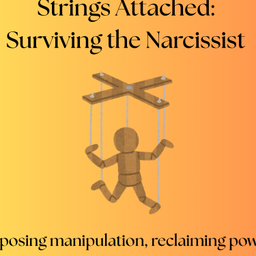
Strings Attached: Surviving the Narcissist is a trauma-informed podcast for people recovering from narcissistic abuse — from partners, parents, family, friends, or workplace dynamics. Hosted by two survivors speaking from lived experience, the podcast gently unpacks gaslighting, trauma bonding, love-bombing, emotional manipulation, and covert control without judgement or pressure to “move on.” If you’ve felt confused, emotionally drained, too sensitive, or ashamed for staying or doubting yourself — you’re not alone. Each episode offers clarity, validation, and grounded support.
Stop trying to understand them. What changes when you start understanding yourself
Why do we spend so much time trying to understand a narcissist, even after the relationship has ended?
Do narcissists know they're hurting you? Did they ever really love you? Will they change? Why do they treat everyone else differently?
If you've experienced narcissistic abuse, gaslighting, emotional manipulation or trauma bonding, you've probably spent hours searching for answers to these questions.
And understanding narcissistic behaviour can be an important part of recovery. It helps us recognise patterns, make sense of confusing experiences and begin to understand what happened.
But what happens when trying to understand them starts getting in the way of understanding yourself?
In this episode of Strings Attached: Surviving the Narcissist, Rose and Noah explore a powerful turning point in healing after narcissistic abuse: shifting your attention away from the person who hurt you and towards your own emotional needs, identity and recovery.
We explore:
Why survivors of narcissistic abuse can become consumed with understanding the narcissist's behaviour.
How gaslighting, coercive control and emotional abuse can affect your sense of self.
Why empathy for someone else's pain doesn't mean excusing their behaviour.
How constantly analysing a narcissistic partner or parent can keep you emotionally connected to the past.
The importance of rebuilding self-trust, recognising your needs and developing healthy boundaries.
How to begin shifting from understanding their behaviour to understanding its impact on you.
Narcissistic abuse recovery isn't just about understanding what happened to you. It's also about rediscovering who you are.
You don't need to have every answer about the other person before you can begin rebuilding your confidence, self-worth and emotional wellbeing.
Sometimes the most important question isn't "Why did they do that?"
It's "What do I need now?"
Whether you're recovering from a narcissistic relationship, dealing with a narcissistic parent, struggling with a trauma bond or learning to trust yourself again after emotional abuse, this conversation offers a compassionate new perspective on your healing journey.
🎧 Listen now and discover what can change when you start bringing your attention, compassion and understanding back to yourself.
Explore more narcissistic abuse recovery resources:
https://narcissistrecovery.com (https://narcissistrecovery.com)
Strings Attached: Surviving the Narcissist – honest conversations about narcissism, emotional abuse, trauma bonding, boundaries and finding yourself again.
Chapters
00:00 Introduction to shifting focus in narcissistic abuse recovery
02:45 Understanding the importance of asking what happened to me
07:31 Moving from detective to witness in recovery
10:12 Questions that change the course of healing
13:33 Rediscovering your identity post-abuse
17:45 The role of self-trust and self-compassion
20:50 Accepting unanswered questions and focusing on the future
23:11 The journey from being an expert on the narcissist to oneself
20 Oct 2026
They contacted me again. Why Hoovering Can Reactivate a Trauma Bond
You were finally starting to heal after narcissistic abuse. You were thinking about them less, rebuilding your confidence and beginning to feel like yourself again.
Then your phone lights up. It's them.
Suddenly, your heart is racing, your stomach drops and all those feelings you thought you'd worked through come flooding back.
Why can one message from a narcissistic ex, parent or emotionally abusive person reactivate a trauma bond so quickly? And does it mean you've lost all your healing progress?
In this episode of Strings Attached: Surviving the Narcissist, Rose and Noah explore narcissistic hoovering, why unexpected contact can trigger powerful emotional and physical reactions, and what happens in your nervous system when someone connected to a painful relationship suddenly reappears.
We explore:
What hoovering means in narcissistic and emotionally abusive relationships.
Why a simple text, apology or unexpected phone call can reactivate a trauma bond.
How hope, guilt, fear and emotional attachment can resurface after no contact.
The difference between genuine relationship repair and simply re-establishing contact.
Why your nervous system can react before your mind has processed what's happening.
Why replying to a message doesn't mean you've failed at narcissistic abuse recovery.
How to create space, protect your boundaries and rebuild trust in your own decisions.
If you're struggling with trauma bond recovery, breaking no contact, emotional triggers or healing after a narcissistic relationship, this conversation will help you understand why unexpected contact can feel so overwhelming.
Because feeling something doesn't mean you have to act on it.
A reaction isn't a decision. And one message doesn't erase how far you've come.
🎧 Listen now for a compassionate, honest conversation about hoovering, emotional abuse recovery, nervous system responses and finding your way forward after narcissistic abuse.
🌿 Recovery & Empowerment Hub: https://narcissistrecovery.com (https://narcissistrecovery.com)
#NarcissisticAbuseRecovery #TraumaBonding #NarcissisticHoovering
Chapters
00:00 Introduction: Contact and Emotional Reactions
01:51 What is Hoovering and Why It Triggers Strong Emotions
03:57 The Difference Between Reactions and Decisions
05:58 How Contact Reopens Hope and Past Attachments
08:03 The Role of Guilt and Responsibility in Contact
10:07 The Impact of Long-Term Contact and Trauma Bonds
12:02 Practical Grounding Techniques to Calm Your System
14:08 The Power of Time and Space Before Responding
16:09 Recognizing Patterns and Emotional Responses
17:52 The Finality of Rejection and Moving Forward
20:08 Tools for Self-Compassion and Self-Care
21:56 Understanding Your Own Emotional Triggers
24:06 The Importance of Self-Reflection After Contact
26:08 Building Awareness and Making Conscious Choices
28:01 The Role of Patience and Self-Love in Healing
29:58 Summary: Reactions Are Not Decisions
31:58 Final Thoughts and Resources
8 Oct 2026
Why Do I Keep Hoping They'll Change?
Why do you keep hoping they'll change, even when the relationship is making you unhappy? Why is it so difficult to let go of someone who keeps hurting you? And could the hope you're holding on to be one of the reasons your trauma bond feels impossible to break?
If you've experienced narcissistic abuse, emotional manipulation or a toxic relationship, you may recognise the feeling of waiting for someone to become the person you believe they could be.
You see their potential. You remember the good times. You convince yourself that one more conversation, one more chance or one big life change might finally make everything better.
But what happens when you're holding on to the relationship you're hoping for, rather than the relationship you're actually living in?
In this episode of Strings Attached: Surviving the Narcissist, Rose and Noah explore the powerful connection between hope, trauma bonding and emotional attachment in narcissistic and emotionally abusive relationships.
Through honest conversations and personal experiences, they discuss why we continue hoping someone will change, how promises of a better future can keep us emotionally invested, and why recognising the difference between genuine change and the possibility of change can be an important part of healing.
We explore:
Why trauma bonding can make it difficult to leave an unhealthy relationship.
How hope can keep you emotionally attached despite repeated disappointment.
Why you might keep giving someone another chance.
How imagining a better future can distract from the reality of the present.
Why the time, love and effort you've invested can make letting go feel even harder.
How to begin finding clarity, rebuilding self-trust and moving towards emotional freedom.
People can change. But how long do you keep putting your own happiness on hold while waiting to find out?
If you're questioning a relationship, struggling to break a trauma bond or navigating recovery after narcissistic abuse, this conversation offers understanding, perspective and a gentle reminder that your wellbeing matters too.
🎧 Listen now to explore why hope can be so difficult to release — and how recognising this pattern can become an important step towards healing.
Strings Attached: Surviving the Narcissist is a podcast exploring narcissistic abuse, trauma bonding, emotional manipulation, toxic relationship patterns and the journey towards recovery, self-worth and healthier relationships.
Find more support and resources at www.narcissistrecovery.com (http://www.narcissistrecovery.com).
Chapters
00:00 Introduction to Hope and Waiting
01:53 The Illusion of Change and Moving Circumstances
05:02 Living in a Waiting Room of Unhappiness
08:13 Attachment to Future Possibilities
10:09 The Emotional Cost of Hope and Grief
12:59 Love for Potential vs Love for Reality
14:53 The Pattern of Promises and Disappointments
17:49 The Danger of Changing Scenery
21:04 Understanding Wounds and Compassion
23:58 The Grief for Unfulfilled Plans
27:01 Deciding Not to Wait
30:08 Redirecting Hope to Yourself
Contact Strings Attached - Surviving the Narcissist
Guest appearances
Does not typically book guests
Based on episode analysis; this does not confirm that the show is currently accepting guests.
Pod Engine is an independent podcast discovery and analytics service and is not affiliated with or endorsed by this podcast. Artwork and show content belong to their owners. Full legal notice.
Explore this show Podcast research with Pod Engine