better grades with less stress on the path to the perfect college

The College Prep Podcast
Claim This Podcastby Megan Dorsey & Erin Tempest
5.0(11 reviews)
420 episodes
Updated Daily
Accepts GuestsHas SponsorsLocation 🇺🇸
72
Podcast Authority
BetaGoodBased on show quality, social media presence, reviews, charts, and more

Quality81
Social0
YouTube64
Engagement95
Podcast Overview
better grades with less stress on the path to the perfect college
Language
🇺🇲
Publishing Since
6/4/2018
Unlock The Full Podcast Authority Score Report
See how your podcast performs across key metrics
72
Podcast Authority
BetaGoodBased on show quality, social media presence, reviews, charts, and more
Quality81
Social0
YouTube64
Engagement95
8
Excellent Areas
2
Good Performance
9
Growth Opportunities
excellent
Publishing Consistency
Every 7 days
Performing excellently!
good
Show Notes Quality
3.0/5
Recommendations available
Unlock the full report to see detailed tips
poor
Episode Thumbnails
Recommendations available
Unlock the full report to see detailed tips
+16 More Metrics
Unlock comprehensive insights including:
- • YouTube presence analysis
- • Social media reach metrics
- • RSS compliance scoring
- • Podcast 2.0 features
- • Technical standards
What's Included in Your Full Report
Detailed Analytics
- Complete breakdown of all 19 authority metrics
- Personalized recommendations for each metric
- Industry benchmarks and comparisons
- Technical RSS feed analysis and compliance scoring
Growth Strategies
- Step-by-step action plans for improvement
- Quick wins to boost your score immediately
- Pro tips from successful podcasters
Get your free podcast insights report
See how your show performs across every key metric
Instant delivery
No spam
Attract Better Guests
High authority scores make your podcast more attractive to industry leaders and influencers who want to appear on credible shows.
Secure Sponsorships
Sponsors look for podcasts with proven authority and engagement. Your score demonstrates your podcast's value to potential partners.
Grow Your Audience
Understanding your strengths and weaknesses helps you make data-driven decisions to expand your listener base effectively.
1 verified contact email on file for The College Prep Podcast
Pitch yourself as a guest, propose sponsorships, or reach out directly to the host.
Recent Episodes
August 3, 2026
640: Summer of Skills: Cleaning/Tidying
Host Erin shares essential cleaning skills for independent living, offering practical tips and a room cleaning guide for students.
July 27, 2026
639: College Essays: What’s Your Passion?
Host Megan guides students through crafting compelling college essays by revealing how to authentically showcase passion and avoid common pitfalls.
July 20, 2026
638: Summer of Skills: Organization
Host Erin shares essential tips for students to master organization, focusing on practical strategies for creating functional living spaces.
420 total episodes available with 91 transcripts
Recent guests on The College Prep Podcast
Guests from recent episodes — sign up to see every guest that has ever appeared on this show.
Darren Sacks
Guest
Dr Michael Thompson
Guest
Similar Podcasts
Discover related shows you might enjoy

Your College Bound Kid | Admission Tips, Admission Trends & Admission Interviews
Mark Stucker

Admittedly: College Admissions with Thomas Caleel
Thomas Caleel

Future U Podcast
Jeff Selingo, Michael Horn

Getting In: A College Coach Conversation
Bright Horizons College Coach

The ADHD Guys Podcast
The ADHD Parenting Podcast

Hacking Your ADHD
William Curb

Best Laid Plans
Sarah Hart-Unger
The Nutrition Diva's Quick and Dirty Tips for Eating Well and Feeling Fabulous
QuickAndDirtyTips.com, Monica Reinagel, MS, LDN
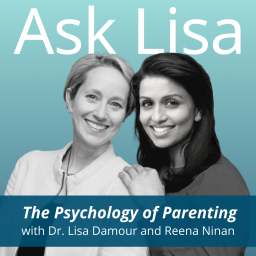
Ask Lisa: The Psychology of Parenting
Dr. Lisa Damour/Reena Ninan

College Matters from The Chronicle
The Chronicle of Higher Education

This American Life
This American Life

TED Radio Hour
NPR

Pantsuit Politics
Sarah & Beth

Hidden Brain
Hidden Brain, Shankar Vedantam

Planet Money
NPR
Deep-dive analytics for The College Prep Podcast
Frequently asked questions
Have a different question and can't find the answer you're looking for? Reach out to our support team by sending us an email and we'll get back to you as soon as we can.
- What is The College Prep Podcast?
- How often does this podcast release new episodes?
This podcast updates daily.
- Where can I listen to this podcast?
This podcast is available on 9 platforms including Apple Podcasts, Spotify, and more. You can also use the RSS feed directly.
- Does this podcast accept guests?
Yes, this podcast regularly features guests.
Legal Disclaimer
Pod Engine is not affiliated with, endorsed by, or officially connected with any of the podcasts displayed on this platform. We operate independently as a podcast discovery and analytics service.
All podcast artwork, thumbnails, and content displayed on this page are the property of their respective owners and are protected by applicable copyright laws. This includes, but is not limited to, podcast cover art, episode artwork, show descriptions, episode titles, transcripts, audio snippets, and any other content originating from the podcast creators or their licensors.
We display this content under fair use principles and/or implied license for the purpose of podcast discovery, information, and commentary. We make no claim of ownership over any podcast content, artwork, or related materials shown on this platform. All trademarks, service marks, and trade names are the property of their respective owners.
While we strive to ensure all content usage is properly authorized, if you are a rights holder and believe your content is being used inappropriately or without proper authorization, please contact us immediately at hey@podengine.ai for prompt review and appropriate action, which may include content removal or proper attribution.
By accessing and using this platform, you acknowledge and agree to respect all applicable copyright laws and intellectual property rights of content owners. Any unauthorized reproduction, distribution, or commercial use of the content displayed on this platform is strictly prohibited.