Interviews with top performing cyclists and industry experts in the fields of coaching, advanced training techniques, and human physiology. The purpose of this podcast is to learn and understand what makes high performing individuals tick, digging deep into their ingredients to success both on and off the bike.
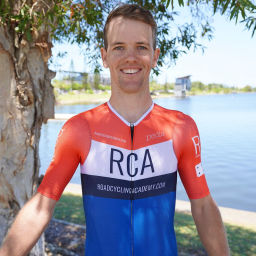
Road Cycling Academy Podcast
Claim This Podcastby Ryan Thomas & Cam Nicholls
5.0(4 reviews)
85 episodes
Updated Daily
Accepts GuestsHas SponsorsLocation 🇬🇧
58
Podcast Authority
BetaFairBased on show quality, social media presence, reviews, charts, and more

Quality52
Social0
YouTube93
Engagement68
Podcast Overview
Interviews with top performing cyclists and industry experts in the fields of coaching, advanced training techniques, and human physiology. The purpose of this podcast is to learn and understand what makes high performing individuals tick, digging deep into their ingredients to success both on and off the bike.
Language
🇺🇲
Publishing Since
5/22/2018
Unlock The Full Podcast Authority Score Report
See how your podcast performs across key metrics
58
Podcast Authority
BetaFairBased on show quality, social media presence, reviews, charts, and more
Quality52
Social0
YouTube93
Engagement68
8
Excellent Areas
1
Good Performance
10
Growth Opportunities
excellent
Episode Length
24 minutes
Performing excellently!
good
iTunes Tags
7.2/10
Recommendations available
Unlock the full report to see detailed tips
poor
Publishing Consistency
Every 48 days
Recommendations available
Unlock the full report to see detailed tips
+16 More Metrics
Unlock comprehensive insights including:
- • YouTube presence analysis
- • Social media reach metrics
- • RSS compliance scoring
- • Podcast 2.0 features
- • Technical standards
What's Included in Your Full Report
Detailed Analytics
- Complete breakdown of all 19 authority metrics
- Personalized recommendations for each metric
- Industry benchmarks and comparisons
- Technical RSS feed analysis and compliance scoring
Growth Strategies
- Step-by-step action plans for improvement
- Quick wins to boost your score immediately
- Pro tips from successful podcasters
Get your free podcast insights report
See how your show performs across every key metric
Instant delivery
No spam
Attract Better Guests
High authority scores make your podcast more attractive to industry leaders and influencers who want to appear on credible shows.
Secure Sponsorships
Sponsors look for podcasts with proven authority and engagement. Your score demonstrates your podcast's value to potential partners.
Grow Your Audience
Understanding your strengths and weaknesses helps you make data-driven decisions to expand your listener base effectively.
2 verified contact emails on file for Road Cycling Academy Podcast
Pitch yourself as a guest, propose sponsorships, or reach out directly to the host.
Recent Episodes
June 17, 2026
Thinking About Hiring a Cycling Coach? Here's What Actually Happens
<p data-start="681" data-end="757">Thinking about hiring a cycling coach but not sure what's actually involved?</p> <p data-start="759" data-end="1063">In this episode of the RCA Podcast, Cam Nicholls sits down with RCA coach and sports scientist <strong data-start="854" data-end="868">Ben Treble</strong> to pull back the curtain on the coaching process and explain exactly what recreational and amateur cyclists can expect when they start working with a coach.</p> <p data-start="1065" data-end="1410">Whether you're training 6–12 hours per week, struggling to improve your FTP, getting dropped on group rides, preparing for a Gran Fondo, or simply looking to become a stronger and healthier cyclist, this conversation covers the complete journey from onboarding through to long-term performance improvements.</p> <p data-start="1065" data-end="1410">RCA coaching: <a href= "https://roadcyclingacademy.com/one-to-one-coaching/">https://roadcyclingacademy.com/one-to-one-coaching/</a> </p> <p data-start="1412" data-end="1441">In this episode you'll learn:</p> <p data-start="1443" data-end="2069">✅ What happens during a cycling coaching onboarding call<br data-start="1499" data-end= "1502" /> ✅ Why goal setting is more important than FTP targets alone<br data-start="1561" data-end="1564" /> ✅ How coaches analyse your training history and cycling data<br data-start="1624" data-end="1627" /> ✅ The difference between FTP and Critical Power testing<br data-start="1682" data-end="1685" /> ✅ How TrainingPeaks is used to deliver and monitor training<br data-start="1744" data-end="1747" /> ✅ Why accountability is often the missing ingredient for improvement<br data-start="1815" data-end="1818" /> ✅ The role of recovery weeks and periodisation<br data-start="1864" data-end="1867" /> ✅ How coaches adjust training around work, family and illness<br data-start="1928" data-end="1931" /> ✅ Common mistakes recreational cyclists make when training themselves<br data-start="2000" data-end="2003" /> ✅ How structured coaching helps break through performance plateaus</p> <p data-start="2071" data-end="2382">Ben also explains how coaching extends far beyond simply prescribing intervals. From nutrition and recovery to training load management and identifying performance blind spots, coaching provides the structure and accountability many cyclists need to unlock their potential.</p> <p data-start="2384" data-end="2536">If you've ever wondered whether cycling coaching is worth it, or what the process looks like behind the scenes, this episode will answer your questions.</p> <p data-start="2538" data-end="2695">🚴 Perfect for recreational cyclists, Gran Fondo riders, masters athletes, endurance cyclists and anyone looking to train smarter and achieve better results.</p> <p data-start="2697" data-end="2827">Subscribe for more evidence-based cycling training, nutrition, bike fitting and performance content from the Road Cycling Academy.</p> <p data-start="2697" data-end="2827"> </p> <p data-start="2697" data-end="2827">Transcript: </p> <p>Cam Nicholls (00:01.804)<br /> Welcome to the RCA Podcast, designed for recreational and amateur road cyclists with a focus on performance. We dive into cycling training, nutrition, strength training for cyclists and even bike fitting tips, all designed to help you train smarter, ride faster and hopefully tear your mates' legs off. So without further ado, let's dive into today's episode.</p> <p>Welcome back to the RCA podcast, where today I am joined by the RCA's European correspondent Ben Treble, who's also a science data geek that digs into all the research. But today we're actually, Ben, we're not going be talking so much about the research, although I know your approach is very research based. So no doubt we'll be sprinkling that a little bit into the topic of today's discussion. But what I wanted to do today is talk about what does the process look like if</p> <p>I'm a recreational slash amateur road cyclist. You know, I've been training anywhere between six to twelve hours per week, depending on the week. And I'm kind of stuck on a performance plateau. I've been thinking about getting a coach, but I'm a little bit un uncertain. Maybe it feels a little bit beyond me, or maybe it feels like it's going to be another thing in my life. But I I kinda I don't really know. I know people improve a lot when they get a coach, but I don't know if I can commit to it or or what's involved. So</p> <p>I thought maybe you could share how you work with RCA members, which are essentially men, women between the ages of, you know, thirty-five to sixty-five, that busy lifestyles, jobs, families, you know, life stresses, but they want to improve on the bike. So let's peel it back. Let's just say somebody doesn't really know you know they know s coaching's gonna help them improve, but they don't know what's involved. So my name's Joe Blow.</p> <p>I'm thinking about getting coached. Ben, what's it gonna look like?</p> <p>Ben Treble (02:00.162)<br /> Yeah. You're gonna you're gonna sign up to the RCA and the first step is we're gonna get you scheduled in for an onboarding call, which kind of sets the stage for what's gonna happen afterwards. In that onboarding call, we're just gonna have a big discussion. We're gonna talk about primarily it's a it's an opportunity to get to know each other, but second it's an opportunity for me as a coach to get your context, get your history.</p> <p>And we're gonna start to have the first conversations on what is one of the most important parts of working with a coach and that's goal setting. I think it's something most athletes are typically not very good at doing.</p> <p>Cam Nicholls (02:41.304)<br /> Yeah, and I think some people come into cycle coaching with a an expectation that they have to have like a event goal or, you know, a specific of you know, something that's happening on a certain time and I need to be, you know, peeking for for that. Whereas I know a lot of our members actually yeah, once once I have a call with them, because I like I'm typically speaking, you know, as in the inquiry guide to them before they join.</p> <p>No, you don't need a specific event goal. You don't need to be racing your bike. You can literally just want self improvement. But then within that self improvement, you're breaking down what does that look like?</p> <p>Ben Treble (03:24.76)<br /> Exactly right. I can think of a perfect example. It's probably one of my longest standing athletes I've worked with at the RCA. He did just do his first event recently, but we've been working together for well over a year now, and he never had any necessary intention to do any events. He wasn't racing in the history. His goals were quite simple in some respects and beautiful. One was he wanted to get fit and healthy</p> <p>So he was a good role model for his daughter. And he wanted to get fit and healthy for himself so he could enjoy life a bit better. And he also just found cycling really enjoyable. and he only did indoor training at this point in time when we started. Interesting. So a very different set to maybe what is more traditional where someone says, I'm a master's writer and I'm gonna do a grand fondo in twelve weeks' time.</p> <p>Cam Nicholls (04:09.912)<br /> Interesting.</p> <p>Ben Treble (04:21.633)<br /> And I would like to qualify for the UCI Grand Fondo Worlds.</p> <p>Cam Nicholls (04:25.698)<br /> Yep. Okay. So in this call, if someone says, yeah, look, I just want to increase my FTP, do you just go, Great, let's just increase it? Or do you set things a little bit differently? And how do you determine where to go? Because obviously you're having a conversation, but do you in that initial call, are you like looking at the previous riding history? are people, you know</p> <p>Are you getting them familiar with training peaks, which is the software application we use for the calendar and looking at the data, or are most people already familiar with it?</p> <p>Ben Treble (05:00.642)<br /> Most people are familiar with training peaks or a similar athlete management system. if they're not familiar with it in this initial meeting, I'm not going to spend massive amounts of time on that because you could spend days doing this. That initial meeting is the time has to be focused on getting the context of the athlete. So what's their training history, which might be I'm very new to the sport to I've been training for fifteen years, you know, varied periods of time from seven to twelve hours a week.</p> <p>So you could have big different levels of experience and there's often a injury context. So, you know, I've recently had diabetic people who are trying to improve diabetes. I've had people who are coming back from back injuries, very common back or knee injuries. maybe they've not been riding for twelve months because of that and they're trying to come back into the sport. So the context is that's a big part of the conversation.</p> <p>Then there's the availability piece. We're trying to tick this off relatively quick, which is, you know, what days can you ride? How many hours are you willing to commit to? That sort of thing. Part of that is looking at their training history. So objectively, I tend to look at if they have training peaks, I'll go in before this conversation and look at how many hours they do a week. And I'll ask them, how many hours do you think you do a week? And they always overestimate it. Interesting. And then I show them, I show them the data in training peaks. I'll screen share and be like,</p> <p>I know you said you think you're doing eight to ten hours a week, but unless you're not syncing your data into training peaks completely, says you're only doing five to six. So there's sometimes we just try and set the scene a little bit here and put in some reality checks. When someone says, I'm doing eight hours a week and I want to move up to twelve, if they're only doing five hours a week in reality, you're not going to jump to twelve. Yep. Straight away. So I like to do that. And then the goal setting is the next biggest piece. And if</p> <p>That's a very common thing. Someone says, I want to lift my threshold. I want to improve FTP or what's worse is I just want to improve, you know, my cycling. And I'll ask them why. So Cam, Joe Blow, why? Tell me why you want to improve your FTP.</p> <p>Cam Nicholls (07:10.196)<br /> because I I'm struggling on the local group ride. I'm you know, I'm in in the D in the B group and I feel like I could be better in the B group and I want to get to the A group.</p> <p>Ben Treble (07:21.816)<br /> Yeah, so tell me what do you struggle with the most in the B group?</p> <p>Cam Nicholls (07:26.002)<br /> look, towards the end of the ride I just tend to fatigue out a bit and I go from being able to roll some turns and then I'm at towards the back and there's this climb at the end where sometimes I get popped and you know, I I don't finish and then other times I make it, but I'm always just struggling in the last part of the ride.</p> <p>Ben Treble (07:43.778)<br /> Yeah. So already asking more questions, we're digging into some really nice goals, right? It's not I need to lift my FTP. Maybe that is part of the answer, but often we're already digging into two goals. One, you know, it might not be as measurable in terms of power, but it's still measurable. I want to try and move from my B to A group in a bunch ride. Sometimes it's I want to get from, you know, the the C grade crit race, the local crit, up to the B.</p> <p>And I want to be able to get to the end of my bunch ride and do the kick, which is a durability question. So, okay, we already have two really good goals. Like how do we get you moving along in your program to improve your durability? And then how do we lift you up into the next grade?</p> <p>Cam Nicholls (08:32.418)<br /> Yep, okay. And what if I say to you, Ben, but I I also like this is a not negotiable ride for me. It's the Saturday group ride. I go there with my mates, we have a good time. I really don't want to like I'm happy to do stuff during the week with you, but the Saturday ride I'd really love to keep it. Is that okay?</p> <p>Ben Treble (08:50.37)<br /> Definitely. There might be a time and place where I say you might be better off here missing it for something specific. But at the end of the day, there's a really important component to training. That is you need consistency and volume. Kind of that's the bottom of the the pyramid, if you want. And often to achieve that you have to stay motivated. So if if doing yes, often the bunch ride's not as effective.</p> <p>If you're doing three bunch rides a week, I'm probably going to try and convince you to drop some. But if your non-negotiable is I want to do one social bunch ride a week, we're going to make room for it. What that might mean though, that might look like, okay, Friday has to be easy or an off day. Or maybe the Sunday has to then be an easy day. I don't want you doing back to backs like doing a crit race on Friday AVO, going into another really hard bunch ride and then buggering yourself for three days.</p> <p>Cam Nicholls (09:27.704)<br /> Okay.</p> <p>Cam Nicholls (09:44.812)<br /> Makes sense. So we've kind of dug into some of the actual underlying drivers behind the FTP goal. you've done a deep dive on, you know, my logistics, my injury history, you've looked at some previous training. What happens next? You you send me off into the abyss or what am I looking at?</p> <p>Ben Treble (10:06.934)<br /> Yeah, we would talk about a few other topics. Always try to touch on sort of in a self self assessment on strengths and weaknesses, which would include reflecting on your recovery and nutrition practices. I don't normally deep dive on them too much, but I just try to get a picture, okay, is that an area that I need to dig into more with you or not? Have you got a good handle? Are you good and up to speed on, you know, modern nutrition practices or not? And if you're not, I usually make a note, a self note to myself.</p> <p>Okay, next coach call, we're gonna we're gonna have a bigger chat about nutrition as something for us to work on. Once we've got those out of the way, we've got an idea of the schedule where typically we'll have a chat about equipment. I need to get familiar with what power media you're on, do you have heart rate? What bikes do you have? Are you okay doing indoor training? Do you have a preference for indoor outdoor? They're a little bit different. Typically I might prescribe slightly different work if you ride. Some people are very good outdoors with doing their intervals.</p> <p>And some people really struggle. So there's no point giving somebody thirty fifteens if they have rolling terrain and they just cannot execute them.</p> <p>Cam Nicholls (11:14.294)<br /> Of course.</p> <p>Ben Treble (11:15.382)<br /> So yeah, making sure that the work you prescribe is relevant and feasible for the athlete to pull off, I think is an important part. Maybe I'll try build you up to a point where we can get you to pulling off high quality thirty fifteen's outdoors. Okay.</p> <p>Cam Nicholls (11:30.936)<br /> So then what happens after that? After the call?</p> <p>Ben Treble (11:34.04)<br /> Or I throw you in the deep end. No, I'm just kidding. No, no. So we would wrap up the call typically with a point where normally there's a couple of days where I go away, I take all the information and I build out your initial couple of weeks of training and we put in place a sort of a higher level macro plan. So often there's if there's not an event goal, I do like to put in place a time bound goal. So that might be we want to try</p> <p>move from, you know, C to B grade at the crit races by the end of the season. So that might that could be three months away, could be six months away. Who knows? Depends on the individual. But we put a time bound goal in place and that helps drive the the macro plan for the training. So the general blocks. We might say month to month, you know, generally we try and put in place, I want to work on these things. I would hand this over to you in training peaks for you to have a look at in a note.</p> <p>And you can go in and say, That's not gonna work because I'm going actually going away on holidays for four weeks here, or these are some blackout dates, can't do it here. So then we start to do this a little bit back and forward, getting to know each other and the schedule and making sure that everything fits in place and will work for the athlete. Okay.</p> <p>Cam Nicholls (12:52.974)<br /> Okay. And in that first four weeks where you've sent me off into the abyss, a lot of people get a bit nervous about doing tests because, you know, they need to work out their their numbers. and obviously at the RCA, we don't use FTP, we use critical power. So is everyone doing the tests in that first week? What do the tests look like? Or can you look at existing, you know, data? And are some people already</p> <p>You know, ticking some of the they haven't done the test, but maybe they've done a three minute all out effort in a local bunch ride. So, you know, you don't need to test that. Well, what does that typically look like?</p> <p>Ben Treble (13:29.762)<br /> Yeah. I would at least in the first four weeks we're gonna do critical power testing.</p> <p>Cam Nicholls (13:34.838)<br /> Okay, so what does that look like?</p> <p>Ben Treble (13:36.728)<br /> Yeah, so we'll talk that through. It's normally for me, I'd like to do three efforts, different durations, short, medium, long. First one's around three minutes, next one's five to six, and a long effort could be from ten to fifteen minutes. Ideally, if someone is more of an outdoor rider, I tell them just go find a segment or a climb that's roughly those durations and try do your best time up it. I like to split them across days, do it on three days.</p> <p>You can do two in one day if you really want. but I typically try to avoid that. I often find the first time you try this, if the athlete's never done it before, the testing doesn't go perfect. There's a familiarization piece, which I kind of expect and it's normal. but I find often if you let them find a local climb or segment where they just try to do their best time up it, it's a lot easier for them to go repeat it. It's also easier for them to go redo.</p> <p>testing without it feeling like you gotta try do, you know, testing, which people hate testing, which is fine, but we just try and make it as easy as possible. As you said, some people might have a recent power PB. So we can just easily look in training peaks. If you've recently done in the last, you know, sort of 30 days, even up to 60, I would say, if you've done any of those three efforts, like a good P B, we might use that. So then you might only need to do one more effort.</p> <p>We just have to fill in the gaps. Yep. Equally, if you've done three power BBs across those numbers in the last thirty days already, training peaks is a great feature in its modeled, it's called modeled FTP, FTP. It's in the the beta, I think it's still called beta function charts. And so we can often rely on that relatively well, at least to get a good idea. So if they're very anti testing or depending on their goals and phase of training, if the first couple of weeks are not great to do testing.</p> <p>Cam Nicholls (15:06.179)<br /> Okay.</p> <p>Ben Treble (15:34.092)<br /> And they have some good training history data, we can often get a pretty good idea of critical power without officially testing, but I would still target in that first block to try and do full C P testing. Yeah.</p> <p>Cam Nicholls (15:47.118)<br /> Okay. And with the training as a general rule, I know this will depend on the person's goals and how much time you have with them, but let's just say they've got a fair bit of time. Their goals are just general improvement. In that first, you know, four weeks, what is there a typical focus you find? Like do they are you sort of peeling them back a little bit and let's have more of an aerobic focus and and get some of that foundational stuff right? Or do you just go straight into it?</p> <p>Ben Treble (16:17.314)<br /> I actually like to go straight into it a little bit. I do to some respects I get gauge how well they might be able to do some stuff. And I like to put in a a mixture of work because I really want to see how good are they at performing intervals. I want to see how good they are at giving me feedback, like their comments. Do they always put in their RPE? This first month is really important for me to get a gauge on the athlete's ability to do work.</p> <p>How they respond, what their level of feedback is, and just build upon that. So I might give them quite a mixture of work to do, if there's not a singular focus. But I do find in that initial conversation, it's rare that I can't get them to some good goals. Okay. Everybody who says, I just want to improve my cycling generally, when you start asking them why and really pressing, you get down to those, as we did before with Joe Blow, you get down to those really nice goals of okay, I want to improve durability.</p> <p>I want to move up from this grade to this grade. I want to get to the end of my bunch ride and still do that big kick. I want to improve my sprint or I'm going on a European holiday and I wanna do climbs, but my nutrition's really poor. Pretty quickly we can put in place some really specific stuff.</p> <p>Cam Nicholls (17:34.2)<br /> This podcast is brought to you by the Road Cycling Academy. And as you now know, we've got some massive news for our listeners, especially across Europe. Now at the Road Cycling Academy, we are proud to serve an international audience from our base here in Australia, mate, connecting our US, Canadian, Asian, and of course Australian clients across the days work beautifully. But Europe has always had that unique time zone puzzle. Usually just as our European members are waking up.</p> <p>Starting their days, we're wrapping up our days and preparing our dinners. Well, that puzzle is now officially solved. Based right out of Switzerland, Ben is servicing our European clients in absolute real time. So if you're in Europe and ready to smash your FTP, nail your nutrition, or unlock your true cycling potential, Ben is right there in your time zone, running our 12 week custom plans and our one-to-one coaching offering.</p> <p>If you want proof that Ben can do a good job for you, just go check out our Google reviews. Our members consistently rave about his deep scientific approach, his game changing whole food fueling strategies, and his ability to consistently get riders to improve by a minimum of 10 to 20% on their FTP, or we use critical power at the RCA in as little as three months. Spots are, of course, limited.</p> <p>So head over to the roadcyclingacademy.com and lock in your spot with Ben today. Let's get back to the episode. Yeah, okay. Cool. And you you mentioned comments there, then them providing feedback. So, you know, you put the the workouts in the training peaks calendar software. One of the the benefits of this software is that it's been around for years and all the major head units and indoor training apps integrate seamlessly. So when you sign up,</p> <p>People just add their their Wahoo account or their Garmin account, they add their Zwift account, or maybe a lot of people are using Training Peaks Virtual these days because it's covered in the Training Peaks license, which is basically the same as Zwift, which means that when you log into Zwift or Training Peaks Virtual or you turn your head unit on in the morning, it's like, there's the workout that Ben's prescribed me. I just need to follow along. So they follow along, do the workout, and you mentioned feedback before. So</p> <p>Cam Nicholls (19:53.932)<br /> How does that work? Are people just shooting you an email after they do their their thirty fifteens that Ben's prescribed on a Thursday? Or what does that look like?</p> <p>Ben Treble (20:03.606)<br /> I mean they can, but typically what we try to do is the sort of day to day communication is through the comments function in training peaks. So as you said, you get set up. If people are not familiar or tech savvy, there's sometimes some emails after that initial onboarding to make sure that they get set up in the tech, whatever that is that they want to use with Training Peaks. So connecting their Strava, their Garmin, Wahoo, Swift, whatever that is, making sure it's connected.</p> <p>To training peaks so that the workouts will sync across from the calendar into their device where they can perform the training and follow along. They complete the workouts each day. And at the end of the workout, I try to get them to put in a comment. It doesn't have to be every time. if a workout just goes well and there's nothing to note, you don't need to put anything in. I do ask my athletes to put in their RPE, that's rate of perceived exertion. In training peaks, that's a score from zero to ten.</p> <p>Zero being no work at all, feet up on the couch, ten being the hardest thing you've ever done before. Throwing up, puking at the end of a ride. So I try to get everybody to put in an RPE score. It's still a very, very valid measure of tracking how hard was the training. It typically factors in all the other stress you have in your life. So workouts work out. You know, if you're stressed or not stressed outside of the bike training, it can impact how hard it felt.</p> <p>So that's where it gets measured. And the comments athletes can put in comments like that, that felt really easy. If I give someone, if we haven't managed to do C B testing, we're doing say VO2 work and they put in an I don't know, RPE of two, the intensity's probably pretty wrong. that's an extreme example, but I mean it the the good example here with RPE in those early days is trying to get the zone two endurance work right. So making sure you can use RPE with heart rate.</p> <p>To look at the power and see what's happening. So yeah, collecting that athlete feedback and the athletes often put in the comments, you know, a little bit about their nutrition. I quite like that. I've got some athletes put in comments about nutrition, managed to eat XYZ. This workout felt super hard, or first two sets felt great, but third set failed like, you know, really hurt, or maybe there was a tech glitch, was riding outdoors, third set interrupted because a car cut me off. So little bits of feedback help give me context. So when I</p> <p>Ben Treble (22:32.428)<br /> At least once a week, ideally twice a week, I go through every athlete to review and respond against the comments. And when I'm looking at those workouts and looking at the data, if I don't get that context from the comments, often you can miss stuff. So you go, did the power drop off in the third set 'cause a car interrupted them? Or is it because it was the intensity was too hard?</p> <p>Cam Nicholls (22:52.27)<br /> Interesting. Okay. And what happens if you know, back Joe Blow, he works for a company which is head officed in interstate. I've had to fly to head office for a few days, didn't mean for it to happen. Then I came back and I was a bit sick because one of my one of my kids was you know, gave me something from daycare. So I've had five days off the bike. What happens in in that in that case when you've laid out the four weeks of training after that initial call and there's been a disruption?</p> <p>Ben Treble (23:22.828)<br /> Yeah, I mean assuming this is a monthly if we say this is a monthly coached athlete, I would try and set up in the initial onboarding that the for anything like this, I would say this is sort of more urgent communication. So if you get sick or injured or there's something more urgent you need a response to within a day or two, is to email me. And pretty quickly I would want to make adjustments. So if I know that you're getting sick, we're just gonna put in, most likely depending on the illness, a couple rest days.</p> <p>And just monitor. As soon as you're ready to go, we might start putting in some shorter, easier recovery rides and just build you back into the hard work again. If you have to travel for work last minute, that's often something that happens. Someone says, I need to go fly to the East Coast this week suddenly because work needs me over there. I've got to leave tomorrow. We might have to just drop a few days out of that week, but then I might adjust the week after in response.</p> <p>Cam Nicholls (24:19.342)<br /> All right. And let's just say that I've I haven't been sick, then I I've nailed the month, you know, I've done all the workouts. Training peaks, you know, for those with a bit of OCT gives you a green badge if you do it in a compliant way. And a lot of people like getting the green badge or all the green color code. So, you know, get to the end of the first month. We're doing monthly coaching here and you know, what what happens next?</p> <p>Ben Treble (24:45.858)<br /> Yeah, I put in a little there's different ways, but typically, you know, we try to have at least one call a month, ranges from a short phone call, twenty minutes, where sometimes people do it in the car, to forty five minutes on a video conference, which is preferred the video conference, because we can share the screen and the athlete can often we will share the screen and I'll bring up a certain workout or we want to talk about certain data or make some adjustments to the program. So</p> <p>The monthly call can be used for different things. We can review the goals. Often you end up talking about one or two topics though more deeply than anything else. It might be, we need to make some adjustments. I've got travel coming up. Let's adjust the plan. It might be discussing the last couple weeks of training, what worked, what didn't work. And then based on that feedback, I'll be able to make some adjustments going into the next block. We might review the goals, see how we're tracking against goals.</p> <p>Cam Nicholls (25:41.942)<br /> Yeah. So it becomes more less about understanding who the person is, their writing preferences, what their goals are, and more about digging into specific topics that are relevant based off of the phase of training.</p> <p>Ben Treble (25:56.066)<br /> Massively, yeah. And some athletes bring certain topics. I think the advantage of working with me as a coach is I'm an accredited sports scientist, so I am a bit of a data nerd and I'm very happy to talk about some of those other topics like nutrition or talk about physiology on why something's working or not working. And a lot of my athletes love that. It's not for all of them, but yeah, the ones who are interested in going deeper on the data can take full advantage of that.</p> <p>Cam Nicholls (26:23.384)<br /> Yeah. Yeah, cool. And I also you know, know that on that topic in particular, so a lot of our members also go to the gym. So even like strategic placement of the gym, especially when you're doing, you know, high intensity interval training, is a is a super important one. Because you know, once again, it's not a one size fits all gym needs to go here because people will respond differently. Like I know myself, for example, it took me years to figure it out, but</p> <p>I actually can do a high intensity interval training quite well the day after a gym session. but two days after a gym session and even sometimes three days, I really struggle. So, you know, it was I had to play around with that a a lot initially to figure that out. And no doubt this is something you would do with your clients, whether it's gym or some other cross training activity or maybe maybe a family stressor, just adjusting things to suit that particular individual and how their physiology responds to, you know, the training.</p> <p>Ben Treble (27:20.94)<br /> Yeah, and it's a different circumstance where the adjustments are really important along with the feedback. If I think of the North Americans and the Europeans, they have very distinct, you know, seasons. And going into winter often means a significant drop in volume for recreational cyclists. It's a lot trickier. They don't ride outdoors as much. It's often too cold or snowy. It's not possible. Riding indoors, you're not gonna do most people anyway, are not doing six hours on the indoor trainer twice a week. So</p> <p>Managing that and managing them through that with motivation and is there even talk about cross-training or just keeping fitness up in different levels varies athlete to athlete. But it comes back to the importance of those monthly conversations where you can collect the feedback about the context. And that helps me as a coach work out what's appropriate, what adjustments do we need to make to keep this athlete going, moving forward towards their goals.</p> <p>Cam Nicholls (28:17.006)<br /> How long do you feel it takes for people to embrace, you know, the the periodization schedule? So obviously one of the big benefits of working with the coach is I think people conceptually understand like building and progressively overloading and having an easier week, but a lot of people don't just don't do it. They listen to podcasts, they watch videos, they just don't do it. But obviously when people work with the coach, they're kind of like committing to, all right, I I know this is something that I need to do. And the coach is gonna, you know, put it in the plan and is gonna make me accountable.</p> <p>But then there's also the buy-in aspect. So some people might start off doing it apprehensively, where it's like this D-load week, I'm doing not doing enough training. you know, this feels a bit weird. And then I've I've found anyway, and this is from my experiences when I used to coach, maybe after the first four to twelve weeks of training, all of a sudden they're looking forward to the D-load week because they are starting to experience real freshness and real fatigue and</p> <p>They're buying into it. Like how how do you find, you know, people that you've trained at the RCA respond to that sort of the process?</p> <p>Ben Treble (29:24.928)<br /> Masters male athletes are not good at taking time off the bike. So it's often something that takes time. Some of them are better at it than others. I often kind of let them I try to show them how they come to this conclusion, which sometimes means I have to let them mess up a D-load week on their own. And then, you know, in our monthly call, we're gonna go back and look at the data. And and you can often see in the data, they if they mess up the D load week.</p> <p>You go into the next block and midway, they're really struggling. And you see it in the comments. And when you review it together objectively like this, they're like, I probably should have taken that rest. Then I then I could have got through the block. Okay, this D load week in a week's time, I'm I'm gonna try to stick to it. I'm gonna take the extra rest day. Like putting data to it often helps. I think a lot of these athletes really see why it's valuable. But sometimes they have to go through the process of sort of</p> <p>messing it up that first time and and then struggling through a block to realize that. And that also gives you the data to kind of convince them that it's really valuable that they need to do it.</p> <p>Cam Nicholls (30:31.51)<br /> And as we're talking here, I'm just pulling up the RCA Google reviews. maybe I I I'm not gonna have time to pull up some of your really good ones because I know there are some great reviews in there about working with you as a coach. I was trying to I'm thinking of Josh as he's dropped a recent review. I was trying to find his his results. But people can go and read them, of course. When do you think I've just pulled it up here? I don't</p> <p>helped my FTP grow by over forty percent. So you help Josh increase his FTP, we might be talking about critical power by over forty percent. So there are some really massive numbers people achieve, whether it's FTP, whether it's critical power, whether it's their local climb or their bunch rides or or events, you know, shaving half an hour or an hour off peaks. I know you recently took a guy who'd failed peaks challenge three times previously.</p> <p>Yep. And then on the fourth attempt under your guidance, made it through with half an hour to spare. So obviously you're static. So there are some really big, juicy goals people are you know, that they might have had for years and they've been on a plateau and the goal seemed out of reach and they get coached and all of a sudden they they're achieving what they wanted to achieve. Like people are inherently impatient as well. So like I I gotta ask you the question if people get coached.</p> <p>When should they expect the big gains? Is it is it in the first eight, twelve weeks or is it more so they've kind of done a build, then they've d dialed it back and then they're into their second build. So maybe it's twenty four weeks down the track or thirty six weeks. What are you saying?</p> <p>Ben Treble (32:11.656)<br /> I think there's often some big gains in the early blocks. In the first eight to twelve weeks you often see really good improvement. This is often just because you're changing their training and giving them more stimulus or different stimulus and trying to get them to take on more recovery and give structure to it. This alone, most athletes see massive jumps in that first sort of eight to twelve weeks.</p> <p>But I think you bring up two really good points here. You brought Josh up as an example, and he's a great example because he really struggled with taking time off the bike, recovering, right? He's a sort of person that if he doesn't ride on a day, he feels like he's missing something. So how do we get him to take recovery? Because that's why he was stagnating in performance. He was going nowhere in his bunch rides, but he really wanted to improve. And I think when we started</p> <p>He had a lot of capacity to improve, which obviously he's had really significant improvement with a lot of commitment and hard work. But what Josh needed was accountability and permission. So most athletes, I think what they get from a coach is you get this accountability piece. Like as soon as you're paying someone for their service, you feel a bit more committed to it, and there's this other person involved.</p> <p>Right. And they're going to come back to you and say, Hey, on a monthly call, I'm going to talk about it and say, You missed these sessions or I think you could improve here. This could be done better. I'm going to be constructive. I'm going to give you positive feedback as well, but I think a lot of people thrive off constructive feedback, especially in those early days. There's a steep learning curve and that comes from getting constructive feedback. The permission piece is equally as important. A lot of these masters, male athletes, in my experience, they need to be told.</p> <p>They need to be given permission to take a day off the bike. And they need the confidence to go, Josh knows I'm a sport scientist. So if I tell him he trusts me, and he knows if I tell him you need a full day off and this is why, because if you don't do it, this is what's going to happen. He goes, okay, I can have a day off. It's okay and it's actually going to be good for me. But he needed that human interface and he needed the verbal permission to do it for it to work.</p> <p>Cam Nicholls (34:31.074)<br /> Yeah. No, it's great. Great examples. And look, you know, one of the I appreciate you breaking that all down, Ben. You know, one of the the the challenges that you know, I face as running the RCA is really trying to to normalise cycle coaching because it's funny if you if you if I was speaking to a triathlet this morning and they were talking about a coach all these coaching they supply triathlet gear, custom triathlet gear to co and a lot of it to coaching businesses in in triathlon.</p> <p>And what I was just talking about how in the triathlon culture, it's very normal to have a coach. But in the road cycling culture, which they're reasonably intertwined, it's probably less normal to have a coach. And I feel like a lot of that comes down to just education. A lot of people don't really know what's involved with cycle coaching and also don't think that they've got the right goals for cycle coaching because they're not racing or they don't have a</p> <p>big UCI event that they're targeting. But in actual fact, look, it's just for anyone that wants, you know, self-improvement. So yeah. Appreciate your time, Ben. anything to add to that before we wrap up?</p> <p>Ben Treble (35:44.224)<br /> No, just that coaches help you identify those blind spots. You can be an excellent cyclist, potentially even have a some very good working knowledge on how to train. Maybe you've been even coached in the past, but human nature, you know, we're quite biased to ourselves and we're not good at identifying our blind spots. So sometimes having that human interface, the coach, there to call you out.</p> <p>To help you identify those blind spots and break those problems down and how do you solve them? Sometimes that becomes more valuable than saying, I can do a Zwift program and get 30, 30, 15, you know, VO2 hit sessions. Right. So sometimes the I think the value of the coaching in those first few blocks is probably from the training itself more than anything. But after this, it's the monthly or weekly conversations where you identify these little gaps.</p> <p>And you can find a solution from them, that's where I think athletes get these really big value out of having a coach.</p> <p>Cam Nicholls (36:51.704)<br /> Good. Well, if you're listening and you'd like to try cycle coaching yourself, make sure you head to the RCA's website. It's www.roadcyclingacademy.com. Check out you can either there's two spots you can check out. We've got a 12-week custom plan. and it's that's what it's called in the menu system, which is more of a one-off call with the coach, like Ben described, but then he'll build or they'll build you out twelve weeks in advance and it kind of stops at twelve weeks or</p> <p>What we've really focused on today is more of that monthly operating rhythm. we also have a weekly, which is perhaps a rabbit hole for another day, but monthly coaching is kind of what Ben's described today. So that's in our menu system as well, where you subscribe and you work monthly with the coach. Catch you in the next podcast.</p> <p> </p>
June 16, 2026
Want to Climb Faster? Here's How to Train for BIG Climbs
<p data-start="779" data-end="1121">Are you planning a cycling holiday in Europe, tackling iconic climbs like the Alps, Dolomites, or Swiss mountain passes? In this episode of the RCA Podcast, Cam Nicholls sits down with RCA coach and data science specialist Ben Treble to discuss exactly how recreational and amateur cyclists should prepare for a climbing-focused cycling trip.</p> <p data-start="1123" data-end="1489">Ben breaks down the key physiological factors that determine climbing performance, including VO₂ max, fractional utilisation, threshold power, training volume, and cycling-specific nutrition. Together, they outline an 8-week training strategy designed to help cyclists maximise their fitness, improve climbing ability, and arrive in Europe ready to enjoy every ride.</p> <p data-start="1491" data-end="1738">Whether you're heading to the Tour de France region, riding the famous Swiss Alps, taking on Peaks Challenge, or simply wanting to improve your climbing performance, this episode provides practical, science-backed advice you can apply immediately.</p> <h3 data-section-id="wi27i4" data-start="1740" data-end="1760">In This Episode:</h3> <p data-start="1761" data-end="2348">✅ Why VO₂ max alone doesn't determine climbing performance<br data-start="1819" data-end= "1822" /> ✅ The importance of threshold power and fractional utilisation<br data-start="1884" data-end="1887" /> ✅ How to structure an 8-week climbing preparation plan<br data-start="1941" data-end="1944" /> ✅ VO₂ max training vs threshold training for long climbs<br data-start="2000" data-end="2003" /> ✅ Why recovery weeks (deload weeks) are critical<br data-start= "2051" data-end="2054" /> ✅ How to increase training volume safely<br data-start="2094" data-end="2097" /> ✅ The role of low-cadence climbing work and muscular endurance<br data-start="2159" data-end="2162" /> ✅ Nutrition strategies for multi-day cycling trips<br data-start= "2212" data-end="2215" /> ✅ Gut training and carbohydrate intake for endurance cyclists<br data-start="2276" data-end="2279" /> ✅ Common mistakes recreational cyclists make before a cycling holiday</p> <h3 data-section-id="137ukqy" data-start="2350" data-end="2378">Who This Episode Is For:</h3> <ul data-start="2379" data-end="2649"> <li data-section-id="1p3mfxv" data-start="2379" data-end="2402"> Recreational cyclists</li> <li data-section-id="zw542r" data-start="2403" data-end="2426"> Amateur road cyclists</li> <li data-section-id="japjj9" data-start="2427" data-end="2446">Gran Fondo riders</li> <li data-section-id="713bts" data-start="2447" data-end="2493"> Cyclists planning a European cycling holiday</li> <li data-section-id="q9dlki" data-start="2494" data-end="2594"> Riders preparing for Peaks Challenge, Amy's Gran Fondo, Tour de Brisbane and other climbing events</li> <li data-section-id="5yp8tg" data-start="2595" data-end="2649"> Anyone wanting to improve their climbing performance</li> </ul> <p data-start="2651" data-end="2722">🎯 Learn more about RCA Coaching: <a href= "https://roadcyclingacademy.com/one-to-one-coaching/">https://roadcyclingacademy.com/one-to-one-coaching/</a> </p> <p data-start="2651" data-end="2722"> </p> <p data-start="2651" data-end="2722">Transcript: </p> <p>Cam Nicholls (00:01.804)<br /> Welcome to the RCA Podcast, designed for recreational and amateur road cyclists with a focus on performance. We dive into cycling training, nutrition, strength training for cyclists and even bike fitting tips, all designed to help you train smarter, ride faster and hopefully tear your mates' legs off. So without further ado, let's dive into today's episode.</p> <p>Welcome back to the RCA podcast, where today I am joined by the RCA's European correspondent and data science geek, Ben Treble, who's currently in Sydney but will be in Europe by the time this podcast goes live. Hello, Ben.</p> <p>Ben Treble (00:43.714)<br /> Hey Cam, how are you?</p> <p>Cam Nicholls (00:45.656)<br /> Good, thank you. So today, because you're heading over you're escaping actually you've timed this pretty well now. I'm just talking I'm thinking about this out loud. You're you're you're about to hit the depths of winter in Sydney. And Sydney gets pretty cold. People don't think it does, but it's actually it's a pretty cold winter. And you're moving to Europe, you've got a one way ticket, you're gonna be in Switzerland, one of my favorite places in the world. So you're basically heading into you're going from one summer season to the next summer season.</p> <p>You're gonna bit you're an expert in summer seasons, essentially. So I thought it would be a good podcast topic to talk about what's the best way not to prepare for a summer season, because we've kind of, you know, you should have been doing that two, three months ago. But maybe you might want to blend that into the conversation. But more so, you know, we're at the start of the summer season. How are we, you know, as a recreational and amateur road cyclist who's training anywhere between sort of six to twelve hours per week, depending on the person.</p> <p>We might have some goals to, you know, do some Fondo events, do some big climbs. How are we going to tackle the summer season? What's the best approach?</p> <p>Ben Treble (01:50.926)<br /> yeah, I think for me the context here is probably like a bit of a focus on climbing. So it's pretty hard to go over to Europe and not do climbing. I am a s more of a sprinter myself, so why I picked Switzerland as a location is beyond me because I'm definitely not a climber, but you can't really go anywhere without going over some big mountains.</p> <p>Cam Nicholls (02:15.458)<br /> Yeah, and I think this is like relevant to, you know, most people going into their summer seasons because let's face it, even though we don't have huge climbs here in Australia, when people are looking at their summer season, you know, so many people in Australia, you know, peaks has become the biggest fondo event. You know, they target peaks and there is a lot of climbing in peaks. And even some of the smaller fondo events, like Amy's, for example, what's the first thing you do? You go up a fifteen, twenty minute climb and then there's another climb in the middle.</p> <p>even Tour to Brisbane, which is you know, UCI qualifier, there's a fifth 10, 15 minute climb in the middle or wherever they put it because they change the event every year. So climbing isn't just a European thing. I know you're trying to rub salt in the worm because you've got amazing climbs over there, Ben in Switzerland, but you know, I think it's relevant no matter where you are in the world, because most events have significant climbs.</p> <p>Ben Treble (03:10.274)<br /> Definitely. Yeah. I mean Tura Brizzy, I can think of two athletes where, you know, the performance determinant was the climb. So, you know, it might not be a one hour, two hour climb. Maybe it's only fifteen to twenty minutes depending on your pace. But it's still a big determinant in tour of Brizzy and it's sort of a in some respects it it's a it's a speed hump in the what, one third of the way in. So it's but still it's super important. So climbing does become very important.</p> <p>I guess I just wanted to talk a bit around a couple different things on this topic. The first is probably what's important in determining climbing performance. So we'll stick to a bit of a focus on climbing and then we'll talk a little bit more around like people who go to Europe. I can think of a number of athletes I'm working with right now who are planning European holidays. That's either from North America, from Australia. I've even had athletes who</p> <p>wanted to prepare because they were in Australia and just going down to Bright, which is a very famous alpine region in Victoria, where there's a lot of big climbs, which don't don't underestimate. They are equal to many of the big climbs in Europe. They might not have the same altitude, but you can get a similar elevation profile. We're talking, you know, Mount Hotham as a climb in terms of total elevation is massive. It beats probably half the European climbs.</p> <p>Cam Nicholls (04:33.078)<br /> Yeah. How many meters do you hit in Hotham? Are you over fifteen you're definitely over fifteen hundred. Did you hit over two thousand?</p> <p>Ben Treble (04:40.024)<br /> think you do get two at the very top.</p> <p>Cam Nicholls (04:42.604)<br /> That t two thousand, from my understanding of when I climbed the the glibia many many moons ago was altitude actually kicks in at around five hundred meters. Although you probably it's probably quite subtle. Or even a few hundred meters it actually starts kicking in. But once you get to sort of fifteen hundred, two thousand, then the effects are really significant.</p> <p>Ben Treble (05:05.846)<br /> one eight four five</p> <p>Cam Nicholls (05:07.788)<br /> One eight four five. There you go.</p> <p>Ben Treble (05:10.254)<br /> There you go. Anyway, yeah, I think the first thing we should talk about is VO2 Max. We've talked about this a lot on the podcast. I think it's a big topic, but VO2 Max, we often talk about training it to have a higher VO2 Max. Lots of people walk around with their garments, which estimate their VO2 Max. You can think of that, it's like the the engine size, right? You can have a 600 horsepower car, but it doesn't necessarily mean that you've got the</p> <p>you know, horsepower or the fuel lines to feed enough fuel into the engine to actually achieve and utilize that power, right? Like you need all of the bits underneath. What is your utilization of the engine? So we know this is true. You can see people who have high VO2 maxes, but don't seem to be able to reach the same performance levels of other athletes with the same VO2 max.</p> <p>Cam Nicholls (06:05.269)<br /> More.</p> <p>Ben Treble (06:06.424)<br /> So why? Because the fractional utilization of VO2 Max is lower. Typically the way that we consider fractional utilization of VO2 Max is at your threshold. When we're talking threshold, I'm talking maximal lactate steady state, gold standard. For everybody on the podcast who don't know what that is, you can think of it as your critical power if you want to equivalent FTP. So threshold at w when you ride at your threshold, let's say it's</p> <p>200 watts, 250 watts. What percentage of your VO2 max are you holding? Really well trained athletes are going to be, you know, using 85% or higher of their VO2 max at threshold. What does that mean? They're relying more on the aerobic energy system and less on the glycolytic. So they're going to use less glycogen, which is one of your, you know, most valuable resources for fuel. So you're going to conserve that glycogen.</p> <p>For later. Let's you having a high fractional utilization lets you ride at a higher intensity for longer, relying on less glycogen.</p> <p>Cam Nicholls (07:14.988)<br /> So less lactate production.</p> <p>Ben Treble (07:17.474)<br /> Yeah, exactly.</p> <p>Cam Nicholls (07:19.69)<br /> Okay. So that's important for climbing.</p> <p>Ben Treble (07:23.532)<br /> I should reference it's not necessarily less lactate production, it's a higher clearance rate. You're able to utilize lactate better through the aerobic system.</p> <p>Cam Nicholls (07:32.886)<br /> Okay. Because when you started to talk about VO two Max, I was like, well, wait a second, aren't aren't we talking about long climbs? Don't we aren't we just worried about sort of around threshold and maybe a bit of tempo and sweet spot? Like w who cares about? I'm not doing short, punchy climbs around France. I'm just grinding all day long.</p> <p>Ben Treble (07:54.254)<br /> Exactly. Yeah. So VO2 Max is important, but sort of like one piece of the story. I mean, there's two papers. Some of this dates back quite old. you know, back to nineteen ninety-one with newer papers in two thousand and eight, if you want to call that new. particularly there's a scientist Coyle and Joyner have done multiple papers on climbing performance. They really bring it back down to VO2 Max.</p> <p>Fractional utilization and economy. Now that comes back to really fractional utilisation of threshold to me, and your efficiency on the bike. So Yeah. What we're looking at here, there's a big focus on fractional utilization of VO2 Max and that helps you with your climbing performance.</p> <p>Cam Nicholls (08:46.542)<br /> Okay. Well, tell me, Ben, I'm I'm a recreational and amateur that wants to go rip apart the hills in in Europe. What am I doing then if I wanna increase that?</p> <p>Ben Treble (08:58.498)<br /> Yeah. So you're probably gonna do very different training, but you're gonna take on blocks of VO two work, probably if you're in building blocks. And as you get closer to your actual holiday or your trip, you're gonna start heading more towards threshold blocks and longer. So progressively increase the intervals.</p> <p>Cam Nicholls (09:19.466)<br /> Interesting. So you are gonna s actually almost reverse periodise the zones. So you're going to start more with a VO two focus and then as you get towards the trip time, it's more threshold focused.</p> <p>Ben Treble (09:36.92)<br /> Yeah. I mean you you're never doing one thing in isolation, right? Like physiology is is broad and and mixed, but if we bring it a little simple terms, you're gonna try build the engine as big as possible to start with, which is key sessions on VO2 max and base volume. Then you're gonna bring it back to threshold work, try and lift your threshold. So this is gonna help improve your fractional utilization. And then you're just gonna continually progressively try build out</p> <p>How long can you hold that for? Right. So maybe when you start doing threshold work, this might be over-unders, for example, where you're sort of dipping, you know, you go over 105% of threshold and you go under 95%. And you might do one minute above, one minute below, and do, you know, maybe at the start you're only doing 10 minutes of this as one set and you try to do two sets. But you want to get to a point where you can do, you know, at least two or three sets of 20 minutes. So then you kind of go to a point where you're doing an hour of over-unders.</p> <p>In a single session.</p> <p>Cam Nicholls (10:38.24)<br /> An hour of over and unders. Wow, that sounds I want to dig into that. Let's peel it back now. So now you've you've sold me on doing a block of VO two and doing a block of sort of threshold. And I know as you just said, you're not just doing that. You know, you're not doing six sessions a week of VO two and six sessions a week of threshold for for six weeks at a time. It's a variation and variability, but there there are key focus points.</p> <p>Give me a high level lens. Let's just say I'm going to Europe. When do most people go to Europe? Around Tour de France time, maybe before, maybe after. So June, July. This podcast will probably go live in a couple of weeks. So let's just say we're going live early June for the purpose of this discussion. So we've got we've got eight weeks. You know, the title of this podcast is going to be something like preparing to tackle the the mountains in Europe. Listen to Ben.</p> <p>Tell you what to do. Won't be exactly that title, but I'm I'm now giving you a a little project here. I've got eight weeks essentially. That that's what we're looking at. What am I doing to really get the most out of my trip?</p> <p>Ben Treble (11:46.828)<br /> Yeah, the first thing I would do is try to maximize volume. And that's gonna depend on, you know, how much recovery time you have and how well you respond and your training history. So have you only been averaging four hours a week in the last three months? Or have you already been doing ten hours a week, even if it's bunch rides and whatnot? That probably changes wha how well you can pull off what you want to pull off.</p> <p>Cam Nicholls (12:10.414)<br /> So let's say well let's say I'm averaging eight to ten hours per week over the last few months. I'm doing a mix of everything, bunch rides, I'm going and doing some clients here and there. Of course, I'm a typical, you know, amateur recreational. I train too hard too often. I'm not having recovery weeks. I'm probably a little bit fatigued, even though I don't think I'm fatigued. you know, the all all the kind of boxes that many recreationals tick before they join us. So I'm that person, Ben.</p> <p>What I you mentioned you want to focus on volume. So if I'm doing, you know, eight, ten hours a week, does that mean I now want to be doing twelve to fifteen hours per week for the next eight weeks?</p> <p>Ben Treble (12:48.088)<br /> Yeah, I well if you've got the capacity to do it and the ability to recover, if your sleep is good, your nutrition is good, you can probably jump up to the twelve, even fifteen hours a week, right? But if you have a stressful job and you have family and kids, I probably wouldn't move you that fast. I would try to get you up to fifteen by the end of the eight weeks.</p> <p>Cam Nicholls (12:51.234)<br /> Okay.</p> <p>Cam Nicholls (13:07.478)<br /> Okay. Interesting.</p> <p>Ben Treble (13:09.72)<br /> So that's a bigger picture thing. But that first four weeks I would want to focus on VO2 max work.</p> <p>Cam Nicholls (13:16.11)<br /> Okay. And we may or may not have released this podcast by the time this one comes out, but we've we've done one where we talk about short intervals versus long intervals at VO two max. So should there bear any specific focus if you're going over for the longer climb? Should we focus more on the longer? Or once again, it's just variability. Do a mix.</p> <p>Ben Treble (13:37.39)<br /> I would probably start with some variability. Probably wanna shock the system, get some stochastic work going on. So I'd probably do some short intervals to start, but then progress you into the longer VO2 intervals through the end of the block. So if we talk more of a traditional periodization, we've got eight weeks till Europe. First four weeks, we're gonna ramp up for three weeks. So maybe the first week we're gonna do some short intervals, build you into longer intervals through the first three weeks, slowly ramp up your volume.</p> <p>at the same time. And then we're gonna have fourth week's gonna be a D Load week.</p> <p>Cam Nicholls (14:11.672)<br /> This podcast is brought to you by the Road Cycling Academy. And as you now know, we've got some massive news for our listeners, especially across Europe. Now at the Road Cycling Academy, we are proud to serve an international audience from our base here in Australia, mate, connecting our US, Canadian, Asian, and of course Australian clients across the days work beautifully. But Europe has always had that unique time zone puzzle. Usually just as our European members are waking up.</p> <p>Starting their days, we're wrapping up our days and preparing our dinners. Well, that puzzle is now officially solved. Based right out of Switzerland, Ben is servicing our European clients in absolute real time. So if you're in Europe and ready to smash your FTP, nail your nutrition, or unlock your true cycling potential, Ben is right there in your time zone, running our 12-week custom plans and our one-to-one coaching offering.</p> <p>If you want proof that Ben can do a good job for you, just go check out our Google reviews. Our members consistently rave about his deep scientific approach, his game changing whole food fueling strategies, and his ability to consistently get riders to improve by a minimum of 10 to 20% on their FTP, or we use critical power at the RCA in as little as three months. Spots are, of course, limited.</p> <p>So head over to the roadcyclingacademy.com and lock in your spot with Ben today. Let's get back to the episode. Yeah, okay, nice. And what is a if somebody's out there listening, because the we've done a lot of content on this, or you know, we call some people call it an easier week. Some other coaches at the RCA call it an adaptation week to make it sound a bit cooler because no one likes to deload or no one likes to take it easier. But</p> <p>What is what are people doing in an easier or a D load week and and what's the purpose of it?</p> <p>Ben Treble (16:07.052)<br /> Yeah, I I typically try to aim for a sort of fifty to sixty percent of the same volume as the final third week. So I don't know, let's say you do twelve hours, you know, we're probably gonna try to drop you down to, you know, six or seven hours of volume. Put in an extra full rest day. So you might have two or even three full rest days in that week. And I would still try keep some intensity. So I'd probably have</p> <p>Still two key sessions, but those key sessions would be, for example, if we're doing short intervals, instead of three by twelve, thirty fifteens, you might only do two by nine, and I would give you fifteen minutes recovery in between the two sets. So really long recovery, less intensity, but still giving you some stimulus. Yep. Through that week. Same with the if we were doing four by four, so longer intervals.</p> <p>You know, you might only do two or three of them and again give you 10, 15 minutes between them, right? So I find this lets people keep a lot of stimulus going in a delay week. The idea is you you really want the body to recover and have time to adapt to the stress you've just put on it for three weeks. In particular, those first three weeks, by the third week, I'm trying to really push people into a fairly the feedback I'm looking for is.</p> <p>Maybe I couldn't even finish the last workout. I my legs feel tired. I feel tired. I feel fatigued. That's kind of what you are. You want to feel fatigued by the end of a block. But then you want to go into the recovery week and you wanna be trying to if we talk training peaks numbers, you're trying to probably look at potentially their form would be going negative fifteen to negative forty even, somewhere here, depending on what their history is. And then in their D load week, you're trying to get them</p> <p>back to a positive position almost on form. So that comes from a big reduction in volume and often you want them by the end of that week they should be, I want to train again, I feel energetic and I'm ready to go.</p> <p>Cam Nicholls (18:14.742)<br /> Yep. And I think it's it I don't want to spend the whole podcast on this, but it's if you're not doing D lo weeks and you're preparing for a trip for Europe and you just train all the way through and doing high volume, high intensity, you're gonna get to the trip fatigued and you're not gonna get the most out of the climbs. So you're four weeks now out. What are we looking to do in that final block leading into our European trip?</p> <p>Ben Treble (18:38.392)<br /> Yeah, we're gonna do threshold work. probably a mixture of I would do two key sessions, probably try to keep it interesting. So it's gonna be a mixture of progressing people through over unders to try and get as essentially as much out of them as you can. So it depends on their history. Some people can already do two by fifteen minutes, and then you could probably get them out to potentially at least two by twenty, if not get them trying for the three by twenties.</p> <p>But then you're gonna have people who really struggle with them and never done them before, and getting them to one by twenty might be a good achievement. But you might start with three by six minutes with big recovery.</p> <p>Cam Nicholls (19:21.506)<br /> And what's the other key session?</p> <p>Ben Treble (19:23.628)<br /> Yeah, I would do some some steady state threshold work.</p> <p>Cam Nicholls (19:27.854)<br /> Okay. So what's steady state threshold work look like?</p> <p>Ben Treble (19:31.704)<br /> Yeah, I mean if your critical power is, let's say it's two hundred and fifty watts, we're gonna go out and we're gonna go try to just progress it as long as you can. So ideally the other thing you're doing is some outdoor riding with climbing. Your body position on the bike when you climb is just a little bit different. So the muscle recruitment pattern is slightly different. Your position on the bike is slightly different, and you just wanna get used to this. Potentially you're gonna go to Europe and sit in your climbing position for one and a half to two hours.</p> <p>For one climb. And if you're planning to do two climbs in the same day, it's just a lot of hours sitting in the saddle in that inclined position. So it's what you should train at, I believe. So yeah, trying to get climbing meters in the legs and doing some of your threshold work on a climb. So just see how long can you hold your threshold. Maybe you do a little bit sub threshold, 95%, et cetera. But yeah, generally around threshold, do some repeats.</p> <p>Cam Nicholls (20:26.988)<br /> Interesting. And then so you you're you've got one session a week, you do it you're progressing your over unders, one session a week, you're progressing sustained threshold or just under threshold work. And then are you gonna carry this kind of this work out structure and stress into the trip or you have another D load week before you head away?</p> <p>Ben Treble (20:50.968)<br /> Yeah, I would definitely do one D load before going. Typically we try to time it with the travel week. So normally, at least from Australia, it's not a fast trip to Europe. It's gonna take you probably at least thirty hours, give or take. You're gonna have a day of jet lag. Probably the day before you leave, your bike's already packed and you're not riding. So yeah, we typ try to typically plan it around around that. But yeah, definitely try to get a deload week leading in or a taper week if you want to call it that.</p> <p>which I would still keep some more volume in this D load week and probably just cut the intensity. So I would try to keep a bit more volume in the legs compared to the previous D load week.</p> <p>Cam Nicholls (21:31.906)<br /> Yep. Interesting. So one thing one question I have for you, because I feel like when people go do these European trips, they're mo they're probably spending a lot of time tempo and maybe sweet spot on the climbs. They're not actually going threshold like at a hundred percent or ninety five percent. They're probably not doing much of VO two. So in this eight week lead in, I know if you if I gave you a twelve week scenario or sixteen week scenario, there would have been tempo and sweet spot in incorporated probably in the early days.</p> <p>But obviously it's I'm interested that it ha you haven't prioritised it. You've you said VO two in a threshold, but when actual fact probably a lot of the writing would be maybe around tempo and sweet spot. So why is that?</p> <p>Ben Treble (22:14.546)<br /> so we should probably clarify that I would still do some, if you want to call it tempo work. where would it sit in a program? It's gonna sit in your long ride. So most athletes are gonna do two shorter key sessions in the week and then they're gonna do one or two long rides on the weekend. And one of those long rides is I would also consider it a key session, and that's where I would</p> <p>Definitely still have them doing, if you want to call it tempo work. It often would look like in at least in that first block, it's gonna be high torque, which is low cadence at subthreshold efforts. So you're talking in this 80 to 90 percent range in the sort of you know fifty, fifty-five RPMs, quite nice. And you're just going to push through that and do repeats.</p> <p>The repeats will progress. You might start at ten minutes. It could even be shorter, five minutes, and then push them out to ten or even fifteen, depending on if they have any knee or back issues.</p> <p>Cam Nicholls (23:17.962)<br /> Okay. Well it makes sense. Well, that's interesting. I'm I've once again I've learned something from my conversation, Ben, because I would have never have thought a VO two block into threshold leading into a European trip. But it's all based off of increasing what's it called again? These scientific terms. I don't know them as well as you.</p> <p>Ben Treble (23:43.766)<br /> increasing your MLSS or your fractional utilization of VH Max. Yeah.</p> <p>Cam Nicholls (23:49.932)<br /> Yeah, there you go. So I</p> <p>Ben Treble (23:52.504)<br /> think there's probably I would the other really common component, like if you had eight weeks of training, what is the one other thing I would do? So call it beyond the bike work itself. And I would have a very big conversation on nutrition and and body weight. In eight weeks you're not going to go lose a lot of weight, but that is a massive factor in climbing performance. So, you know, watts per kilogram, we won't jump into it, but there's a version of that</p> <p>With allometric scaling, which is arguably a bit better than just pure watts per kilogram. So if you're a bigger rider, there's a scaling to the watts per kilogram that you can look at using. But that's still a massively important factor, especially around gross efficiency, which is a known factor for climbing performance. We're not gonna dispute that. The science is massive on it. I would look at gut training. So we're talking about nutrition, carbohydrate, intake.</p> <p>It's something most masters riders are not good at. I think we're biased. They often think they're good at it. I talk to them and when we have really honest conversations, say, Yeah, I got my feeling really good. We do some estimations and you look at how hard they were pushing in their long ride, which is often harder than they think, and they're burning massive amounts of carbs, like potentially they're using five hundred, six hundred grams of carbs on a three, four hour ride.</p> <p>And they're only eating 50 grams, 60 grams an hour. People talk about 90 grams per hour. You hear about 120 grams plus in the propellant these days. If you really break that out and look at how much food that is, it is a lot of food. You are eating nonstop on the bike. so it's very difficult to pull that off, but it's an easy win for most masters riders to improve their experience on a cycling holiday in Europe.</p> <p>If you could just get yourself from forty, fifty grams per hour of food up to eighty, you will significantly improve how much easier the cycling feels every day. You'll have higher energy levels throughout those six to eight hour days on the bike and it's going to give you better repeatability. So you're doing multiple days of this typically, right, on a cycling holiday. It's not one day. You might go for three, four, five days of riding in a row. And by the time you get to day four and five, most people are</p> <p>Ben Treble (26:19.062)<br /> are buggered. The people who are not buggered got their nutrition a lot better. So gut training in that eight weeks and getting yourself up to a higher carb intake is a big win.</p> <p>Cam Nicholls (26:32.226)<br /> Yeah, a hundred percent agree. As you said, it it's not being buggered at the end of each day or after three days and and you know, everyone goes out and has a beer or two and you you you just want to stay in the hotel room because you cooked. it actually I remember when I fuel properly for a training block recently, how much better even after the long, hard Saturday, you know, f smash fest for six hours on the pedals, I'd actually I felt quite</p> <p>energize in the afternoon, whereas old Cam who didn't fuel properly used to be on the couch rolling around, having a snooze, feeling really grumpy. So that just enjoyment that they'll get from better recovery fr from fueling that way is key. And I I think just to add another layer to that, you know, if they're gonna if people are gonna start, you know, fueling properly or or training their guts in their in their sessions, you you don't have to do it for all rides. You know, if you're doing a you know a couple of rides per week, which are just sort of like aerobic</p> <p>sort recovery rides for an hour or two, don't really focus on those. Focus on the VO2 max sessions you talked about, the threshold sessions you talked about, the long Saturday ride. The long Saturday ride in particular is where they want to be focused on targeting, you know, up to eighty, ninety grams of carbs per hour. And if they're at fifty, don't start doing eighty or ninety straight away. As you said, slowly bring it in. You know, next week try sixty, then the week after try sixty five or seventy and until you if your gut feels a little bit funny, maybe just back it off the next week and</p> <p>I found personally dealing with a lot of recreational amateurs, a lot of people will stop at maybe 60 or 70 because they had a bad experience. Their gut felt a little bit off. But as you said, it's training. So, you know, be patient with it. You know, try it again or maybe try some different food next time. Try bars instead of lollies or whatever it might be. And just be consistent with it because you'll find over time that those gut sensations that maybe you got initially tend to dissipate.</p> <p>Ben Treble (28:20.32)<br /> Massively. You know, we've talked in a previous podcast about the the UCI nutrition project and one of the clear outcomes here is that the gut is trainable like your legs are. But it requires training and like your legs, your legs go through periods where they don't feel good and they hurt. And then you have to recover and then you go again. So the gut is is exactly the same. You want to find your limit. And once you find it, you probably want to back it off five grams per hour, roughly. And then, you know</p> <p>Every week you can try and add another ten, maybe fifteen grams, and you'll find that week on week you're able to tolerate the the extra intake.</p> <p>Cam Nicholls (28:57.454)<br /> Good. All right. Well, that's plenty of details for people, Ben. If they've got a a European adventure in two thousand and twenty six. If you've got a European adventure later in the year, or if you've got one in two thousand and twenty seven, you know, working with a coach can be very beneficial to ensure that you get the most out of your trip. Not only in terms of, you know, your performance and being able to beat your mates up the climb. There's nothing like beating a mate up a</p> <p>a a French out climb. I did it to Mitch Boyer. It felt really good. and obviously, you know, I I was taking or working with an RCA coach at the time. you know, check out the RCA's website, one to one coaching. Just go to our menu system. It's at www.roadcyclingacademy.com dot AU and there you'll see one to one coaching. You can work with Ben and</p> <p>As you now know, he's based in Europe. So for all our European listeners, Ben's on the ground there. Or if you're in Australia or elsewhere, we've got a number of other coaches who are based here in Oz, Asia and New Zealand. So you can submit an inquiry or you can sign up straight away if you want to get stuck in. And thanks for your time, Ben. We'll catch everyone in the next podcast.</p> <p> </p>
June 10, 2026
Long vs Short Intervals: Which Builds VO2 Max Faster?
<p data-start="1236" data-end="1304">Are short VO2 max intervals better than long intervals for cyclists?</p> <p data-start="1306" data-end="1601">In this episode of the RCA Podcast, Cam Nicholls sits down with coach and data science specialist Ben Treble to unpack one of the most debated topics in endurance training: long intervals versus short intervals for improving VO2 max and cycling performance.</p> <p data-start="1603" data-end="1835">Recent research has suggested that short interval formats such as 30/15s and 40/20s may allow cyclists to accumulate more time above 90% VO2 max compared to traditional 4-minute efforts. But does that automatically make them better?</p> <p data-start="1837" data-end="1891">The answer is more nuanced than most cyclists realise.</p> <p data-start="1893" data-end="2159">Ben breaks down the science behind VO2 max training, glycolytic capacity, VLaMax, lactate production, and why the "best" interval workout often depends on your physiology and cycling goals rather than what the latest study says.</p> <p data-start="2161" data-end="2190">In this episode you'll learn:</p> <p data-start="2192" data-end="2641">✅ Long vs short VO2 max intervals explained<br data-start="2235" data-end="2238" /> ✅ Why some cyclists thrive on 4-minute intervals while others prefer 30/15s<br data-start="2313" data-end="2316" /> ✅ The role of glycolytic capacity (VLaMax) in cycling performance<br data-start="2381" data-end="2384" /> ✅ Why climbers and sprinters often respond differently to the same workout<br data-start="2458" data-end="2461" /> ✅ How to choose intervals based on your physiology<br data-start= "2511" data-end="2514" /> ✅ The importance of training variability and periodisation<br data-start="2572" data-end="2575" /> ✅ Why copying professional cyclists isn't always the best approach</p> <p data-start="2643" data-end="2917">Whether you're training for road racing, gravel racing, criteriums, gran fondos, or simply trying to improve your cycling fitness, this episode will help you better understand how to structure your interval training for maximum results.</p> <p data-start="2643" data-end="2917">RCA Coaching: <a href= "https://roadcyclingacademy.com/one-to-one-coaching/">https://roadcyclingacademy.com/one-to-one-coaching/</a> </p> <hr data-start="2919" data-end="2922" /> <h3 data-section-id="c2z7tn" data-start="2924" data-end="2938"> Timestamps</h3> <p data-start="2940" data-end="3389">00:00 Introduction<br data-start="2958" data-end="2961" /> 02:00 Long vs Short Intervals Explained<br data-start="3000" data-end="3003" /> 05:00 Are We Talking About VO2 Max Training?<br data-start="3047" data-end="3050" /> 08:00 Why Short Intervals Became Popular<br data-start="3090" data-end="3093" /> 12:00 Understanding VLaMax and Glycolytic Capacity<br data-start= "3143" data-end="3146" /> 17:30 Why Different Cyclists Respond Differently<br data-start= "3194" data-end="3197" /> 21:00 Does Research Really Show Short Intervals Are Better?<br data-start="3256" data-end="3259" /> 25:00 Sprinter vs Climber: Which Intervals Should You Choose?<br data-start="3320" data-end="3323" /> 27:00 Training Variability and Periodisation<br data-start="3367" data-end="3370" /> 28:00 Key Takeaways</p> <p> </p> <p>Transcript: </p> <p>Cam Nicholls (00:01.804)<br /> Welcome to the RCA Podcast, designed for recreational and amateur road cyclists with a focus on performance. We dive into cycling training, nutrition, strength training for cyclists and even bike fitting tips, all designed to help you train smarter, ride faster and hopefully tear your mates' legs off. So without further ado, let's dive into today's episode.</p> <p>Welcome back to the RCA podcast, where today I am joined by European correspondent and data science geek Ben Treble. Are you okay to be called a European correspondent now? Ben saying that, well, you're currently in Australia, but in two weeks' time you're gonna be going over and living in Europe.</p> <p>Ben Treble (00:46.646)<br /> Yeah, I'll take it, maybe clarify. I am not European, but I will be moving to Europe permanently and I will be the boots on the ground for RCA when I arrive.</p> <p>Cam Nicholls (00:59.148)<br /> Yeah, you'll be based out of Switzerland. So hopefully that gives us a bit more presence in Europe for not only to support our existing European clients, but anyone considering getting coaching, you know, that who are in Europe and they're like, I don't want to deal with, you know, those Aussies over there. Well, now we've got an Aussi who's, I guess, part Swiss. You know, I know you're going over there with a lovely lady who's from Switzerland. So we'll call you part Swiss for the time being, part European.</p> <p>Ben Treble (01:25.154)<br /> My better half is definitely Swiss. so I'll take a little bit of that.</p> <p>Cam Nicholls (01:30.05)<br /> Nice. So today I wanted to talk about something that popped up in a recent RCA coaching group call. So we have a a catch up with all the coaches at the RCA about once a month. And one of the coaches presents a a topic and one of our coaches, Johan actually, presented a a paper and he did a little bit of practical exercises alongside the research, which he presented, which I thought was pretty cool, about long intervals.</p> <p>versus short intervals. And I thought the research paper was pretty interesting, Ben. So I gave you the project, being somebody that likes to dig into all the research, to find out is this a real thing? Are certain type of intervals better than the other if you were to focus on one or the other? So Ben, you went away and did some digging. What did you find?</p> <p>Ben Treble (02:25.998)<br /> I do love this topic, particularly 'cause I I love building different workouts and you know, I've been very fortunate to do my cycling certifications, you know, with the UCI. We've had some they had some very good scientists come and present certain topics. For example, Ronastad came over and talked about HIIT training, which has probably been his life's work endurance HIIT training for for some respects as a researcher. Yeah, I love this topic. It's really important.</p> <p>I think every few years, you know, there's new trends with cycling training and we had HIT training a long time ago, I think. We've had zone two in the last couple of years and it seems to be making a resurgent at the moment across social media that, you know, you've got the classic Norwegian, you know, four by fours, which I would consider long intervals. And now you've got a lot of research coming out from Ronastad and a few other researchers where these short high intensity intervals might be better. And when we're talking about</p> <p>those short high intensity interval sets we're talking about anything from your 30 fifteens. So that would be 30 seconds on, 15 seconds easy, and you repeat this between nine to twelve reps, then you have a rest period, and then you do a second and potentially third set of those short intervals. There is no universal answer to which one is is better, Cam. So everyone always hates me when I say it's a context that matters the most. So</p> <p>We can bring this back to why do we train? We need to create stimulus for the athletes. And every interval is going to create a stimulus, but the stimulus for the individual is where it differs and varies. So should you do long or short intervals is going to come back to what type of athlete are you physiologically and what are your goals?</p> <p>Cam Nicholls (04:16.183)<br /> Can I also just preface and you know this before you continue, because when we talk about intervals, you can do zone two intervals if you really wanted to. Most people don't. They kind of just ride zone two. But you can certainly do tempo intervals. You can certainly do sweet spot intervals. So these are all sort of below threshold. But when we're talking about long and short for this conversation and I guess the research on this topic, I'm assuming</p> <p>We're talking about intervals that are kind of above threshold, kind of in that VO2 max category. I guess probably pretty much in that VO2 max category because a all anaerobic intervals are probably gonna be short. I don't think anyone's doing a 10-minute anaerobic effort. And threshold training, correct me if I'm wrong, is would mostly be deemed as long interval training because it's gonna be at least three to four.</p> <p>four minutes bare minimum in length. So are we specifically talking about VO2 max training when we're talking about short versus long? Or is there a line in the sand?</p> <p>Ben Treble (05:25.932)<br /> Yeah, I think for the purpose of this conversation, it's gonna be in reference to trying to improve VO two max. So what's going on in the media is obviously there's an awful lot of discussion around VO two max being a very important metric. We're not gonna debate how important VO two max is in this podcast, but it is a very important metric. It's definitely not the entire picture, it's one one metric among many that would help you understand how your training is working. But yeah.</p> <p>So long versus short intervals, maybe I'll just run through them both to keep it clear, but long intervals sort of anywhere from four to eight minutes, typically on or slightly above threshold. this would be, you know, akin to the Norwegian four by fours, obviously being four minutes, so it's going to be typically a bit higher, potentially a hundred and ten, up to a hundred and twenty percent, depending on what papers you look at. And then you have four minutes easy, repeat. This typically allows you a VO2 max to climb.</p> <p>really high. So the VO2 kinetics are going to climb and hold. and then you typically get we'd call it full recovery between those intervals. The short intervals are going to be the on phase anywhere from it's it can be as short as 15 seconds, but more common is going to be 30 or 40 seconds with either 15 or 20 seconds rest. So very short rest. The 30-15 component is typically around 120% of threshold. Sometimes it's harder.</p> <p>Certain research papers have tested should the 30 be maximal. So a common example that's very hard to prescribe in practical sense is going to be Ronostad did some papers where the 3015s were if the set is 12 reps, the athlete had to try and keep the highest possible mean power within the whole set. So the 30s were essentially maximal.</p> <p>And then the 15s were still moderate. They were not easy. So that's there's nuances to this in the research. It's not all the same, which is probably important for everybody to understand that you often hear and people are citing research, but they'll talk about 30-15s, but if you really dig into it, it's not always the same protocol in there. But yeah, VO2 max tends to stay elevated with the short intervals. That's the idea that it doesn't drop. You get higher lactate accumulation, but</p> <p>Ben Treble (07:51.18)<br /> you get a bit more rest from a muscular point of view. So the cardiovascular system, the rest is short enough that your heart rate can drop, but not too much. You're trying to keep it up. But then you get more muscular recovery. So that's the idea. The other thing that where this came from, long versus short, is Ronastud talks about how do we do VO two max work but for less rate of perceived exertion. So can we achieve a similar outcome?</p> <p>Which is spending as much or accumulating as much time as possible above ninety percent VO2 max, but for less effort.</p> <p>Cam Nicholls (08:29.602)<br /> Yep. Makes sense. Like for me, the thought of doing like a five minute VO two max effort on an indoor trainer is like absolute death. Whereas doing thirty fifteens and getting myself a cumulative time of thir you know, five minutes at that same power, but in thirty second increments, so much easier.</p> <p>Ben Treble (08:51.106)<br /> Yeah, but it's gonna depend. Like if you talk to a highly aerobic athlete, they're probably gonna prefer longer intervals. Like it'll feel potentially feel easier. And for certain athletes, they find the short, harder intervals easier. The bit that's often missing, I think, here is consideration for the glycolytic capacity. So, you know, if we just quickly touch on what the research is is showing</p> <p>We're trying to drive more time above 90% VO2 max. You know, this is there's plenty of papers on this. We can link them in the podcast. But Ronastadt is a big one on this. Alpenhans, and I'll pronounce this wrong, but Scovering also did studies on this. most of the studies on well-trained cyclists also have been repeated on runners and triathletes, so I think it's fairly reproducible. But the VO2 max of these athletes are a bit higher. So we have to really keep in mind.</p> <p>These studies are typically done on well-trained athletes. And what you do see in well-trained athletes is they tend to have a lower glycolytic capacity. They have more slow twitch muscle fibers, they're more aerobic, they're less sprinter. When we look at our recreational cyclists, let's take the RCA for example. Generally speaking, people who are new to cycling, people who don't do a lot of endurance training or have a a low history of high volume endurance training tend to have</p> <p>a higher glycolytic capacity and tend to have more type two fibers. So how relevant is this for the all these people who are reading this research? This is the bit that's kind of missing for me. And this was what sparked this podcast when we had this team discussion. I was thinking it was a little bit missing from this conversation as well. So interest. I mean, have you ever considered it?</p> <p>Cam Nicholls (10:33.762)<br /> Sing</p> <p>look, I I more so think about training now when you know, I'm training myself for event is variability. So not looking at one or the other, you know, is longer better or is shorter better, which one should I be doing? But appreciating the fact that if I'm going to be constantly, you know, just the old general adaptation syndrome constantly shocking the working muscle so they can adapt and don't get stagnant.</p> <p>I've got to change up what I'm doing. So if I'm spending, you know, six weeks on VO2 Max, I'm not doing all long intervals. I'll do a blend of short intervals and unfortunately long, even though I don't like the long ones. I prefer the shorter ones because I I realize and I know actually it's interesting when I'd start doing the three to five minute VO2 max intervals, for me personally, that's probably the biggest stimulus that I get from my training. I notice once I've done that for like two or three weeks.</p> <p>I'm like, well, okay, now I've I feel like I've got another gear. Whereas the short intervals, even though I find them easier and in the science it says, yeah, if you you're spending more time above ninety percent. So technically they're more effective. I don't find for me personally they're more effective. It's the longer ones interesting, but I do both.</p> <p>Ben Treble (11:54.614)<br /> Okay. That's good. I think we'll we can loop back to that because I think there's a lot more to be said for that than I think it's underrated, essentially. for the it's cohort of people listening to this anyway. Let's I'm just gonna jump into glycolytic capacity because I think that's let's kinda just I'll discuss it. Maybe one of the ways that you can consider measuring it or how it's typically measured in the literature. I would say it's a little controversial and it's</p> <p>Probably new metric for you, Cam, but it has been around for some time. It's called VLA max. This is the maximal lactate production rate. So you've heard of VO2 max. You can understand what VLA max is. So the V stands for flux rate. Obviously, O2 is oxygen and max is maximal. So what is the flux, the production rate of your oxygen and its maximal? So VO2 max, your maximal consumption rate of oxygen. Likewise, VLA max is</p> <p>V flux LA is lactate max, so maximal lactate production rate. Why is that a good marker for glycolytic capacity? So if we really think George Brooks is probably one of the most well known researchers on lactate, I think most people now know that lactate is not a negative thing. We have two energetic systems in a simple model, shall we say? You have the aerobic and the anaerobic system, probably better termed glycolytic, but they work together, right?</p> <p>Glycolytic system, it's producing lactate. And if we think of it like the exhaust, the aerobic system needs that lactate to go through the oxidation process. It's an input to allow it to produce ATP. So their systems are constantly working, and you have this thing called the lactate shuttle, right? So we're each side producing, consuming, moving the lactate through both sides. This is where, you know, I would say the original threshold is coming from, which would be.</p> <p>maximal lactate steady state. To me that is the gold standard for your threshold when people talk about threshold these days. And that's the point at which your production of lactate meets the combustion. So bring it back to VLA Max. If you can produce more lactate, you're gonna be more glycolytic because you need lactate for glycolysis to work really well. Where do we produce the most lactate? It's in your type two fibers. They're more glycolytic. So</p> <p>Ben Treble (14:22.432)<br /> If you're more sprinter, you're going to be more glycolytic, more type two, type two X fibers, you're going to be able to produce more lactate. But it often comes at a cost to a weaker aerobic system because you have less type one fibers, which is where the oxidation of the lactate occurs. How do we measure VLA max? This is the probably most tricky part, and which is why we won't get too stuck into it. But there's various tests. Typically, there was a 15 second test done on an SRM ergometer.</p> <p>I think the new literature brought brings it out to a 20-second sprint test to account for the a-lactic time period. And then they actually did this with measuring lactate, which we know is not feasible for most people still. They're not measuring lactate at home. And then you can use this as a measure, right? It's typically you get these ranges of VLA max of anywhere from a very low, let's say 0.2, which you would expect in a highly aerobic trained climber type athlete with high volumes.</p> <p>Maybe a triathlete even, all the way up to, you know, your weld to a sprinters at say 0.7, 0.8 even, maybe in a track sprinter. Very high glycolytic capacity. So there's a bit of a range. And if you know this range, this is what helps you understand why long, short intervals have different effects on different people.</p> <p>Cam Nicholls (15:41.014)<br /> Hmm, interesting.</p> <p>Ben Treble (15:43.426)<br /> I know this is going a little bit deep, probably over some people's heads, so I can already see your eyes glazing, Kem.</p> <p>Cam Nicholls (15:50.104)<br /> No, it's actually I'll you were going pretty deep there, but I now you've come back to essentially tying into what I was saying earlier about what I found in my own training, how actually, you know, despite what's maybe some of the papers say that one's better, it's dependable. This podcast is brought to you by the Road Cycling Academy. And as you now know, we've got some massive news for our listeners, especially across Europe. Now at the Road Cycling Academy, we are proud to serve an international audience from our base here in Australia, mate.</p> <p>Connecting our US, Canadian, Asian, and of course Australian clients across the days work beautifully. But Europe has always had that unique time zone puzzle. Usually, just as our European members are waking up, starting their days, we're wrapping up our days and preparing our dinners. Well, that puzzle is now officially solved. Based right out of Switzerland, Ben is servicing our European clients in absolute real time.</p> <p>So if you're in Europe and ready to smash your FTP, nail your nutrition, or unlock your true cycling potential, Ben is right there in your time zone running our 12 week custom plans and our one to one coaching offering. If you want proof that Ben can do a good job for you, just go check out our Google reviews. Our members consistently rave about his deep scientific approach, his game changing whole food fueling strategies.</p> <p>And his ability to consistently get riders to improve by a minimum of ten to twenty percent on their FTP or we use critical power at the RCA in as little as three months. Spots are of course limited, so head over to the roadcyclingacademy.com and lock in your spot with Ben today. Let's get back to the episode.</p> <p>Ben Treble (17:37.74)<br /> Yeah. And so we're gonna I will loop this back to try and make this feasible for people to picture at home where they sit on the scale. So I'm gonna talk about two edge cases because it just stretches out the extremes to make it clear are the differences. But if you had two athletes, one is very sprinter, very glycolytic, you've got one that's more of a climber, high volume, very aerobic type guy. Let's take the long intervals. Let's say they both had a similar VO2 max.</p> <p>Similar threshold, but one is just more glycolytic than the other. What happens when they do the four by four minutes? Right? The aerobic, so the low VLA max guy, the climber, is getting more of a glycolytic stimulus. It sounds counterintuitive, but the sprinter guy needs less of a glycolytic stimulus when he does those long intervals. So</p> <p>By the numbers, I won't go too deep on this. This is something from Sebastian Weber, who kind of continued Alois Mater's research in sort of glycolytic work and VLA Max, but it's the you think of fractional utilization of VO2 max, we have fractional utilization of VLA Max. Same notion, but on the glycolytic or anaerobic side. You need to stress that system to either cause it to adapt, maintain, or if you don't stress it enough, it's going to reduce. Now, if we think about if you have a high glycolytic capacity.</p> <p>It needs a lot more stimulus just to stay where it is, or it's going to start to drop. So if we're doing a four by four, the aerobic guy who has a very low like glycolytic capacity doesn't need to do a lot of effort in the high intensities to stimulate glycolysis. So four by fours, you're probably going to find the aerobic guy is maintaining his glycolytic capacity and the sprinter type guy.</p> <p>will actually end up with a reduction in his glycolytic capacity. So if your goal is to become more aerobic and you're already more of a sprinter, you probably want to lean towards the longer intervals. Cause your goal is to reduce a glycolytic capacity and lift your aerobic. Are we good? Have I got you? You're following me?</p> <p>Cam Nicholls (19:51.106)<br /> Yeah, interesting.</p> <p>Ben Treble (19:52.578)<br /> Let's jump to the short intervals. So you take 4020s, 3015s. What happens between these two examples? You're gonna have the aerobic guy gets a significant glycolytic stimulus, potentially say 20, 25% utilization of VLA max. So you would expect him to lift his glycolytic capacity. So if you're typically a very slow twitch, lean guy genetically, and you actually want to do more crits and sprinting or lift your sprint.</p> <p>But you also want to work on VO2 max, you're going to lean towards doing these short hit intervals, the 4020s. If you're a sprinter, it also goes up the glycolytic utilization in the short intervals, but it only goes up to about 10%. So you would expect them to just maintain their sprint capacity. So if you have a sprinter that wants to do VO2 work and they're trying to maintain their glycolytic strength, they want to maintain their sprint.</p> <p>Then you would also do the short intervals. But if you get a sprinter who's trying to reduce their glycolytic capacity, so really lift the the aerobic and fat oxidation type aspects of training, you're gonna want to lean on the longer intervals.</p> <p>Cam Nicholls (21:05.644)<br /> Interesting. So it's not a one size fits all after all that. But did didn't this paper that Johan presented indicate that shorter were better?</p> <p>Ben Treble (21:17.57)<br /> Yeah. So think about this though, right? Most of those papers work on highly trained athletes who are gonna have this as a hypothesis because it's not typically measured, they're gonna have lower glycolytic capacity. So they're gonna spend more time in VO two max in the short intervals. But they we're talking about if you really look at the short versus the long intervals in these VO two max papers of for time above.</p> <p>The differences are still small, right? They're scientifically measurable, but we're talking about small differences that are measurable. I think most athletes probably have bigger goals than just lifting VO2 max. So I'm probably what I'm doing is trying to get people to look beyond those papers a little bit and ask deeper questions around do you want to think not just about VO2 Max, but equally think about maybe the best VO2 Max workout for you should be brought back to</p> <p>Are you more glycolytic or more aerobic? And what are your goals? Do you want to become more of a climber, maintain your climbing capacity, or are you trying to improve or maintain your sort of sprint glycolytic capacity? I think that needle, that decision point is a bigger decision point than the difference you would see in doing long versus short VO2 work.</p> <p>Cam Nicholls (22:36.12)<br /> Okay. So going back to my example now, I'm you know, I'm a simple man, Ben. I need I need you to spell it out for me. So I would consider myself more of a aerobic guy, more of a grinder. You know, I'm more of a climber, even though I don't look like a climber and I'm probably not a climber. That's just my skill set. And sprinting is definitely not a strength of mine. You know, being able to</p> <p>You know, neuromuscular repeatability, like the thought of going and doing a hot dog crit, like I'll be out the back straight away. You know, jump even this morning I was doing a local group ride and I jumped on a guy's wheel because we have like a little sprint to the signpost at the end. And you know, he's not a big sprinter, but there was no way I was getting around him. I was just sitting on his wheel, sprinting out of the saddle. So my you know, my sprint capacity, like I'm assuming that's the glycolytic system is is not that great, whereas the aerobic</p> <p>I think's reasonable. So why do you hypothesize that I'm responding well to like the longer VO two intervals when I do them?</p> <p>Ben Treble (23:41.452)<br /> Well, yeah, if I was to guess, you probably sit more in the middle. You wouldn't ha you're not an edge case for glycolytic. You're probably more in the middle, which is gonna be let's say your VLA max is between, I don't know, point four and point five, maybe. P 0.35 to point five, somewhere in here. And this is gonna come back to maybe for you, if only sit in the middle, it's coming back a little bit to what sort of work do you typically do?</p> <p>And you probably respond better to long intervals because you don't do them. True. And this comes back to, you know, some let's bring this really back out of the science to the core principles of training, which is you need stimulus and you need to stress the body to get adaptation, that often needs variability. So again, back to your original idea, which I think is really valuable for non-elite athletes, which is in the early days in training, it matters less which intervals you pick.</p> <p>But rather that you're consistent with your training, which often just requires variability. So I actually see that for some people, when you're early in your training journey, you're probably better off using a mixture of these interval style workouts. Cause you just want to create different stimulus, you want to test the body and you wanna see what works well. Often the intervals you find the hardest are the ones that will create the most stimulus because it's what your body's not good at.</p> <p>Cam Nicholls (25:04.61)<br /> Makes sense. Yeah. So I guess, you know, if people are out there listening, one of the key takeaways, I think first and foremost, if they were to favor one side or the other, they need to consider what type of rider they are. How do you do that without going and getting, you know, a blood test or whatever's required to identify this? Is it as simple as like, yeah, I'm really good at sprinting and good at repeating my sprinting and I'm terrible at climbing, or vice versa, or does it go deeper than that?</p> <p>Ben Treble (25:33.742)<br /> I think if you ask most people to self assess probably eight out of ten times, they'd be pretty close to saying, no no, I know that I'm I feel more comfortable doing long sub threshold efforts and I enjoy climbing versus the people who say, no, I consider myself more of a sprinter. I like doing high intensity interval work. I find that easier than doing tempo for two hours. I think that's a pretty good indicator.</p> <p>If you said, which one do you find easier and prefer and lean towards naturally? And that would tell you if you prefer more high intensity work, like you just you enjoy doing Hessions and you don't find them as taxing, you're probably more glycolytic.</p> <p>Cam Nicholls (26:17.996)<br /> Okay.</p> <p>Ben Treble (26:19.542)<br /> On the flip side, if you say, No, I love long climbs, I prefer long efforts and TTs, you're gonna be less glycolytic, more aerobic.</p> <p>Cam Nicholls (26:26.988)<br /> Okay. So then on top of that, like you still want variability irrespective. So yeah, you might tend to favor one or the other, but ultimately, yeah, you want that continuous shocking of the working muscles, the the different stressor, so you can progress. And as you said, you know, I probably respond best to the longer VO twos because I don't I don't do them. I only do them when I really want to peek for something.</p> <p>So it might be like once a year or once every eighteen months, do I actually go, All right, that five minute climb that I hate, I'm willing to go do, you know, repeated five minute VO two max efforts on it.</p> <p>Ben Treble (27:08.76)<br /> Yeah, I agree. I think there's a there's a big timing component. So the periodization in your say annual training plan. This conversation's probably most relevant if you really want to pick one and stick with it and work on a specific capacity. It's gonna be in your building phases in terms of the periodization, potentially even in the base periods. But once you get into the racing season or the specific components of your training blocks, I think the interval style you pick</p> <p>should really just be matched to the demands of your goal. So if your goal is to do crit races, I would still end up pushing people towards the shorter interval styles closer to their crit races because it's going to be more, you know, replicable within the race. It's going to replicate the race demands a lot better. Equally, if someone's going to do more hilly road races where they've got two to four minute climbs or even longer climbs, we're going to lean more towards longer intervals.</p> <p>Cam Nicholls (28:07.822)<br /> Well that's interesting, Ben. Thanks for your time. Was there anything else that you wanted to to mention or do you feel like we've we've wrapped up there?</p> <p>Ben Treble (28:16.512)<br /> No, I think it's the key takeaway for people is ask yourself a question. Would I consider myself more of a sprinter, more of a climber? What type of intervals do I find easier? And what is your goal? Like are you training to go over to Europe and do some big of the famous climbs in the Alps? Or are you training in the US because you want to do the crit season? Like two very different goals and depending on what type of rider you were when you asked the first question.</p> <p>probably gonna help indicate what type of intervals you should think about doing more than another.</p> <p>Cam Nicholls (28:51.17)<br /> Yep. Good. Well, if you're out there listening and you're like, well, I've just learned a fair bit there, but I'm still a little bit unsure about, you know, what's the best way to bring this into my training? How do I, you know, slowly progressively increase, you know, the intensity and difficulty sessions. When do I bring in short? When should I bring in long? Don't forget we're a coaching business here at the RCA, so you can head to our website, www dot roadcyclingacademy dot com. Check out one to one coaching.</p> <p>that's where you'll find Ben and a number of other coaches. And of course, if you're in Europe, don't forget, by the time this podcast goes live, Ben will be maybe settled in Europe or settling in Europe and ready to take on some European clients for the summer season. Thanks for your time, Ben. We'll catch everyone in the next podcast.</p> <p> </p>
85 total episodes available
Similar Podcasts
Discover related shows you might enjoy

The Time-Crunched Cyclist Podcast by CTS
CTS

The Nero Show
Chris Miller

Ask a Cycling Coach Podcast - Presented by TrainerRoad
TrainerRoad

Fast Talk
Fast Talk Labs

Lanterne Rouge Cycling Podcast
Lanterne Rouge Media, SL

The Cycling Podcast
The Cycling Podcast

Empirical Cycling Podcast
Empirical Cycling

Hey Buddy with Jack Burke
Jack Burke
Deep-dive analytics for Road Cycling Academy Podcast
Frequently asked questions
Have a different question and can't find the answer you're looking for? Reach out to our support team by sending us an email and we'll get back to you as soon as we can.
- What is Road Cycling Academy Podcast?
- How often does this podcast release new episodes?
This podcast updates daily.
- Where can I listen to this podcast?
This podcast is available on 8 platforms including Apple Podcasts, Spotify, and more. You can also use the RSS feed directly.
- Does this podcast accept guests?
No, this podcast does not typically feature guests.
Legal Disclaimer
Pod Engine is not affiliated with, endorsed by, or officially connected with any of the podcasts displayed on this platform. We operate independently as a podcast discovery and analytics service.
All podcast artwork, thumbnails, and content displayed on this page are the property of their respective owners and are protected by applicable copyright laws. This includes, but is not limited to, podcast cover art, episode artwork, show descriptions, episode titles, transcripts, audio snippets, and any other content originating from the podcast creators or their licensors.
We display this content under fair use principles and/or implied license for the purpose of podcast discovery, information, and commentary. We make no claim of ownership over any podcast content, artwork, or related materials shown on this platform. All trademarks, service marks, and trade names are the property of their respective owners.
While we strive to ensure all content usage is properly authorized, if you are a rights holder and believe your content is being used inappropriately or without proper authorization, please contact us immediately at hey@podengine.ai for prompt review and appropriate action, which may include content removal or proper attribution.
By accessing and using this platform, you acknowledge and agree to respect all applicable copyright laws and intellectual property rights of content owners. Any unauthorized reproduction, distribution, or commercial use of the content displayed on this platform is strictly prohibited.